So you’re thinking about booking a farm stay. Congratulations. You’re one step closer to escaping the the city, leaving the coffee shop queue behind, and trading your postcode for somewhere with actual mud in it.
Now what?
If you grew up in a town or city, a working farm can feel like a different country. The rules are different, the sounds are different, there’s no Deliveroo, the roads are are just about wide enough for one (small) car, and something outside your window will almost certainly start making a noise at 5am and refuse to stop.
Don’t panic. Plenty of city dwellers take farm holidays every year and survive, with many of them going back for more. This guide covers everything you need to know before, during, and after your first farm stay, with links to more detailed guides along the way.
Packing for a farm stay is not the same as packing for a cottage by the sea. There are things you’ll desperately need that you might not think to bring, and things you’ll pack out of habit that you’ll never use.
Top of the list are proper waterproof boots (not the ones you wore to a festival once), layers you don’t mind getting dirty, a decent torch, and plenty of hand soap.
Read our complete farm stay packing guide to ensure you leave nothing behind.
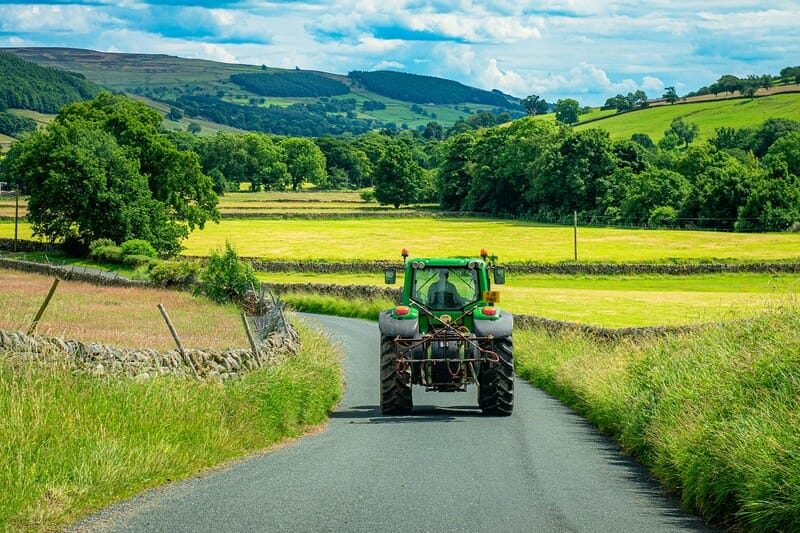
Most farms are nowhere near a motorway junction. The final stretch of any journey usually involves a road that seems to get narrower the further you go, a gate you briefly wonder whether you’re allowed to open, and a moment of doubt when the sat nav seems to be improvising.
It hasn’t. Keep going.
A farm is a working place, not a rural theme park. It’s the actual countryside, with all the noises, smells, and unpredictability that involves. Things will happen that aren’t on the itinerary, a tractor will appear from nowhere, a dog will materialise, and a stranger will greet you when you’re walking to the village shop.
Say good morning back.
What to expect on a farm stay – the real truth.
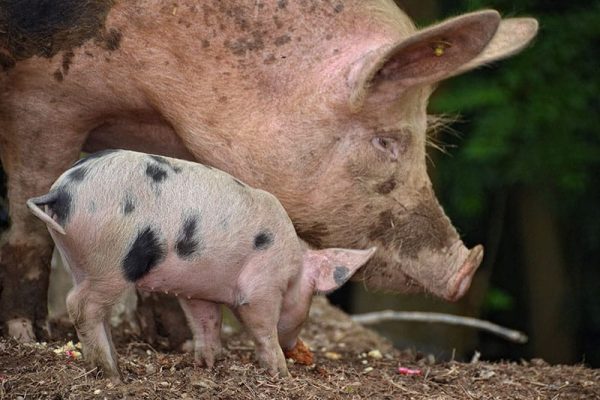
This is probably why you came, if you’re honest about it. Farm animals aren’t pets; they have jobs to do and a farmer who looks after them. but most of them are used to humans and happy enough to be observed at close range.
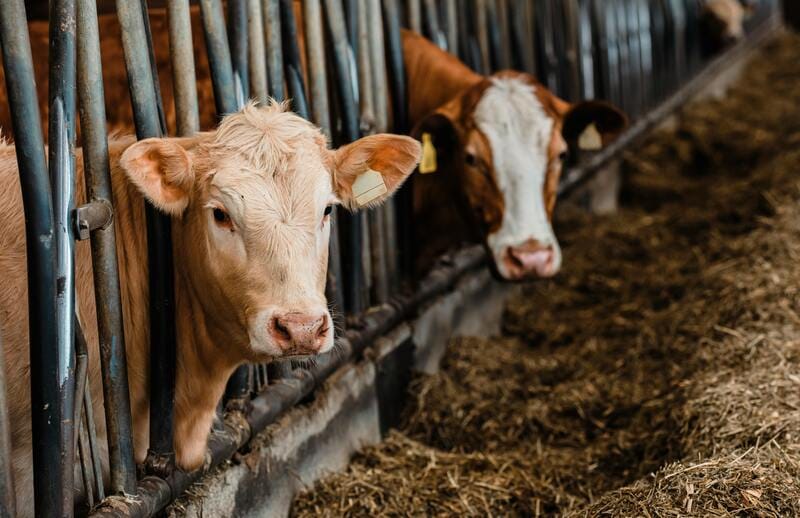
There are rules, though, and they matter. Keep dogs on leads, don’t feed anything without asking, close every gate behind you, even if it looks like it should be open, and always wash your hands after contact with animals, properly, with soap and water – hand gel won’t cut it on a farm. (Remember we said you needed to pack soap?)
Discover the animals you might meet on a farm.
If your accommodation has an Aga, you’re either delighted or quietly terrified, or possibly both. An Aga is not like a normal cooker. It’s always on, it has no dial that goes from 1 to 9, and it seems to run entirely on vibes and cast iron.
The good news is that once you understand how it works, it’s one of the most satisfying cooking experiences going. Slow roasts and casseroles, hearty English fry-ups, and if you’re brave, beautifully crusty bread, the Aga rewards patience, which is, after all, what you came to the countryside for.
You’ve got a fireplace, a basket of logs, some kindling, a box of matches and the quiet confidence of someone who once successfully lit a barbecue first time.
You’ll be fine
Open fires are one of those things that are slightly easier than they look once you know the method, and significantly harder than they look when you don’t. The most common mistake is piling on too much wood too soon, which smothers the fire before it’s had a chance to establish itself. Restraint, patience, and airflow are what you need, not more newspaper.
This is the one where city drivers can be severely tested. British country lanes were built in the era of horses and have not been significantly improved since. They are narrow, they have no markings, and there is almost always someone coming the other way at the worst possible moment.
The etiquette is straightforward. Passing places exist for a reason, reversing is not a defeat, and the person driving the tractor has absolutely no way of going faster, so the sooner you make peace with that the better.
It’s possible, with some planning, but not always easy. Most farms are rural enough that a car makes life considerably simpler, but if you’ve arrived without one, or want to leave it parked for a few days, there are usually options.
Britain has an extraordinary network of public footpaths, bridleways, and rights of way that cuts across private land including farmland. You are allowed to walk them without needing to ask permission. You just need to know where they are, what the waymarkers mean, and what to do when a path is blocked by an enthusiastic cow.
One of the quiet joys of the countryside, and entirely legal on public land within reason is foraging. A farm stay puts you in exactly the right setting to find things in hedgerows, woodland edges, and field margins. The golden rule is don’t eat anything unless you’re absolutely certain what it is.
The British countryside is full of wildlife that city dwellers simply don’t encounter like barn owls, roe deer, hares, hedgehogs, and bats at dusk. A farm stay puts you right in the middle of the habitat that most of this wildlife calls home.
Where to look for wildlife on a farm without venturing very far.
Not slightly dim. Not dimmer-than-usual dark. Properly, completely, can’t-see-your-hand dark. Rural darkness is something city dwellers genuinely aren’t prepared for, and it’s worth knowing before you try to walk back from the pub at 11 pm without a torch.
It’s also, once your eyes adjust, genuinely beautiful. There will be more stars than you’ve ever seen in one place, so make the most of it and enjoy the experience.
And then, periodically, not quiet at all. The countryside has its own soundtrack of owls, foxes (alarming), cockerels (also alarming, specifically at 5am), the distant sound of farm machinery, and church bells. None of it is the ambient noise of traffic and voices you’re used to, which means it can feel loud even when it’s technically quiet.
Most people sleep better on a farm stay than they have in months. Give it a night or two.
It will probably be fine. But have a plan for the moments when it isn’t.
How to have a screen-free farm stay and kick your doomscrolling habit for good.
One of the best things about a farm stay is how easy it is to eat well. With farm shops, local butchers, markets, and eggs from the farm itself, the infrastructure for genuinely good food is all around you, if you know where to look.
How to eat well on a British rural holiday.
If any of this sounds like your kind of holiday, or your children’s kind of holiday, which amounts to the same thing. take a look at what’s on offer. There’s a farm stay for every taste, budget, and level of rural confidence.
Browse all our British farm stays.
Or if you’re still deciding, take a look at our guide to find out whether a farm stay or more traditional rural holiday cottage is right for you.