Foraging is a rewarding way to connect with nature while enjoying the wild larder of the countryside. From hedgerows and woodlands to coastal shores, a rich variety of edible plants, fruits, nuts, fungi, and seaweeds can be found across the British Isles.
In recent years, foraging has seen a resurgence, with more people embracing sustainable, seasonal, and locally sourced foods. However, it’s important to forage responsibly to protect the environment and ensure these natural resources are preserved for wildlife and future generations.
What can you forage in Britain?
The sheer variety of plants and fungi found across the British countryside can be overwhelming for novice foragers. Many species change in appearance with the seasons or depending on their growing conditions, and some edible wild foods have toxic lookalikes that can be difficult to distinguish, especially to the untrained eye.
Start by learning to confidently identify a few of the more common and popular edible plants.
Wild berries: blackberries, elderberries, and wild raspberries are abundant in hedgerows from late summer to autumn, and are perfect for jams, pies, or simply eaten fresh.
Nuts: hazelnuts and sweet chestnuts are two of the most foraged nuts in Britain. Hazelnuts ripen in late summer, while chestnuts are best gathered in autumn.
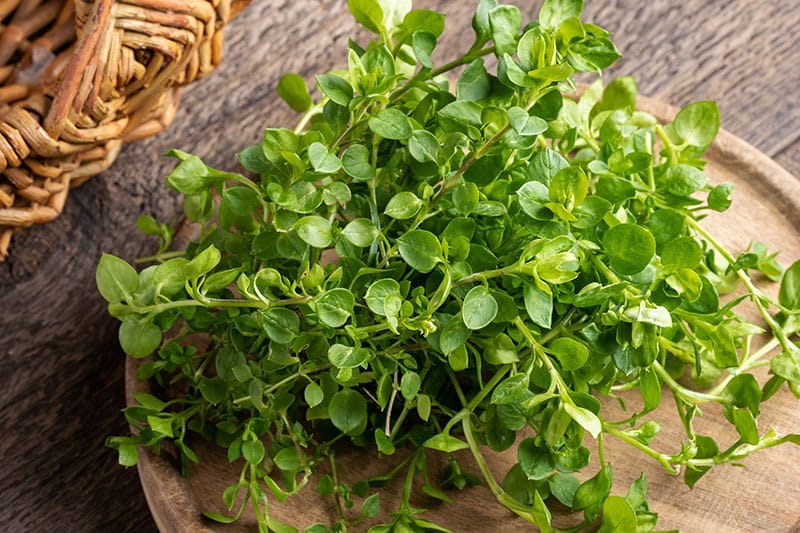
Edible plants and greens: foragers can find wild garlic, nettles, and dandelions in spring, which add fresh, earthy flavours to soups, salads, and sauces. Wild herbs like sorrel and borage are also a treat for the adventurous cook.
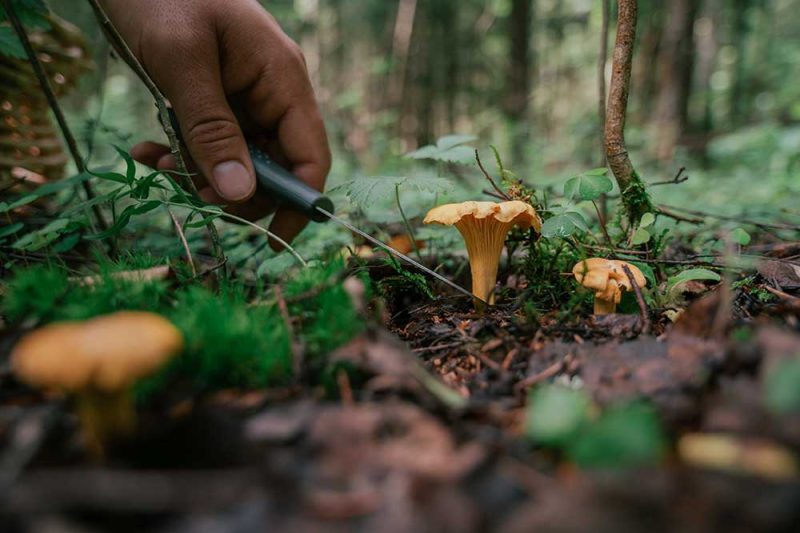
Mushrooms: autumn is the best time for mushroom foraging, with species such as chanterelles, porcini, and puffballs appearing in woodlands. However, identification is essential, as many edible mushrooms have toxic lookalikes.
Seaweeds: if you’re staying near the coast, you’ll find edible seaweeds like dulse, bladderwrack, and sea lettuce. Rich in nutrients, seaweed can be harvested sustainably and used in soups, salads, or as a seasoning.
Equally important is familiarising yourself with some of the most dangerous species, such as foxglove, hemlock, death cap, and destroying angel, to ensure you forage safely and responsibly.
The benefits of foraging
Foraging is a practical and rewarding way to engage with nature, and unlike shop-bought produce, wild foods are often fresher, more nutrient-rich, and entirely free. It also improves your understanding of seasonal changes and local biodiversity, encouraging a more thoughtful relationship with the environment.
Builds practical knowledge and confidence: learning to identify edible plants helps develop practical skills in botany, ecology, and even basic cooking and preservation techniques. Over time, foraging builds self-reliance and confidence in navigating natural spaces.
Strengthens local food connections: foraging reconnects people with their local environment and traditional food sources, fostering a greater appreciation for regional landscapes and the seasonal calendar.
Encourages physical activity: foraging often involves walking, climbing, bending, and stretching – gentle but sustained physical activities that contribute to overall wellbeing.
Supports mental health: spending time outdoors, focused on a specific task like identifying plants or spotting fungi, can reduce stress and anxiety. It promotes mindfulness and offers a break from screens and daily pressures.
Offers educational opportunities: foraging is an excellent way for children and adults alike to learn about ecology, conservation, and the role of plants and fungi in natural systems. It’s also a great way to pass on traditional knowledge or explore cultural food practices.
Fosters community and sharing: foraging can be a social activity, whether joining a guided walk, sharing a recipe, or swapping tips with others. It brings people together around food and nature.
Foraging safely and resopnsibly
While foraging is an exciting and fulfilling activity, it’s important to forage responsibly to protect both yourself and the environment.
Know what you’re picking: misidentification can be dangerous, particularly with fungi and certain plants. Invest in a good foraging guide or join an organised foraging walk with experts to improve your knowledge.
Forage sustainably: take only what you need, and avoid over-harvesting in any one area. Always leave plenty for wildlife, as many species depend on the same natural food sources.
Follow the law: in the UK, you’re allowed to forage for personal use on public land and certain private areas with permission. However, some plants are protected, and foraging in Sites of Special Scientific Interest (SSSIs), Areas of Special Scientific Interest (ASSI) must never be done without permission.

Respect the environment: take care not to disturb natural habitats, and avoid causing damage to plants or ecosystems while foraging. It is illegal to uproot plants without consent under the Wildlife and Countryside Act 1981 and the Wildlife (Northern Ireland) Order 1985 and Theft Act 1968. Always leave the area as you found it; take any rubbish home with you and tread lightly on the land.
Choose your foraging spots wisely: avoid areas that may be polluted, such as roadsides, industrial sites, or places where agricultural chemicals may have been used. Be especially cautious when foraging along public footpaths, as these areas may be contaminated by dog waste or other hazards.
A farm holiday offers a fantastic opportunity to try your hand at foraging. Before you go, it’s worth doing some research by getting hold of a reliable field guide or exploring online resources to help you identify common wild foods. Ask the owner of your holiday cottage to point you towards good foraging spots and let you know what’s in season, or they may be able to put you in touch with local experts offering guided foraging walks.
After your outing, you can enjoy the fruits of your labour by turning your finds into a delicious meal back at your holiday home.