A self-catering holiday on a farm is a wonderful way to experience rural life first-hand, explore some of Britain’s most beautiful landscapes, and enjoy fresh, seasonal produce. But if you’re used to the convenience of urban living, the idea of swapping it for a couple of weeks in the countryside may feel a little daunting.
To help set your mind at rest, we’ve put together answers to some of the most common questions about farm stays, so you know exactly what to expect.
One of the biggest concerns about staying on a farm is whether it will smell, particularly in summer, when it’s peak holiday season.
The short answer is sometimes.
If you’re used to the air in a town or city, the countryside will smell noticeably different. With lower levels of background pollution which can desensitise your smell receptors, your sense of smell may be more acute, making individual scents easier to detect. Urban environments are also full of competing odours such as rubbish, brake dust, diesel fumes, food, and general grime, which can dull your ability to pick out specific smells. This means rural scents can feel more pronounced at first, whether you’re staying on a farm or simply visiting the countryside.
That said, most farms don’t smell unpleasant at all, even those with livestock. In fact, many people find them far more pleasant than towns and cities once they’ve adjusted.
The strongest smells on a farm usually come from areas such as animal barns, processing facilities, or slurry pits. However, holiday cottages are usually situated well away from these, so guests are unlikely to be affected.
Muck spreading, that is carried out on arable farms in spring and again in summer after harvest, can also produce strong odours, but farmers are encouraged to follow DEFRA guidance to help minimise how far smells travel and avoiding spreading at weekends, bank holidays, in the evenings, or in fields close to homes unless the manure has been properly composted, which significantly reduces its odour. If you happen to be staying on a farm during muck spreading, the strongest smells generally only last a few hours.
After a couple of days of being on a farm, most people adjust and begin to appreciate the clean air of the countryside, and the scents of freshly cut hay, wood smoke, or petrichor, the earthy smell after rain on dry soil.
One of the joys of a farm holiday is spending plenty of time outdoors, and with that comes the likelihood of getting a bit dirty. Even a simple walk in the countryside can leave you dusty in summer or muddy after rain, with traces ending up on your clothes or skin.
If you get involved in farm activities, such as collecting eggs, feeding lambs, or grooming horses, you should expect a little more mess, from animal hair, straw, mud, or manure. It’s all part of the experience, so it’s worth bringing a set of clothes you don’t mind getting mucky, along with a good pair of wellies.
Be sure to wash your hands thoroughly with liquid soap and warm running water after any contact with animals. Hand gels or wipes aren’t a suitable substitute, as they may not be effective against all the types of germs you can be exposed to on a farm.
If you’re used to a typical 9 to 5 routine, the working hours on some farms can come as a surprise. On a dairy farm, for instance, it’s not unusual for milking to begin as early as 4 am, allowing time to manage the herd and prepare the milk for collection before the next session 12 hours later.
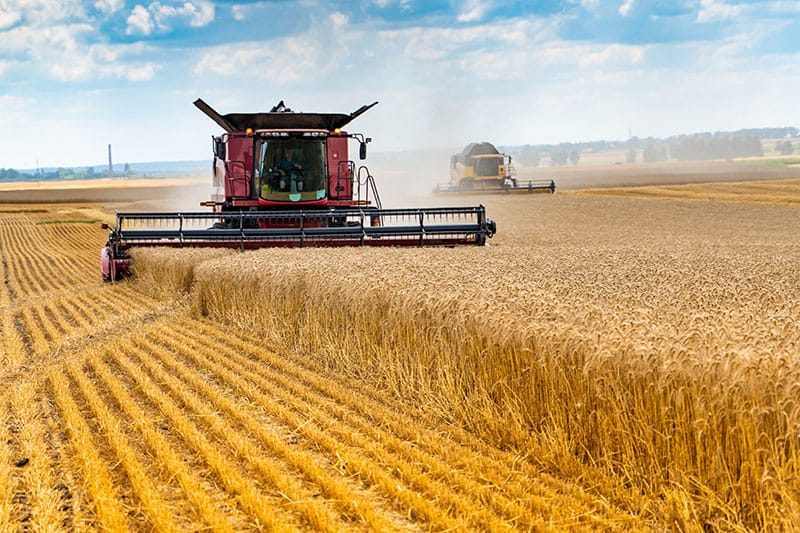
Spring is also a busy time, with livestock giving birth throughout the day and night, so someone needs to be up early to check everything is progressing safely. And during harvest, farmers may work into the night or start in the early hours, due to tight time pressures or high moisture levels during the day.
However, staying on a farm doesn’t mean you have to keep the same hours, unless you want to. If you’re keen to watch milking, for example, you can usually join an afternoon session instead.
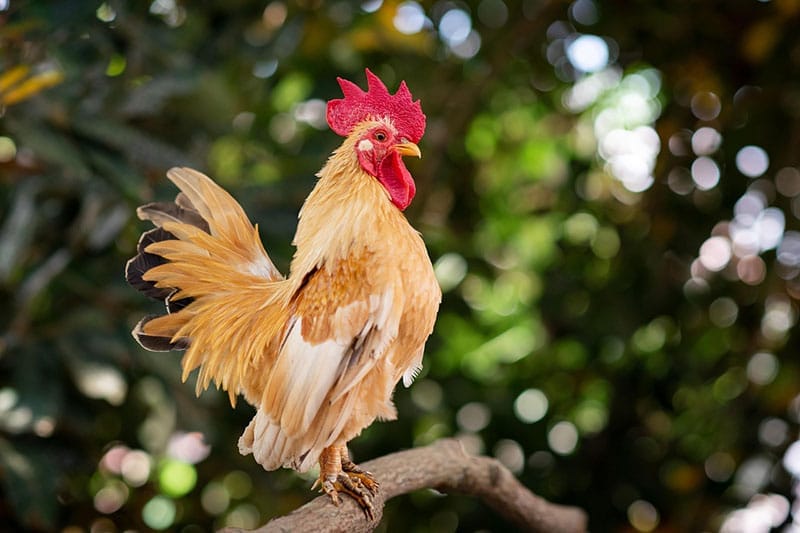
It’s worth being aware, however, that early morning sounds are part of farm life. You might hear a cockerel crowing at the crack of dawn, sheep bleating in nearby fields, tractors starting up, or the chorus of birdsong outside your window.
Our advice is to embrace it, especially in summer when the early morning light is particularly beautiful. Waking with natural light can help you feel more alert, as it reduces melatonin and stimulates cortisol, helping your body ease into the day. Even in winter, when mornings are darker, the stillness of the countryside can feel magical, and there’s something especially comforting about a hot cup of coffee before the day begins.
If you’re more of a night owl than an early riser, though, a good pair of earplugs and an eye mask should help you enjoy an uninterrupted night’s sleep.
In recent years, broadband coverage in rural Britain has improved significantly, with many areas now catching up to urban speeds thanks to the rollout of full-fibre networks. However, a small proportion of rural households still experience slower connections, sometimes below 10 Mbps.
If you’re staying on a farm, there’s a good chance WiFi will be available, but if your accommodation is more remote, such as a shepherd’s hut or a glamping site set away from the main farmhouse, WiFi may be limited, although mobile 4G coverage is usually still accessible.
A farm stay can also be a great opportunity to switch off and reduce screen time. Spending too much time on devices can have a negative impact on wellbeing, particularly for children, so consider using your stay as a chance to disconnect and focus on more meaningful time with family and friends. Take a look at our guide for tips on enjoying a screen-free farm holiday.