One of the smartest ways to save money on your next holiday is by choosing a more affordable destination. Popular hotspots such as Cornwall, the Lake District, and the Cotswolds get booked up quickly, driving up prices during the peak seasons. Once you arrive, the influx of tourists often means higher costs for eating out and visiting local attractions too.
Opting for a less well-known destination not only helps you secure lower accommodation prices but also allows you to enjoy fewer crowds and better-value local experiences. If you’re planning a farm stay, you don’t have to sacrifice the things that matter the most like long countryside walks, helping with animals, wildlife watching, cosy village pubs, or the chance to properly switch off from everyday life, simply by choosing a more affordable region.
Counties such as Lancashire, County Durham, Suffolk, and Lincolnshire offer beautiful scenery, excellent beaches, and plenty to see and do, meaning you can stay within your budget without compromising on the overall experience.
Travelling with extended family or friends is one of the most effective ways to cut holiday costs. Self-catering accommodation often becomes cheaper per person as group size increases, while fixed expenses, such as transport, parking, internet access, or extras like logs for a wood burner or hot tub, can be shared, reducing individual costs.
Staying as part of a larger group can also reduce the temptation to eat out for every meal, which is often one of the biggest holiday expenses, as cooking nights can be shared or rotated so no one feels like it’s a chore. Preparing meals together can become part of the fun too, whether everyone lends a hand or simply relaxes with a drink while the designated chef takes charge.
Larger groups may also benefit from discounted rates on tours and attractions, the ability to bulk-buy holiday essentials such as sunscreen and toiletries, and taking turns with childcare responsibilities, helping to avoid the added cost of babysitting services.
If sharing a single house feels daunting, a farm stay could be the perfect solution. Many offer multiple properties on the same farm, allowing you to stay close to one another while still enjoying your own space and privacy.
Early glamping was largely centred around romantic treehouses, fairy lights, hot tubs, and Instagrammable weekend breaks, which led to it becoming associated with boutique price tags. As a result, many people overlook what is actually one of the most flexible and cost-effective ways to holiday in the UK.
Glamping is no longer aimed solely at young couples. The market has shifted significantly towards families, multi-generational groups, and accessibility-focused travel. Many sites now offer safari tents with multiple bedrooms, spacious bell tents and yurts, or clusters of shepherd’s huts and pods with shared facilities such as shower blocks and outdoor kitchens, all of which can make glamping a surprisingly affordable option.
That said, it’s easy to spend more than planned without a little preparation. Although glamping promotes a back-to-basics experience, many sites generate extra income through add-ons such as firewood bundles, breakfast or barbecue hampers, blanket hire, and fire pit packs. Bringing a few essentials with you can help keep costs down. Pack a cool bag so you can buy food off site and safely store it, bring your own logs or coal, and don’t forget entertainment like board games or playing cards for rainy days. Adding small touches such as solar lanterns, marshmallows, and hot water bottles means you can still enjoy a cosy night under the stars without the extra expense.
Shopping locally and seasonally is one of the most overlooked ways to save money on holiday, and it can also become part of the experience itself. Exploring local markets and farm shops often comes with free tastings, seasonal events, and opportunities to discover how regional food is made. At some farm stays, you might be able to buy produce directly from the farm, or even pick it yourself, which adds to the fun and keeps costs down.
The key is to shop like a local. Farm shops may have a reputation for high prices, but choosing the right products makes all the difference. Focus on seasonal fruit and vegetables, bread, pies, and cakes baked on site, fresh eggs, home-reared meats, and regional specialities. Skip packaged snacks, imported goods, and heavily branded “artisan” items, which are often priced for day-trippers rather than everyday shoppers.
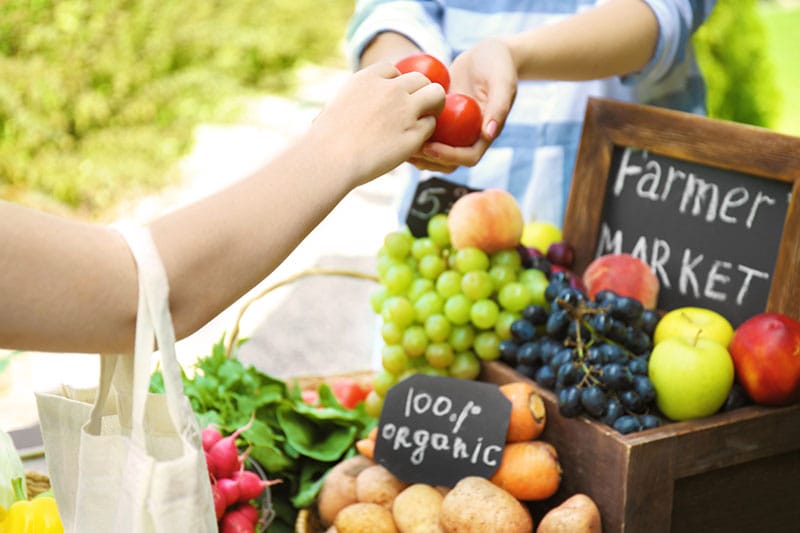
The owner of your farm stay can usually recommend the best markets nearby, and visiting towards the end of the day may mean discounts as traders reduce prices to clear remaining stock.
Location also plays a role in what offers the best value. Coastal areas often have affordable fresh fish, rural regions with dairy farms excel in milk, cheese, and treats such as ice cream, while places with orchards provide plentiful seasonal fruit and juices. Instead of planning meals in advance, see what’s abundant or discounted when you arrive and build your meals around what’s available.
It’s often assumed that a car is essential for getting around the countryside, but with a little planning, it’s entirely possible to leave the car at home, saving money on fuel, parking, and hire costs.
Although farms may look isolated on a map, rural areas are crisscrossed with public footpaths, permissive paths across fields, and bridleways that link villages and local attractions, meaning walking or cycling can sometimes be quicker than driving. Many cottage owners provide OS maps, so take some time to study them before setting out. Plus, walking to a village pub means everyone can enjoy a drink without worrying about driving back.
With quiet lanes and traffic-free trails, farm locations are ideal for cycling, even for less confident riders or young children. Some farms loan bikes for a small fee, and most offer secure storage if you bring your own. Turn the journey into an adventure by stopping for a picnic at a nearby beauty spot.
Rural bus networks have improved significantly in recent years, connecting villages to market towns, castles, beaches, and country parks. They don’t run as frequently as urban services, so some planning is needed, but your farm stay owner should be able to help, or pop into the local tourist information centre where you can pick up a timetable.
For longer trips, consider coach excursions. Many rural villages organise day trips to heritage sites, gardens, or coastal resorts, often at a fraction of the cost of larger nationwide companies. You’ll also save on petrol, avoid tolls, and enjoy free parking, and bringing a packed lunch will help keep costs down.
Centring your holiday on the outdoors is a fantastic way to save money – after all, nature is free! Staying on a farm means that the natural surroundings are the main attraction, with easy access to forests and woodlands, lakes, rivers, and waterfalls, coastal paths and beaches, and miles of open countryside to explore.
Nature-based activities such as birdwatching, wildlife spotting, walking, hiking, cycling, open-water swimming, and stargazing require little equipment and cost very little, while for urban dwellers, learning to identify flowers, trees, butterflies, and other wildlife can be a rewarding challenge in itself.
There are plenty of ways to keep children entertained too. Little ones may enjoy scavenger hunts, den building, or bark rubbing, while older children can practise photography or art skills, try geocaching, or learn how to forage safely.
For something more organised, consider visiting a local nature reserve. Many are free to enter or ask for only a small donation, and they often offer family-friendly activities such as guided walks, activity trails, craft sessions, and wildlife workshops.
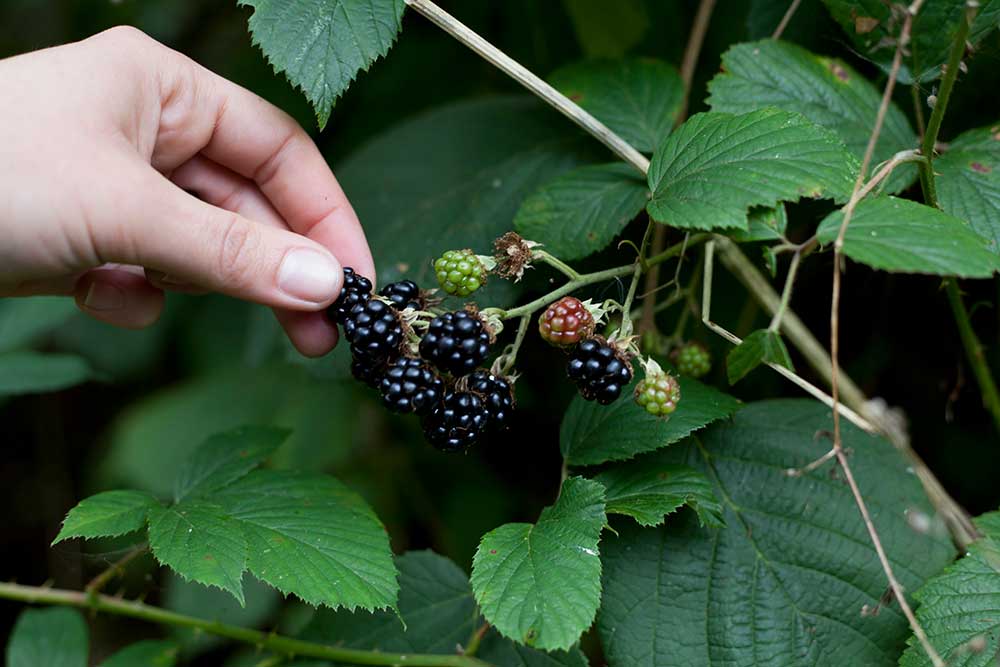
You could also include seasonal experiences to make the most of the outdoors, such as pond dipping in spring, berry picking in summer, or mushroom foraging in autumn.
Staying local during a farm holiday is one of the most affordable and authentic ways to enjoy your trip. By focusing on nearby events, attractions, and activities, you can avoid high travel costs while immersing yourself in the unique local culture.
Rural towns and villages often host community-run events that are inexpensive or even free, such as summer fairs and fetes, dog shows, outdoor theatre, food festivals, and Christmas markets. Many of these events are not widely advertised, so it’s worth asking your farm stay host, checking parish council websites, or keeping an eye on village noticeboards. County shows are another option, although tickets for the largest can sometimes be as costly as major tourist attractions.
Rural museums, small railway or local transport museums, and heritage or craft centres are often far cheaper than national attractions. Just be sure to check opening times, as many have limited hours.
Farms themselves may host open days, offering visitors a chance to see lambing season, cows being milked, sheepdog demonstrations, or pumpkin picking, with opportunities for children to pet the animals. Smaller farms are ideal for these activities, as larger farms can get busy and tickets may be more expensive. Visiting a smaller farm also allows for a more hands-on experience, with the farmer available to answer questions.
Finally, don’t hesitate to ask your farm host, the local shop owner, or the village pub landlord about hidden gems nearby. You might discover a secret bluebell wood, an interesting historic church, or an off-the-beaten-track walk that offers a truly memorable experience.