Christmas in the countryside sounds idyllic with roaring fires, frosty morning walks, and a village pub just a short stroll away. One of the best ways to experience the countryside over the festive season is to stay on a working farm. Unlike many rural businesses, farms don’t shut down for winter, even on Christmas Day, so there should always be plenty going on and people on hand if you need them.
But not all farm stays are created equal. A property that looks delightful in summer can offer very different qualities in the depths of winter. So, before booking your dream Christmas break, take some time to think carefully about what will make the holiday work for everyone in your party.
Before you book, start with the practicalities and make a firm list of everyone who’ll be joining you. Booking a few months in advance can help you confirm numbers and make sure your nearest and dearest can all be there for the full holiday, rather than just for the Big Day itself.
Once you know who’s coming, you can start looking for a holiday cottage that works for the whole party. Farm stays sleeping four to six people are the most common, so if it’s just you and your immediate family, you shouldn’t struggle to find somewhere suitable. However, if you’re travelling as a multi-generational family, with another family, or as a group of friends, you’ll need to make sure there are enough bedrooms, bathrooms, and living spaces for everyone to feel comfortable. Grandparents may appreciate a ground floor bedroom and bathroom, while families with young children might prefer bedrooms to be close together.
Think about the sleeping arrangements, too. At British Farm Stays, we make it easy to check the room configuration, including which double beds can be made up as twin beds and vice versa. The last thing you want is to arrive at your cottage and discover that being happy to share a room also means sharing a bed!
If it’s just the two of you, a cosy farm cottage can be the perfect choice. But there are plenty of other options, from stylish glamping pods and cute shepherd’s huts to quirky and unique stays that can make your Christmas truly memorable.

It’s also worth checking accessibility rather than simply relying on a property being described as accessible. Older buildings weren’t built to modern standards, so look carefully at entrances, steps, door widths, bathroom facilities, and parking, as well as whether there are bedrooms and living spaces on the ground floor. A beautiful Tudor farmhouse is no good if someone in your party can’t comfortably get around it.
It’s easy to choose a Christmas destination based on places you already love in the summer. Cornwall, for example, might be a favourite for its sunshine, beaches, surfing and seafood, while the Lake District or the Scottish Highlands may be regular choices for those who love hill-walking and other outdoor activities. But ask yourself whether you actually need those things in December.
At Christmas, you’re unlikely to be spending long days on the beach, sitting outside a café, or making the most of the local attractions. If your ideal festive break is about winter walks, cosy pubs, a village pantomime, a Christmas market, and plenty of time relaxing at the cottage, there’s no reason to pay a premium to stay somewhere that is particularly popular with summer visitors.
Even in winter, the most desirable properties in fashionable locations get booked up well in advance, so look for somewhere just as picturesque, but with more choice and better value. Shropshire, Lincolnshire, Northumberland, and Gwynedd, for example, all have plenty to offer for a traditional countryside Christmas, meaning you get more for your money, while still having everything you need for a memorable festive break.
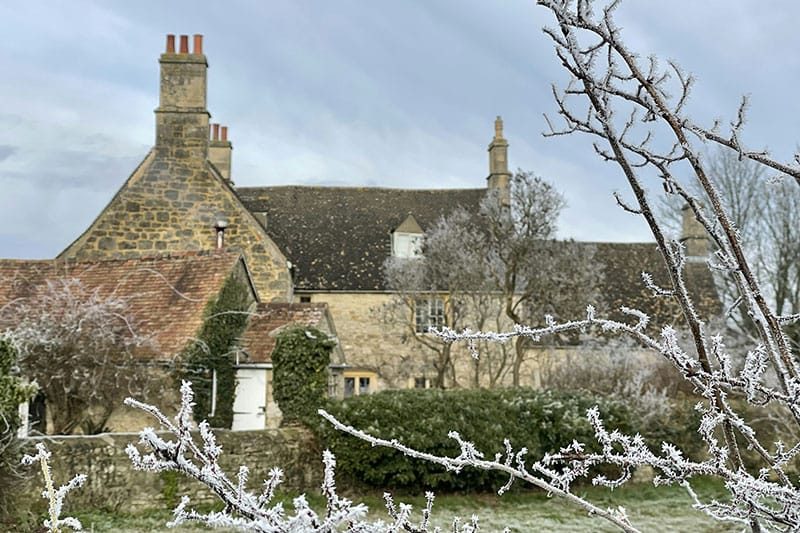
Think about the age and character of the property. A centuries-old farmhouse with oak beams, flagstone floors, and an inglenook fireplace may look atmospheric in photographs, but these original features aren’t always practical for families with young children or older members of the group.
Hard, uneven floors can be unforgiving, rugs can become trip hazards, a winding staircase may make fitting stairgates difficult or impossible, and open fires and AGAs require extra vigilance. Older houses can be harder to keep warm, too, and when a biting winter wind sets in, draughts and chilly bedrooms can quickly take the shine off a cosy Christmas stay.
A good compromise is a contemporary barn conversion. You can still enjoy plenty of period character and historic details, such as vaulted ceilings, exposed stonework, and original haylofts, while benefiting from the modern comforts you’re used to. They can also be considerably warmer, more energy efficient, and easier to live in during the colder months.
If you’re planning to cook Christmas dinner yourselves, the kitchen deserves more attention than it might normally get when choosing a holiday cottage.
Make sure there’s a full-sized oven large enough for a turkey or other joint of meat, enough hobs to cook the vegetables and make the gravy, a microwave for reheating sauces and sides, and a large fridge and freezer for storing all that cheese. You’ll also want plenty of worktop space, or a kitchen table big enough to give you room to prepare a feast. And, of course, a dishwasher is a very welcome addition so you don’t feel like you spend the whole of Christmas washing up.
It might sound obvious, but discovering on Christmas Eve that the “well-equipped kitchen” actually has a tiny oven and a single saucepan could put a serious dampener on the festivities.
Check that the dining table can accommodate everyone comfortably, with enough chairs and space to eat without feeling cramped. Open-plan living spaces are popular in holiday cottages because they allow everyone to spend time together, but at Christmas you might prefer a property with a separate, more formal dining room. Having somewhere to sit down for Christmas dinner away from the inevitable kitchen chaos can make the meal feel that bit more special.
During winter, and particularly over Christmas, you’re likely to spend much more time in your holiday cottage than you would in summer, so think about what the property has to offer when everyone is indoors.
A games room with a pool table, table football, and plenty of board games can be a real bonus, particularly for larger families with children. Some properties go even further, with games consoles, karaoke machines, and musical instruments. Check what entertainment is provided before you arrive, too. If you’re bringing your favourite Christmas films or a carefully curated festive playlist, make sure there’s a DVD player, smart TV, or Bluetooth speaker to play them on.
More and more farm stays now offer hot tubs and saunas and, while they’re appealing at any time of year, they can feel like a real treat at Christmas. Imagine sinking into warm bubbles with a glass of fizz and a toasted turkey sandwich, gazing up at the stars on a clear winter’s night. A sauna is another welcome addition after a brisk countryside walk, helping you warm up and soothe tired muscles.
Some hosts can also arrange extra touches to make your stay feel even more special, from luxury hampers and celebration cakes to produce from the farm, private catering, and on-site beauty or massage treatments. Ask what’s available when you book.
And don’t forget the importance of quiet time. Christmas can be wonderful, but it can also feel overwhelming when you’re surrounded by family and friends for several days. Having somewhere to escape to like a small study, cosy reading nook, or heated garden room, gives anyone who needs a few moments of peace somewhere to recharge.
The appeal of a remote farm at Christmas is easy to understand. Peace, privacy, and the feeling of truly getting away from it all can make for a very relaxing festive break. But consider how secluded you really want to be in the depths of winter.
If you live in a town or city, it’s easy to forget that not everything is on hand in the countryside. Rural pubs, cafés, village stores, and farm shops may have reduced opening hours or close altogether over Christmas, while icy lanes and poor weather can make driving more challenging.
The last thing you want over the festive period is to feel completely stuck, unable to find some much-needed paracetamol on Boxing Day or facing a houseful of frustrated children who have run out of things to do. If complete seclusion is what you’re after though, make sure you’re prepared to bring everything you might need with you and are happy spending most of your time at the cottage if bad weather sets in.
Alternatively, choose a farm stay within easy reach of a village or small town. That way, you’ll have the option of heading out for a meal, popping to the pub for a drink, or picking up any forgotten essentials. It’s the best of both worlds enjoying the peace and tranquillity of the countryside without being completely cut off from civilisation.
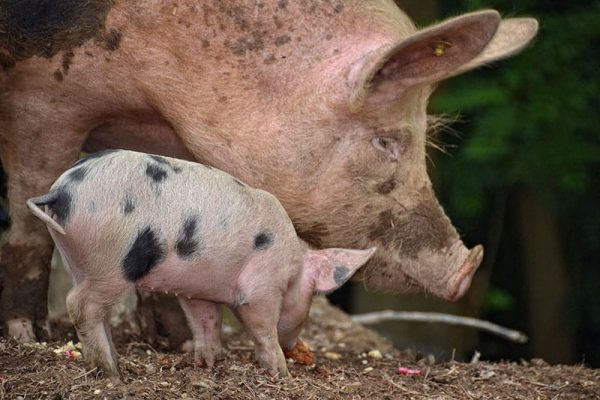
For children especially, staying on a working farm with animals can make a Christmas holiday feel much more special. Over the winter months, many farm animals spend more time indoors, but that doesn’t mean there won’t be opportunities to see them and get involved.

Before booking, find out whether guests can watch the cows being milked, collect fresh eggs from the hens, feed carrots to the ponies, or join animal experiences such as alpaca walks Even a quick morning trip to the barn can become a cherished Christmas moment children remember for years to come.
And check that the farm actually has animals. When children hear that they’re staying on a farm for Christmas, they’re likely to imagine cows, sheep, pigs, horses, and chickens. The last thing you want is to arrive and face a festive meltdown as you explain that the ‘farm’ is actually acres of bare fields used for growing crops!
Remember too that a working farm isn’t necessarily silent. There may be tractors, livestock, machinery, and early starts which is all part of the charm but good to be aware of when choosing somewhere to stay.
If you’re bringing the dog along for your festive adventure, make sure the property is actually suitable for them. Many farmers have dogs themselves, so they understand what pets need, but “dog-friendly” can mean different things at different properties, so check the details before you book.
If your dog insists on sleeping on your bed, for example, don’t choose a farm stay where dogs aren’t allowed upstairs or on the furniture. And if you have a small dog or an accomplished escape artist, find out exactly what “enclosed garden” means, and whether the fencing is high and secure enough to keep them safely contained.
It’s also worth thinking about how easy it will be to exercise your dog, particularly if the weather turns. Look for farms with public footpaths, bridleways, or other rights of way directly from the doorstep, so you can head out for a walk without having to get in the car. After all, a good countryside walk is as much a part of the Christmas experience for your four-legged family member as it is for you.
Some hosts will decorate their farm stay for Christmas with wreaths, trees, lights, and crackers, while others leave it to guests to create their own festive atmosphere. If you want to bring a tree with you or have one delivered, check that there’s enough space for it before ordering, and find out whether the host is happy for you to have a real tree.
Find out whether you can have groceries or Christmas presents delivered to the property, and, ideally, arrange for them to arrive after you do. If that isn’t possible, ask the host whether they can accept deliveries on your behalf or provide a safe place for parcels to be left. Make sure you have the correct address, too. Some rural properties use little more than the farm name and a postcode, so check that this will be sufficient for couriers and supermarket deliveries to find you.

A real open fire can be magical and is one of the great attractions of spending Christmas in the countryside, but you need to think about whether you actually want the work that comes with it. Logs need to be brought in, fires need tending, and smoke can be an issue for some guests. You might be surprised how many people are drawn to a farm stay because of its open fire, only to discover that they never actually light it. If a roaring fire is part of your Christmas dream, make sure you’re also happy with the practicalities that come with it.
It’s easy to picture a Christmas farm stay with a light dusting of snow, clear blue skies, and star-filled nights. And if you get that weather, wonderful. But a more realistic December forecast might involve gale-force winds, grey skies, thick fog, and days of persistent drizzle.
When choosing a farm stay, make sure the property is just as appealing in bad weather as it is in sunshine. Ask yourself whether you’d be happy spending a whole afternoon indoors. Is there somewhere cosy to sit, a good kitchen to cook in, and enough games, books, or other entertainment to keep everyone occupied?
It’s also worth considering how you’ll get to and from the property. Many farm stays are reached via narrow country lanes which can be challenging for some drivers even in good weather. In winter, they can become much more daunting, particularly in heavy rain, fog, ice, or strong winds.
If you’re not confident driving in the countryside check the access before you book and think about whether you’ll be comfortable making the journey in poor conditions. You need to be able to reach your cottage safely not only when you arrive and depart but also throughout your stay if you need to head out for supplies or to explore the surrounding area.
For those who drive an electric vehicle, look for a farm stay with an EV charger on site, particularly if you’re staying somewhere remote where public charging points may be few and far between.
Browse our collection of period farmhouses, stylish barn conversions, cosy cottages, contemporary lodges, and glamping accommodation set on working farms across the British Isles, and start planning your your magical Christmas holiday today.