Northumberland is one of England’s most unspoilt counties, with miles of rugged coastline, a breathtaking National Park, dozens of ancient castles and monuments, abundant wildlife, and some of the country’s finest dark skies.
All of this makes it an ideal destination for a romantic break, offering couples the chance to reconnect with nature, and each other, far from the hustle and bustle of everyday life.
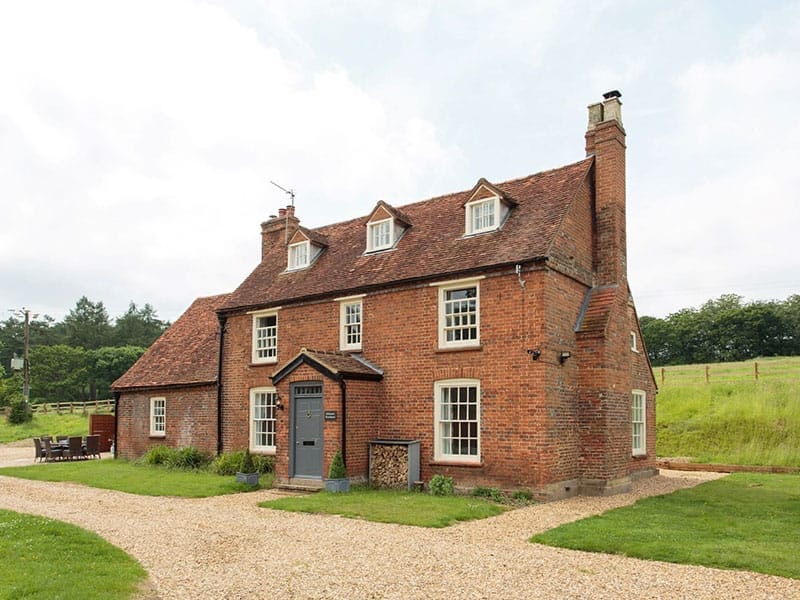
For the perfect place to get away from it all, consider a farm stay in Northumberland, where you can fully enjoy the peace and beauty of the countryside. For an added touch of luxury, look for properties with a hot tub, open fire, or even a swimming pool to make your escape truly special.
Adjacent to Alnwick Castle, famous as a filming location for the Harry Potter series, The Alnwick Garden is a contemporary garden created by the Duchess of Northumberland in 2003. Designed by Jacques and Peter Wirtz, it houses one of the largest collections of European plants in the British Isles.
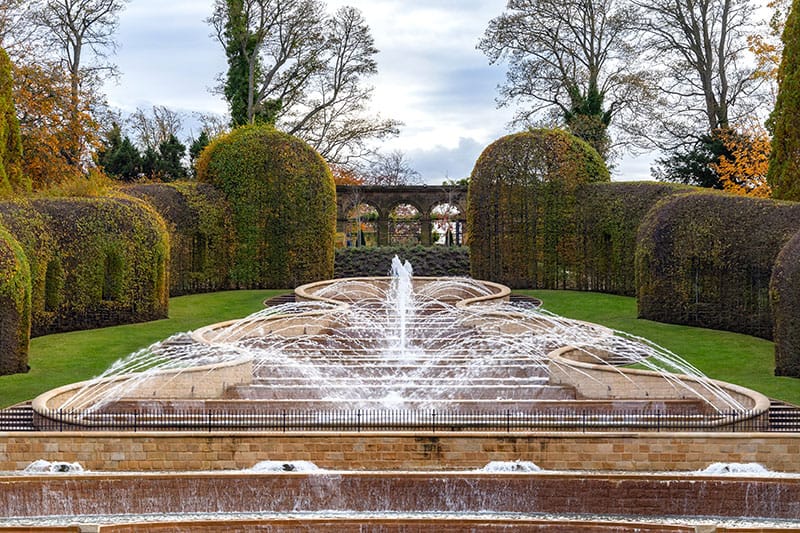
At its heart lies the spectacular Grand Cascade, a dramatic centrepiece of cascading water and perfectly choreographed fountains. The garden is also home to the world’s largest orchard of Japanese Taihaku cherry trees. In spring, visitors can relax in swinging seats beneath a canopy of white blossom, while autumn brings a wonderful display of copper-toned foliage.
Guided tours offer access to the Poison Garden, a fascinating and carefully controlled space hidden behind locked gates, where more than 100 toxic, intoxicating, and narcotic plants from around the world are cultivated. Elsewhere, the Serpent Garden features eight mirror-polished water sculptures set within the coils of a topiary serpent, each exploring the movement and character of water.
For a romantic dining experience, The Treehouse Restaurant is a magical setting, with handcrafted rustic furniture, twinkling lights, and a roaring log fire. The modern British menu celebrates seasonal, locally sourced ingredients, and includes cocktails inspired by the garden, among them the Poison Garden Gin.
The red squirrel is one of Britain’s most adorable native animals, instantly recognisable by its chestnut coat, tufted ears, and long, bushy tail. Sadly, due to habitat loss, disease, and competition for food from the non-native grey squirrel, its numbers have declined significantly in recent years. Today, red squirrels survive only in a few isolated areas, making any sighting a rare and memorable experience.
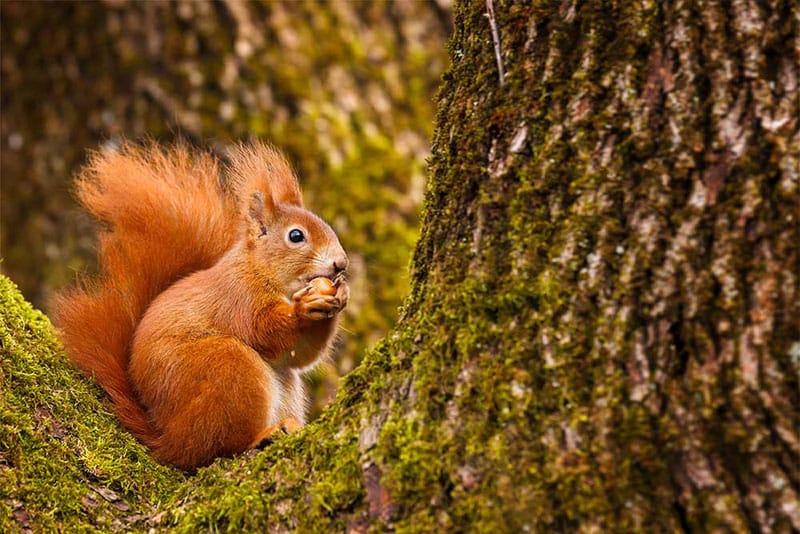
Kielder Forest is England’s largest stronghold for red squirrels, providing a vital sanctuary where they can thrive. While they are also found in broadleaf woodland, conifer forests such as Kielder offer a natural refuge, as grey squirrels struggle to establish themselves in this environment.
Red squirrels are active throughout the year, but sightings are most common in spring, summer, and autumn, particularly in the early morning or at dusk. Keep an eye out for pine cones stripped down to their cores, a telltale sign of their presence, and scan the treetops for your best chance of spotting one.
Accessible on foot only at low tide, Lindisfarne, also known as Holy Island, is a small tidal island off the coast of Northumberland that has served as a peaceful retreat for monks and hermits for centuries.
At its highest point stands a fairytale castle, originally a Tudor fort and later transformed into a swish holiday home in the early 20th century. Inside, the design plays with scale and perspective, pairing small rooms with oversized furnishings and contrasting low doorways with lofty ceilings. Outside, a beautiful garden designed by Gertrude Jekyll bursts into colour in summer with hardy coastal planting, while remaining a sheltered, leafy haven throughout the year.
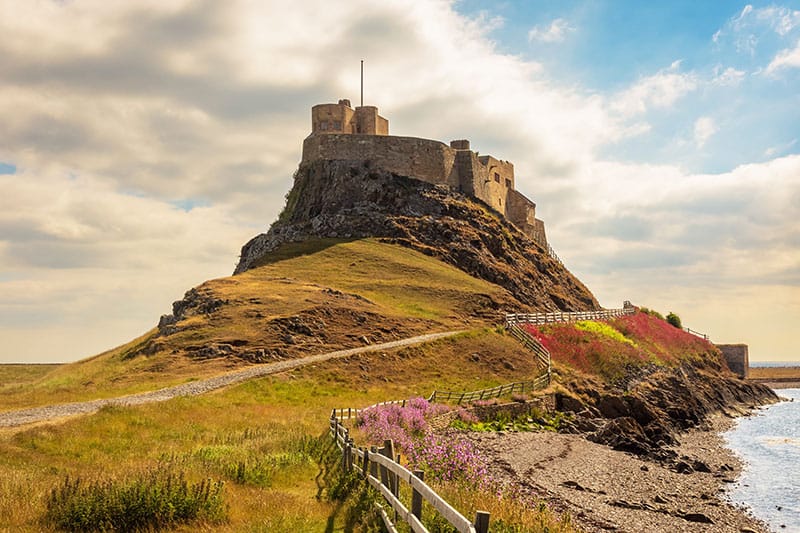
A walk around the castle headland is a must. Listen for the singing calls of seals or enjoy flying a kite in the coastal breeze. With jaw-dropping views back towards the castle and out across the sea to the Farne Islands and Bamburgh Castle, the headland is also an ideal spot for a romantic picnic, complete with grassy banks, deck chairs, and picnic tables.
The island is designated as a National Nature Reserve, covering around 3,500 hectares of dunes, saltmarsh, and mudflats. The dunes support a range of important plant species, including the endemic Lindisfarne helleborine, which provide vital food for moths and butterflies. In autumn and winter, the mudflats come alive with vast flocks of migrating birds, including the light-bellied brent geese, which travel from the Arctic to feed on the rich supply of marine life and vegetation.
Northumberland has some of the darkest skies in the country, and if you venture away from artificial light, there are countless spots where you can enjoy spectacular stargazing on a clear night.
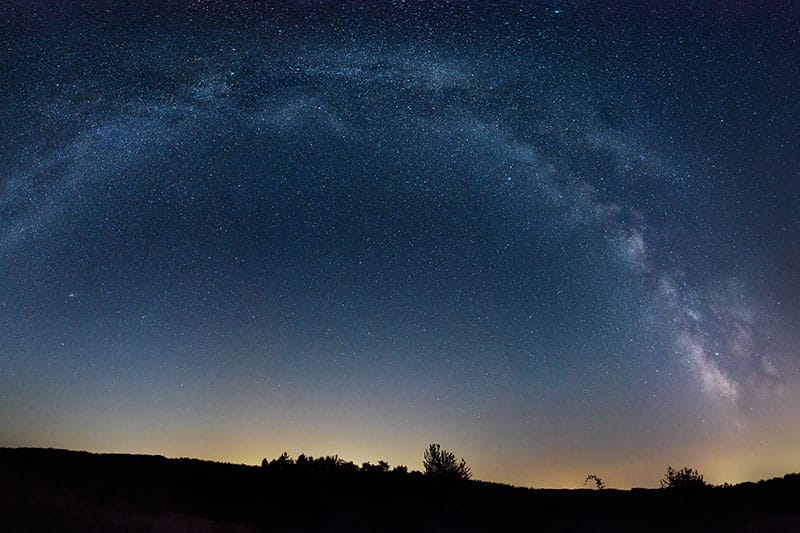
For front row seats, The Twice Brewed Inn, a popular country pub just a stone’s throw from Hadrian’s Wall, offers evenings under the stars in partnership with astronomers from the Kielder Observatory. Set within the protected Dark Sky Park, the venue benefits from exceptionally low light pollution, allowing you to see the Milky Way stretching across the sky and thousands more stars than are invisible from towns and cities.
The experience begins with an engaging astronomical presentation in the on-site planetarium, followed by a guided outdoor session. Using laser pointers and large-aperture telescopes, you’ll explore constellations and observe planets, galaxies, nebulae, and star clusters in incredible detail.
To round off the evening, guests can enjoy a two-course meal featuring classic home-cooked dishes made with seasonal, locally sourced ingredients. The inn also serves an excellent selection of its own award-winning ales and spirits, brewed on site.
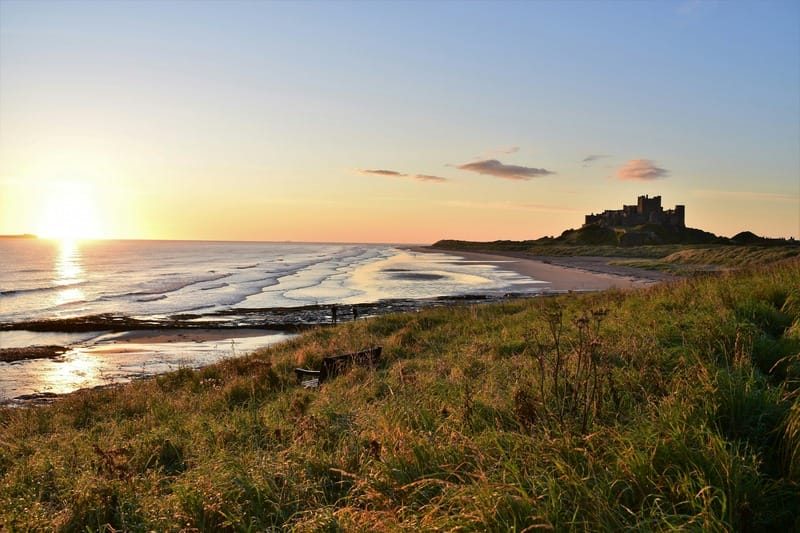
If you’re more of an early riser than a night owl, Northumberland’s east coast offers some of the most spectacular sunrise views in the country. Bamburgh Beach is among the finest, with its iconic Norman castle illuminated in soft shades of pink and orange as the sun rises over the sea.
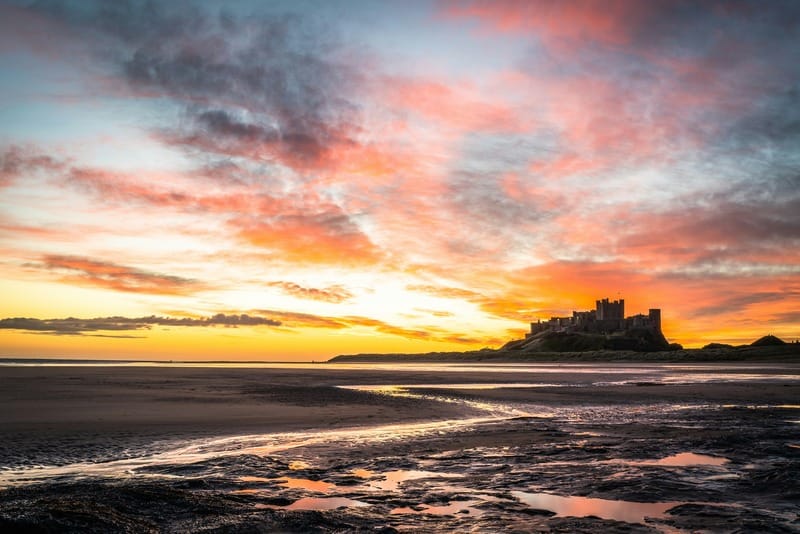
The beach itself is a vast stretch of pristine sand backed by rolling dunes, perfect for a bracing morning walk. Head north towards Stag Rocks, named after the white stag painted on them, where you’ll find rock pools and a small lighthouse, the northernmost land-based lighthouse on mainland England. The beach is dog-friendly all year round, so your four-legged companion can come along too.
If you’re visiting in summer, set your alarm early, as sunrise at the solstice is around 4:20 am. Bring along some breakfast, like singing hinnies, strong coffee, and perhaps a small nip of something warming, to make the most of the experience.