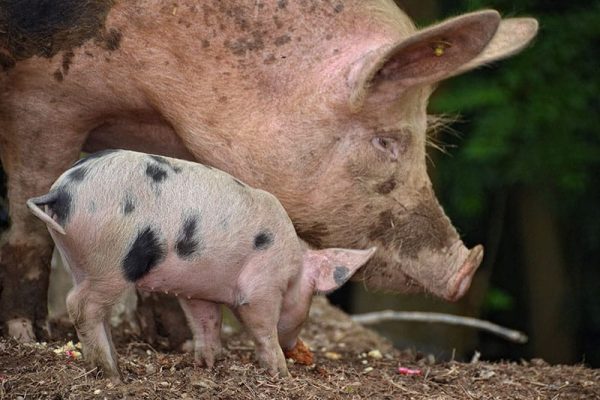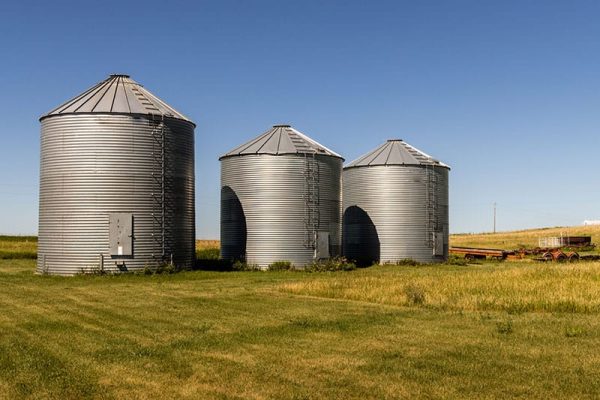
A holiday on a farm is great choice for nature lovers, with easy access to the rich mosaic of habitats that make up the British countryside and support a wide variety of wildlife. But you don’t even need to venture beyond the farm itself to encounter an abundance of flora and fauna.
In recent years, many farmers have begun working in partnership with conservation organisations to adopt regenerative practices that promote biodiversity. These include planting hedgerows and wildflower meadows, as well as providing supplementary food during the winter months.
Encouragingly, such efforts are already having a positive impact, with some populations of farmland birds showing signs of localised recovery.
Our guide will help you identify Britain’s farmland birds and show you where to spot them.
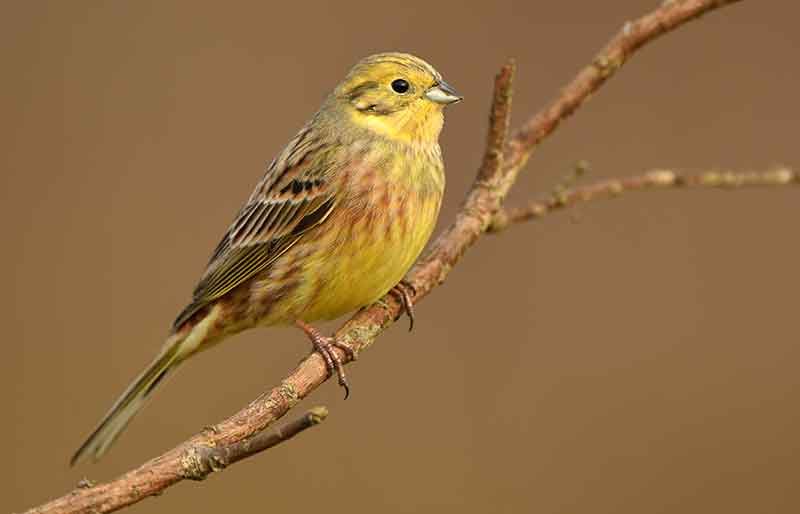
The yellowhammer is a farmland bird best known for its distinctive call, often described as sounding like “a little bit of bread and no cheeeeeese”. Adult males have brown upperparts with black streaks, and a rust-coloured rump. Their underparts are bright yellow, marked with an olive breast band and rusty tones along the flanks. The head is vivid yellow, with dark stripes across the crown, while the bill is bluish-grey and the eyes are deep brown. Females resemble the males but are generally duller in colour.
Yellowhammers favour mixed farmland with hedgerows and scrub, as well as winter stubble fields and farmyards with livestock. Their diet consists mainly of seeds, including groundsel, sorrel, and cereal grains. They are widespread across the UK, though less common in the north and west.
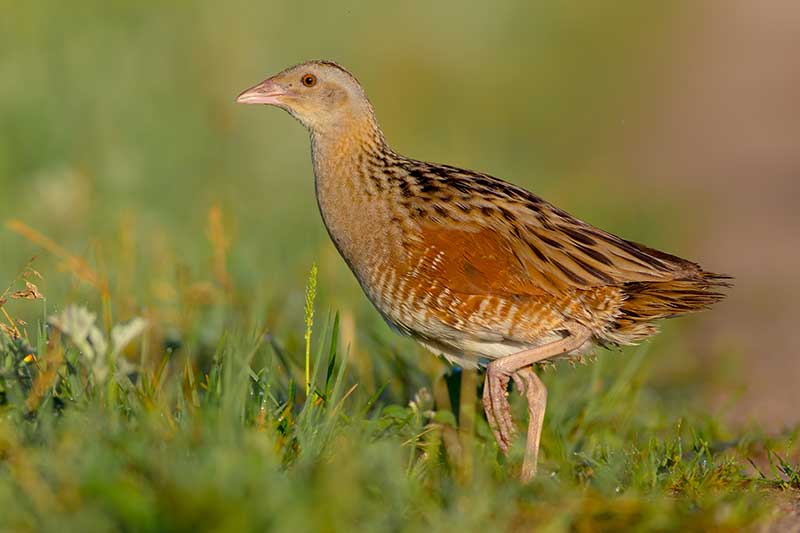
The unique rasping call of the corncrake was once a familiar sound across much of rural Britain, but it has now almost vanished from the mainland, surviving in only a few parts of Scotland. Males have rusty-brown upperparts with darker brown and buff feathers, creating a scaled effect. Their underparts are pale, with bars across the breast and belly. The head is brown with a white chin and throat, and a rufous stripe running through the eye. The bill is pink, and the eyes are brown.
Females are similar in appearance but warmer in tone, and the eye-stripe is less pronounced.
Corncrakes nest on the ground and depend on tall vegetation, such as nettles, flag iris, and cow parsley in meadows and arable fields, to conceal their chicks from predators. Their diet consists mainly of insects, slugs, snails, worms, and spiders, though they will also eat seeds.
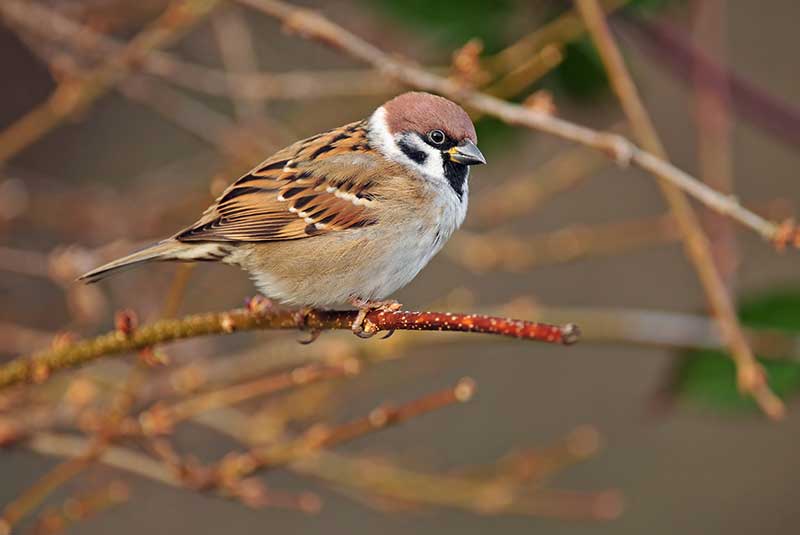
The tree sparrow resembles the more familiar house sparrow but is distinguished by its chestnut crown. They have brown upperparts streaked with black, and two narrow white wing-bars. The underparts are buff, and the tail is brown. On the head, the face is white with a black chin and black smudges around the eyes. The bill is bluish, and the eyes are dark brown. Males and females are similar.
Tree sparrows are typically found on lowland arable or mixed farms with trees and mature hedgerows. Their diet includes crop seeds, winter stubble, root crops, weeds, and spilt grain, making them particularly dependent on farmland habitats. They occur mainly across southern, eastern, and central England, with small, scattered populations in the north and west.
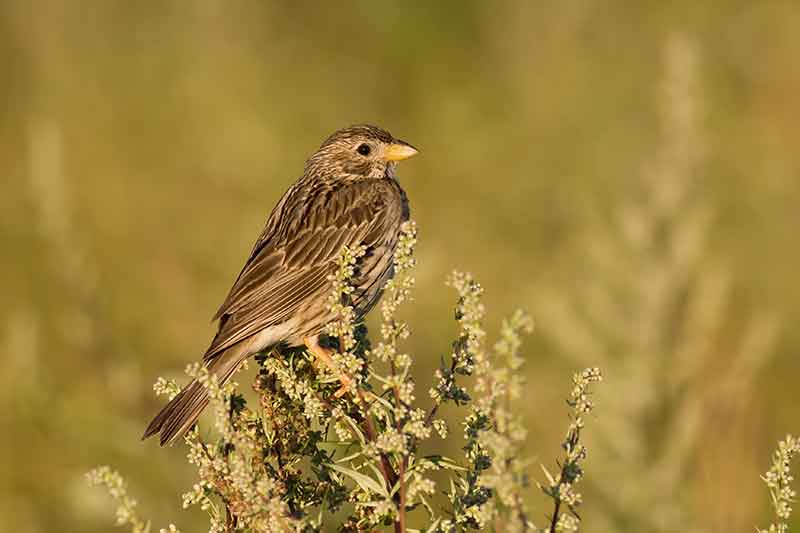
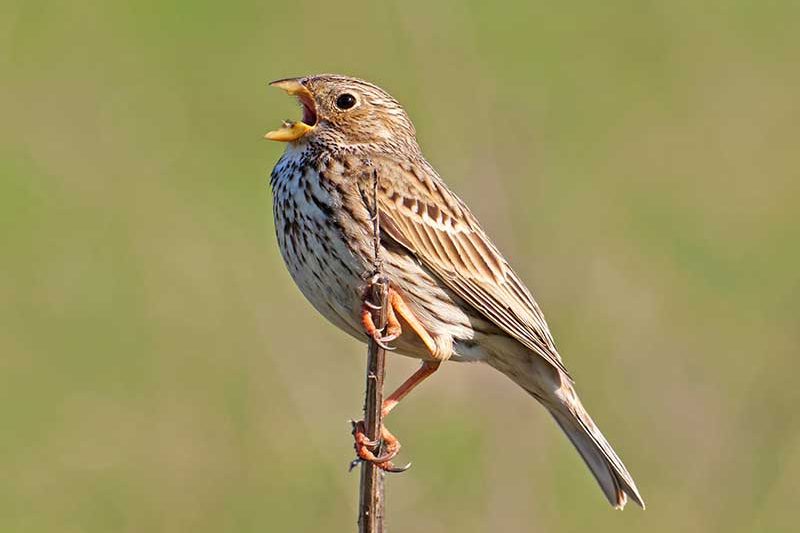
The male corn bunting is known for its repetitive, mechanical song, which he may deliver for up to an hour while perched on telegraph wires, fences, or posts. They have grey-brown upperparts streaked with darker markings and pale buff underparts with streaks across the breast and flanks. The tail is brown with a white tip. The head is olive-brown with dark streaks and a distinct white ‘moustache’. The bill is pale yellow, and the eyes are dark brown. Unlike most buntings, males and females are similar in appearance.
Corn buntings inhabit open lowland arable and mixed farmland with fences, stone walls, and scattered bushes. They nest on the ground, often in cereal fields. Their diet is made up largely of seeds, including those from harvested root crops, winter stubble, newly sown crops, weeds, and spilt grain. They are found mainly in central and eastern England, with smaller populations along parts of the east coast of Scotland.
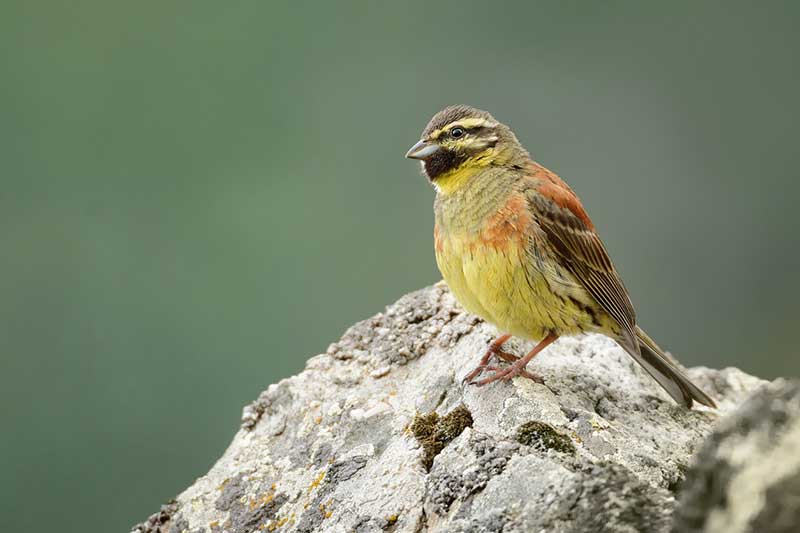
The cirl bunting is one of the UK’s rarest farmland birds. Similar in appearance to the yellowhammer and often elusive, males can be located by their brief, rapid, rattling trill. They have olive upperparts streaked with black and yellow underparts with rusty-brown patches on the breast. The tail is brown above and grey beneath. The face is yellow with a dark eye-stripe, while the crown and throat are black. In winter, males become duller, with heavier streaking on the head. Females resemble males in winter plumage but show more streaking on the upperparts, a yellow throat, and lack the black head markings.
Cirl buntings favour mixed farmland with thick hedgerows and dense scrub for nesting, alongside hay meadows that provide insects, particularly grasshoppers, for feeding their young. In winter, they rely on seeds, especially barley from stubble fields, as well as weeds along field edges ,and spilt grain. Once driven to the brink of extinction by modern farming methods, cirl buntings have made a remarkable recovery in recent years thanks to conservation efforts in south-west England.
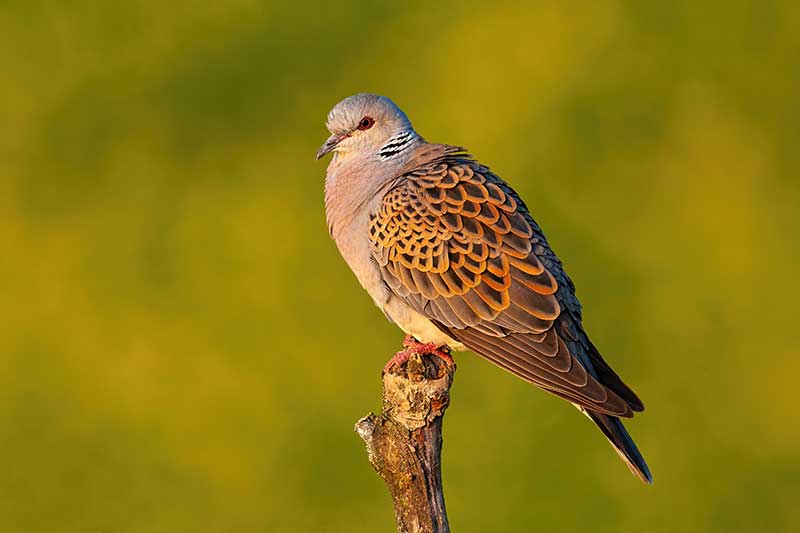
Famous as one of the gifts in the Twelve Days of Christmas carol, the turtle dove has suffered a severe decline, largely due to hunting in the Mediterranean region. Males have grey-brown upperparts patterned with dark scaling, with a blue-grey tinge across the rump and lower back. The wings are chestnut with a scaled pattern, while the flight feathers are grey edged with white. The breast is pinkish, the belly white, and the flanks pale grey. The head is blue-grey with a distinctive black-and-white striped patch on either side of the neck. The bill is black, and the eyes are bright orange. Females are similar but slightly duller in tone.
Turtle doves feed mainly on seeds, but many of their traditional food plants, such as fumitory and chickweed, are now considered weeds and are less abundant due to widespread herbicide use. Farmers are encouraged to provide supplementary feeding through Operation Turtle Dove, a conservation initiative led by Fair to Nature, Natural England, Pensthorpe Conservation Trust, and the RSPB. They nest in thick, overgrown hedgerows and bushes, often close to water. In the UK they are now largely restricted to south-east England, though passage birds may still be seen in north-east Scotland.
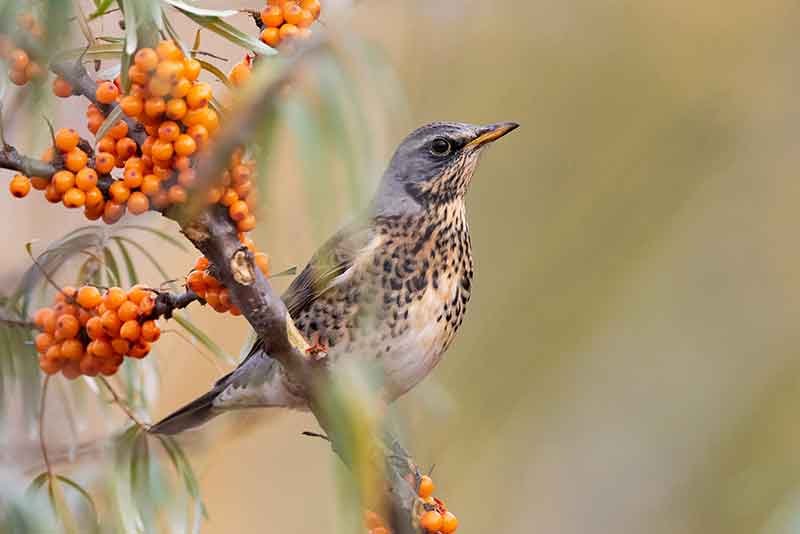
The fieldfare is a winter visitor to the British Isles, arriving from Scandinavia and Russia in October and departing the following April. It is a large, colourful thrush with chestnut upperparts and pale underparts washed with orange and marked with black streaks across the breast. Its head is blue-grey with black streaks and distinctive black patches on the cheeks and neck. The eyes are surrounded by black, with a white feathered eye-ring and a obvious pale eyebrow. The beak is yellow. Males and females are similar but she is duller overall with less streaking on the crown and flanks. Fieldfares are highly sociable birds, spending the winter in flocks ranging from a dozen or so to several hundred.
Fieldfares favour mixed farmland, which offers the hedges, scrub and woodland habitats they prefer. In late winter they will forage on grassland and along field margins, as well as on overwintered arable crops and stubble fields where earthworm numbers are high. Their diet consists mainly of berries, fallen fruit, worms and slugs, with occasional grain. During very cold spells, when the ground is frozen, they will venture into gardens in search of food, particularly windfall fruit.
Looking to combine your farm holiday with birdwatching further afield? Explore our collection of farm stays located near RSPB reserves and other birding hotspots.