If you’re planning a rural getaway in Britain, the chances are you’ve been weighing up two options: a traditional holiday cottage or a farm stay. On the surface they can look quite similar – both are usually self-catering, both put you in the heart of the countryside, and both offer the freedom to do things at your own pace. But once you look a little closer, some important differences become clear.
This guide is designed to help you work out which is the better fit for your trip, your travelling party, and what you hope to get out of your week away.
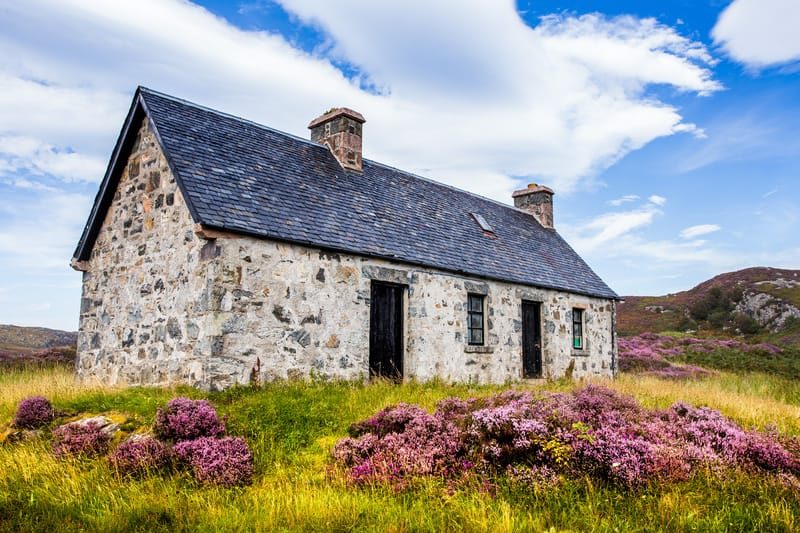
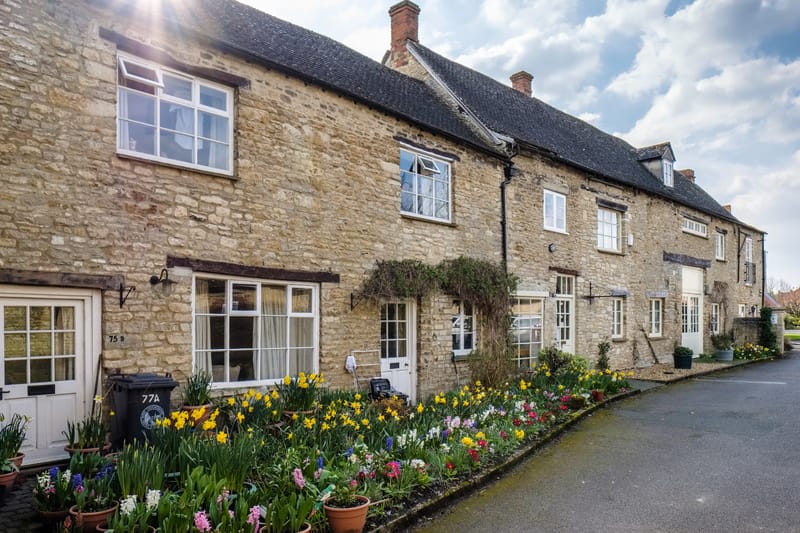
A holiday cottage is simply a self-catering property in a rural or coastal setting. It could be a honey-coloured stone barn conversion in the Cotswolds, a white-washed fisherman’s cottage on the Cornish coast, or a Georgian terraced house in a quiet market town. While the property’s surroundings are part of the appeal, once you’re inside, you’re largely insulated from them.
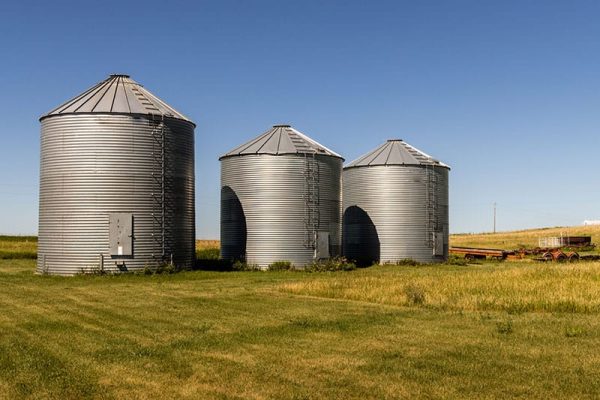
A farm stay is also self-catering accommodation, which could be a cottage, barn conversion, shepherd’s hut, or luxury lodge, but it is situated on a working farm. And it’s the setting that makes it different with farm activities all around you, and with it, animals, land, sounds and smells, and usually a farmer nearby.
That distinction sounds simple, but it changes the character of a stay considerably.
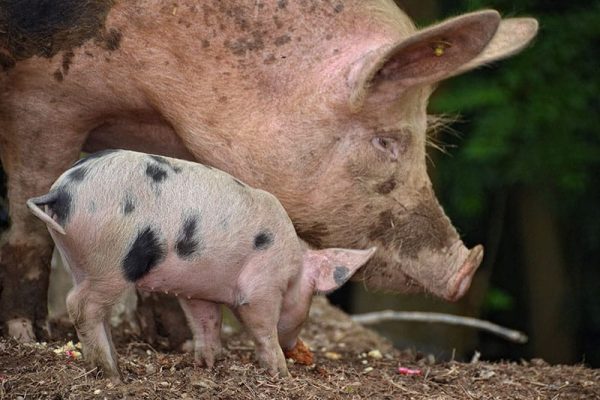
A farm stay gives you something to do before you’ve even thought about heading out for the day. Collecting eggs in the morning, watching the cows come in for milking, or letting the children loose in a field aren’t organised activities with a price tag, but just part of daily life on the farm.
For families in particular, this can transform a week away. Children who might need constant entertaining elsewhere tend to find their own rhythm on a farm, with plenty of space to explore, friendly animals to meet, and other endlessly interesting things happening.
There’s a difference between being near the countryside and being a part of it. A farm stay puts you right in the middle of an environment that’s actively being worked. You’ll see the seasons play out in real time with fields being ploughed, lambs in spring, hay bales stacked in late summer, meaning it’s not a picture postcard version of rural Britain but the real thing.
Farms are usually excellent for both. There’s almost always more outdoor space than you’ll find elsewhere, along with a sense of freedom that’s hard to replicate in other types of accommodation.
Dogs tend to thrive in this kind of environment, as long as they’re kept on leads around livestock. For children, the combination of space, animals, and constant new discoveries, means they become naturally more engaged, with far less pressure for structured entertainment or screen time.
As British farming has diversified, agricultural land that was once used entirely for food production has increasingly been repurposed for tourism. As a result, many farm stays now offer facilities rarely found in a rural cottage such as hot tubs, saunas, indoor and outdoor swimming pools, children’s play areas, games barns, and outdoor spaces equipped for all weathers.
The reason farms can offer these things comes down to scale. A rural cottage may have a lovely garden, but it’s rarely large enough for a swimming pool or a converted games barn, and neighbouring properties are often closer than the countryside setting implies. A farm by contrast has land – sometimes hundreds of acres of it – along with former outbuildings that can be used to provide these amenities. A hot tub overlooking a field of sheep, a games room in a converted stone barn, or a pool created from a former reservoir are all natural extensions of what already exists, rather than amenities squeezed into a limited footprint.
The comparison with holiday parks is different again. A farm stay with a pool or hot tub is typically sharing those facilities between just a few other properties on that farm, or even designated for your own party’s sole use. There’s no booking system, no queue, and no strangers in the water at 8pm. The privacy that comes from being one of very few guests on a working farm is something a busy holiday park, however well-equipped, cannot replicate.
Many farms either sell their own produce or are well connected to those that do. You’re more likely to get genuinely fresh eggs, local meat, and seasonal fruit and vegetables within walking distance or easy reach of a farm stay than most other types of accommodation.
Because farm stays are usually off the beaten track, they can also lead you to places you might otherwise miss such as small village cafes, farm shops, and local pubs serving properly regional food away from the usual tourist traps.
Diversifying into tourism is one of the ways many British farms make ends meet. Choosing a farm stay is a direct way of supporting working farms, helping to sustain the agricultural landscape and the rural communities that depend on them.
Holiday cottages, particularly those listed with well-established agencies, tend to be thoroughly documented. You’ll know the room layout, the spec, and what the nearest town looks like before you arrive. For people who find uncertainty stressful, or who are travelling with someone with specific accessibility needs, this level of predictability can be reassuring.
Many holiday cottages are in or near villages, market towns, or coastal resorts. If easy access to restaurants, shops, and attractions matters to you, a cottage in a village can be a better base than a farm several miles from anywhere.
Coastal farm stays do exist, and some of them are exceptional, sitting on clifftops or within walking distance of secluded beaches that most holidaymakers never find. If the idea of a working farm with a quiet cove at the bottom of the lane appeals, it’s worth searching specifically for them.
However, the choice of coastal farm accommodation is considerably narrower than with standard holiday cottages. Harbourside properties, seafront cottages, and urban edge retreats are almost exclusively in the holiday cottage camp.