For many travellers, food is one of the defining parts of a holiday. It’s how you connect with a place, through flavour, atmosphere, and shared experience. But in some of Britain’s most popular tourist areas, eating out can be surprisingly underwhelming. Restaurants in high-footfall locations often cater to convenience rather than quality, with predictable menus, inflated prices, and little sense of the local culture.
The good news is that eating well in rural Britain isn’t difficult – you just need to know where, and how, to look.
The easiest way to avoid disappointing meals is to move away from the main tourist trail, and if you’re staying on a farm, you’re likely already in a quieter, less commercialised area.
Restaurants located right beside major attractions or in the centre of busy hotspots often prioritise volume over quality. Instead, search out nearby villages and market towns that don’t feature heavily in guidebooks. Here, the focus is far more likely to be on regular, local customers rather than passing visitors, which usually means standards need to remain consistently high.
There are a few useful signs to look for. Longevity is one – places that have been open for years tend to have earned their reputation. A more understated, lived-in feel is often a better indicator than flashy décor designed to catch the eye of tourists.
And, of course, a steady stream of locals, especially at peak times, is always a good sign. It’s also worth paying attention to the details, as a well-kept exterior, clean windows, and a thoughtfully presented menu board usually reflect the same care behind the scenes in the kitchen.
Another clue is opening hours. Restaurants that close between lunch and dinner are often preparing fresh food for each service, rather than relying on all-day menus with pre-made or reheated dishes. That break in the afternoon usually signals a more considered approach to cooking, and, ultimately, a better meal.
Menus can reveal a great deal about a restaurant. Long, all-day menus offering everything from pasta and curry to burgers and sandwiches suggest a kitchen trying to please everyone rather than focusing on doing a few things well. In many cases, excessively large menus can indicate the use of frozen or pre-prepared ingredients, or dishes that have been cooked elsewhere and simply reheated on site. Be particularly cautious of menus that rely heavily on words like “famous”, “legendary”, or “world-beating”, which can sometimes be used to compensate for a lack of substance.
In contrast, a smaller, more focused menu, particularly one that highlights a few well-crafted signature dishes and changes regularly, often points to a kitchen that prioritises quality, seasonality, and freshness.
It’s also worth looking out for daily specials, especially those handwritten on a board or listed separately. These often suggest that the chef is working with fresh, available ingredients and is comfortable adapting the menu accordingly.
Seasonality is another strong indicator of quality, particularly in British food, which comes into its own when it follows the natural rhythm of the year, such as asparagus, rhubarb, and lamb in spring; new potatoes, berries, and crab in summer; and squash, apples, and game in autumn. Menus that reference seasonal or “market” produce generally have a more thoughtful approach to cooking and tend to offer a more authentic and memorable dining experience.
Finally, pay attention to how dishes are described. Clear, honest descriptions are usually preferable to overly elaborate or vague language designed to sound impressive without actually saying much. On the other hand, some menus now list dishes using only a couple of ingredients, such as “beef | onion” or “raspberry | curd”, as a stylistic choice associated with modern fine dining. However, in less refined settings, this minimalist approach can sometimes feel more like a trend-driven aesthetic than a genuine expression of culinary confidence, prioritising style over substance and leaving diners with little sense of what they are ordering without further explanation from staff.
One of the simplest and most effective ways to find genuinely good food is to ask. The owner of your farm stay or the landlord of a local pub will usually have strong opinions about where to eat, and they should steer you away from the most obvious tourist spots in favour of places they use themselves.
If you’ve enjoyed produce from your farm stay or a nearby farm shop, it’s also worth asking whether they supply any local restaurants. Producers tend to work within trusted local networks and are often selective about who they supply to, in order to protect their reputation for quality.
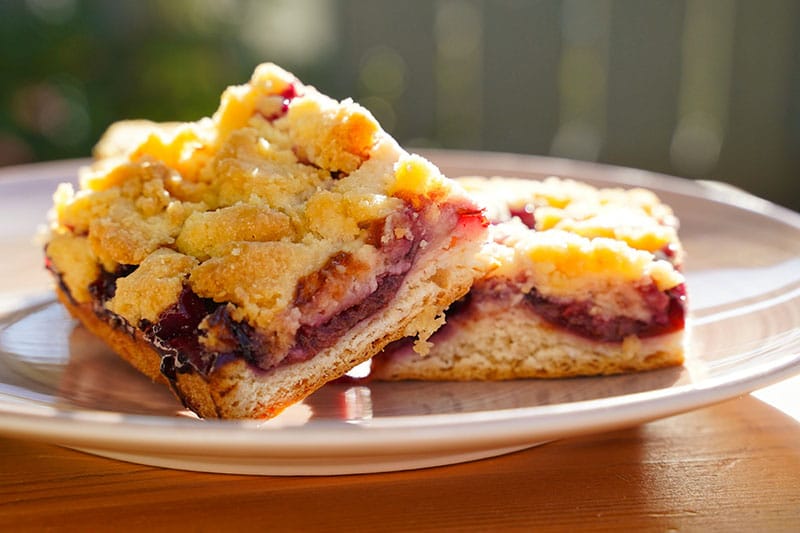
It helps to be specific with your questions. Rather than asking, “Where’s good to eat?”, try something more targeted, such as where to go for a relaxed Saturday brunch, the best place for a particular local speciality, or where to find the perfect cup of coffee. You can even take the opposite approach and ask staff at a higher-end restaurant where they go when they’re off duty. You might be surprised how often chefs and hospitality staff end their shifts in a simple, well-loved local café or traditional “greasy spoon”.
These kinds of conversations often lead you to places you wouldn’t otherwise discover, such as a tucked-away pub, a pop-up that doesn’t advertise online, or a small family-run bistro known mainly through word of mouth.
Review platforms can be helpful, but they’re not always the most reliable way to find the best places to eat, especially in rural areas. Popular restaurants tend to gather more reviews simply because they’re already visible, which can push them even higher up the rankings. Over time, this creates a kind of feedback loop, where the same places continue to dominate regardless of whether they’re the best options.
Social media can have a similar effect. Restaurants that are visually appealing or “Instagrammable” often attract attention from influencers and visitors looking for a photogenic experience. While that can make for a memorable setting, it doesn’t always reflect the quality of the food itself. As a result, some places build a strong online reputation based more on presentation and popularity than on consistently good cooking.
That’s not to say reviews should be ignored altogether, but they’re best used as a starting point rather than a final decision. Look beyond the overall rating, read a mix of recent reviews, and pay attention to what people are saying about the actual food and service. Combined with local recommendations and a bit of instinct, this approach will usually lead you to a better meal.
Some of the best food experiences in rural Britain don’t happen in formal dining settings at all. Many working farms now operate cafés serving fresh, seasonal produce, offering high-quality meals in beautiful countryside settings. Similarly, English vineyards, Herefordshire cider orchards, and Scottish whisky distilleries often have on-site restaurants where thoughtfully prepared dishes are paired with the drinks produced on the premises. Many of these venues also host events with street food, music, and live entertainment, making for a relaxed and enjoyable evening out.
Tea rooms are another quintessential part of rural Britain, and they offer far more than just cake. Many serve at least one hot dish each day, giving you the chance to try traditional British comfort food such as stew and dumplings or liver and onions. And, of course, it would be rude not to finish with something sweet, sticky, and indulgent.
For something more casual, local markets, bakeries, and butchers often provide excellent food on the go. Here you’ll find a wide range of hot and cold options, from quiche and sausage rolls to sandwiches and freshly prepared salad boxes.
If you want a more refined experience, many historic houses open their elegant dining rooms to the public. They usually require advance booking, but the food is often exceptional and the service impeccable. For a more budget-friendly alternative, afternoon tea is a popular option, and many estates also have cafés in converted stables, courtyards, or orangeries.
Finally, while driving along quiet rural lanes, you may occasionally spot a handwritten sign pointing down a track to a farmhouse or farm gate café offering cream teas and simple homemade dishes. These are informal, seasonal businesses run alongside working farms, and opening times can vary depending on the time of year. While they may not always be widely advertised, and in some cases can still evoke the traditional experience of sitting in a farmhouse garden while the farmer’s wife brings out a pot of tea and freshly baked scones, they are usually fully compliant with standard food hygiene regulations and operate within normal UK requirements.
What makes them memorable is their simplicity with fresh, locally made food served in unpretentious surroundings in the heart of the countryside. They can feel like a step back in time, and for many visitors, they become one of the most enjoyable parts of a rural holiday.
In recent years, rural pubs have had to diversify, and many now take food seriously, combining well-kept local beers, ales, and ciders with carefully prepared dishes made from quality ingredients.
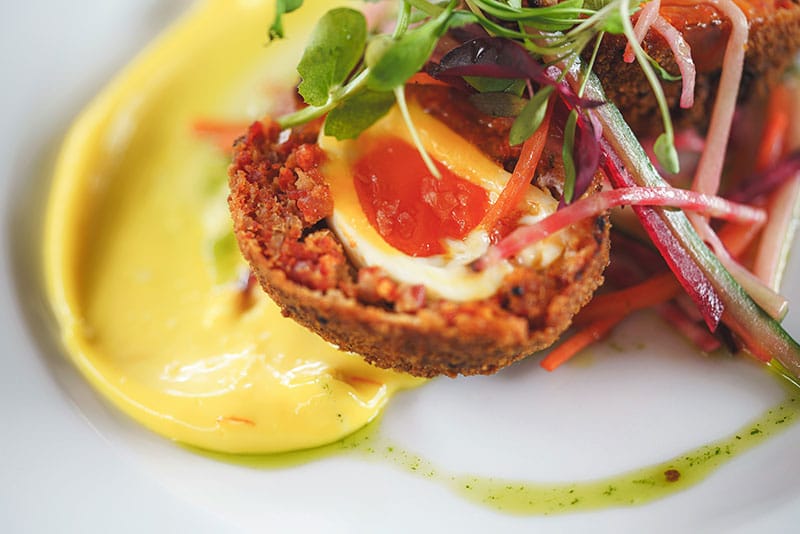
At the higher end, gastropubs offer restaurant-level cooking in the relaxed, sociable atmosphere of a traditional pub. They are particularly well suited to families, as they’re less formal than restaurants, welcoming to children, happy to accommodate muddy boots after a walk, and frequently dog-friendly too, with water bowls and treats readily available. Some have built such strong reputations that they are booked out months in advance, so be sure to check before you go.
In more traditional pubs, you can still expect fresh, seasonal dishes, with regional specialities, locally reared meat, and garden-grown vegetables. More often than not, you’ll be eating in a space full of character, with exposed beams, stone walls decorated with rural artefacts, roaring fires in winter, and scenic gardens in the warmer months.
Even bar snacks in rural pubs can amount to a substantial meal in their own right. Rather than a packet of peanuts, you’re more likely to find Scotch eggs, pork pies, charcuterie and cheese boards, and in coastal areas, raw bars showcasing local seafood.
One of the real advantages of staying on a farm is that eating well doesn’t always mean eating out. With easy access to fresh ingredients and spacious farmhouse kitchens, cooking doesn’t need to feel like a chore. Breakfast, in particular, is a great opportunity to eat in and save money, with no need for a takeaway croissant and coffee. You could go all in with a full English, or keep things simple with boiled eggs, cold meats and cheese, crusty bread, jam, and fresh fruit.
For evenings, keeping things relaxed often works best. After a day of exploring, a simple meal back at your accommodation, slow-cooked in an Aga or grilled on a barbecue using quality ingredients from a local farm shop, can sometimes be far more enjoyable than a formal restaurant booking. Add a bottle of something regional and a view over the fields, and it becomes part of your holiday experience rather than just another meal. It also gives you the freedom to eat when you like, without planning around opening hours or availability.
Picnics are another excellent way to eat well in the countryside without breaking the bank. With easy access to fresh bread, regional cheeses, deli salads, seasonal fruit, and homemade treats, putting one together becomes part of the pleasure of the day rather than an afterthought.
It’s worth remembering that rural places don’t always keep the same hours as cities. Some pubs and restaurants may close between lunch and dinner, or only open on certain days. Booking ahead, particularly in peak season, is often a good idea.
That said, with a bit of flexibility and a willingness to explore, you’ll rarely struggle to find something good.