With its rich heritage shaped by centuries as a borderland between England and Scotland, and later by industry, Northumberland is an ideal destination for a holiday or day trip. It boasts a stunning coastline, a beautiful national park, abundant wildlife, and no shortage of memorable attractions and experiences. Whether you’re planning a short break or a longer escape, here are 21 cool things to do in Northumberland.
Carried to its present location by a glacier, the Drake Stone is a 350-million-year-old sandstone erratic boulder weighing more than 2,000 tonnes. Its name is thought to derive from “Dragon Stone”, and it is steeped in myth and legend. Local folklore claims it possesses magical properties, with tales suggesting that children in Harbottle enjoyed unusually low mortality rates when they were passed over the stone.
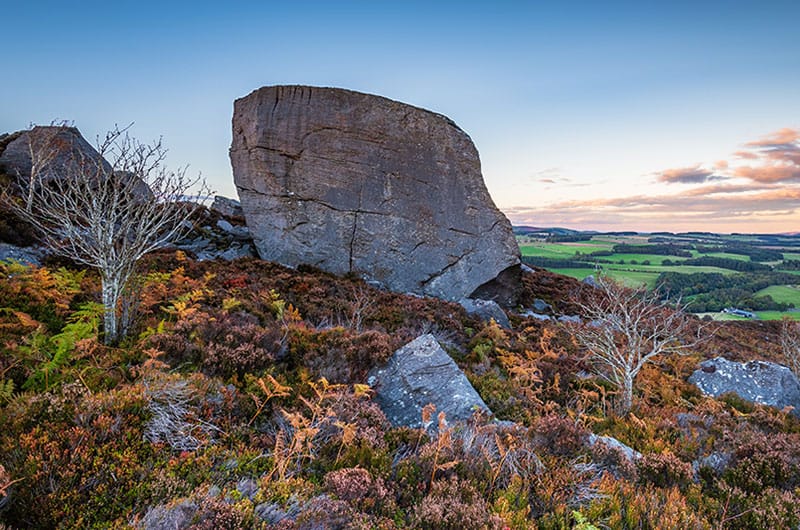
Its sheer vertical faces are marked with diagonal and wavy patterns known as cross-bedding, revealing the action of wind and water on sediments as they accumulated millions of years ago. Reaching the stone involves a bit of a climb, but the effort is rewarded with sweeping views of the surrounding countryside, the ruins of Harbottle Castle, and Harbottle Loch, said to be watched over by a mysterious ghostly spirit.
Situated in what was once the largest pit village in the world, Woodhorn Museum brings to life Northumberland’s rich coal mining heritage alongside a programme of contemporary arts and events. The site comprises several historic colliery buildings including a winding house, a steam winding engine, a blacksmith, and a building with ventilation equipment where visitors can learn about what life was like in a Coal Town.
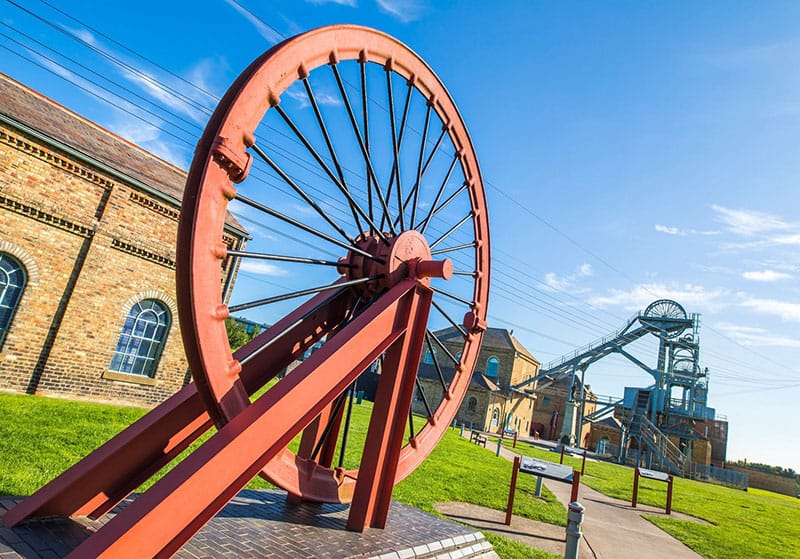
The museum is also home to the collection of artwork by The Ashington Group, also known as the Pitmen Painters, who produced hundreds of paintings showing what life was like both above and below the ground for mining communities between 1934 and 1983.
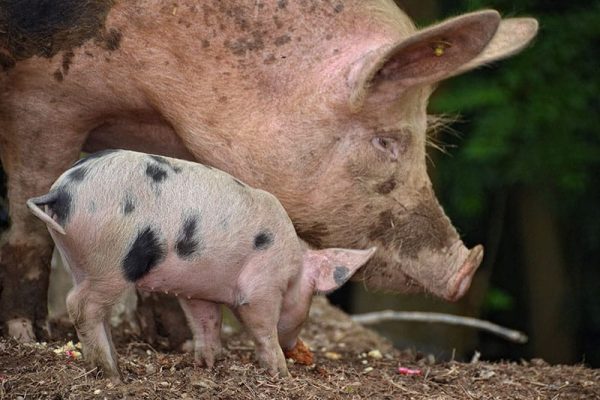
Set on a working farm, Hay Farm Heavy Horse Centre is the country’s only Rare Breed Survival Trust–approved conservation centre dedicated to heavy horses, including Clydesdales, English Shires, and French Percherons. It also cares for a range of other rare breeds, such as British Lop Ear pigs, Sebastopol geese, and Indian Runner ducks.
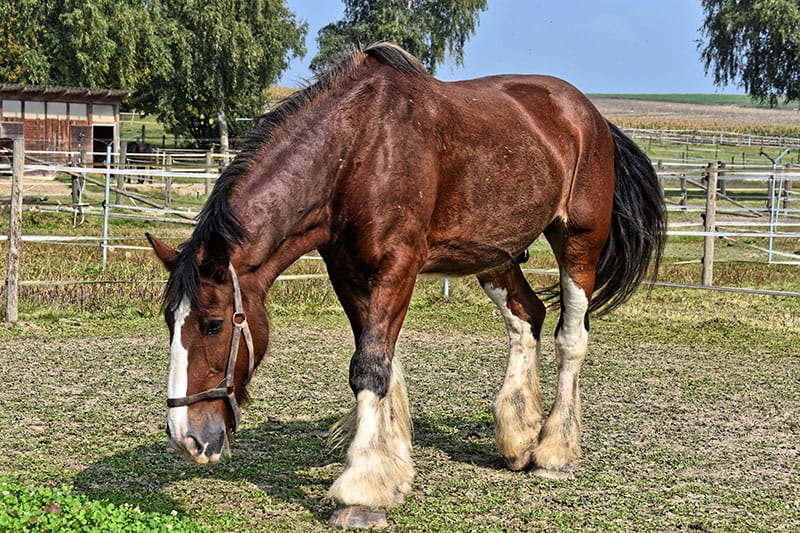
Visitors can meet these gentle giants and learn about their history. The centre also houses an impressive collection of horse-drawn machinery, artefacts, and memorabilia, while during the summer months, carriage rides are available to book. There’s also an excellent on-site café, serving award-winning hand-crafted pies and Scotch eggs, freshly baked scones and cakes, and thick, creamy milkshakes, to enjoy either in cosy converted horse stalls or out in the charming garden.
Housed in a Grade I listed 13th century chapel, the Morpeth Chantry Bagpipe Museum specialises in the history and development of Northumbrian smallpipes and their music. The fascinating collection includes bagpipes from all around Europe and as far away as India, while a sound system brings the pipes to life so visitors can learn the difference between a rant and a reel.
Mainly based on the collection William Cocks, a master clock maker from Durham who had a lifelong interest in the culture of the North East of England, the museum is also home to many of his photographs and press clippings as well as a large assortment of printed sheet music and manuscripts.
Northumberland is blessed with a largely unspoilt coastline, home to a wide variety of beautiful beaches. Amble Links is a standout spot, with its expansive sandy shore attracting families, walkers, and watersports enthusiasts who come to enjoy sailing, kayaking, stand-up paddleboarding, and surfing.
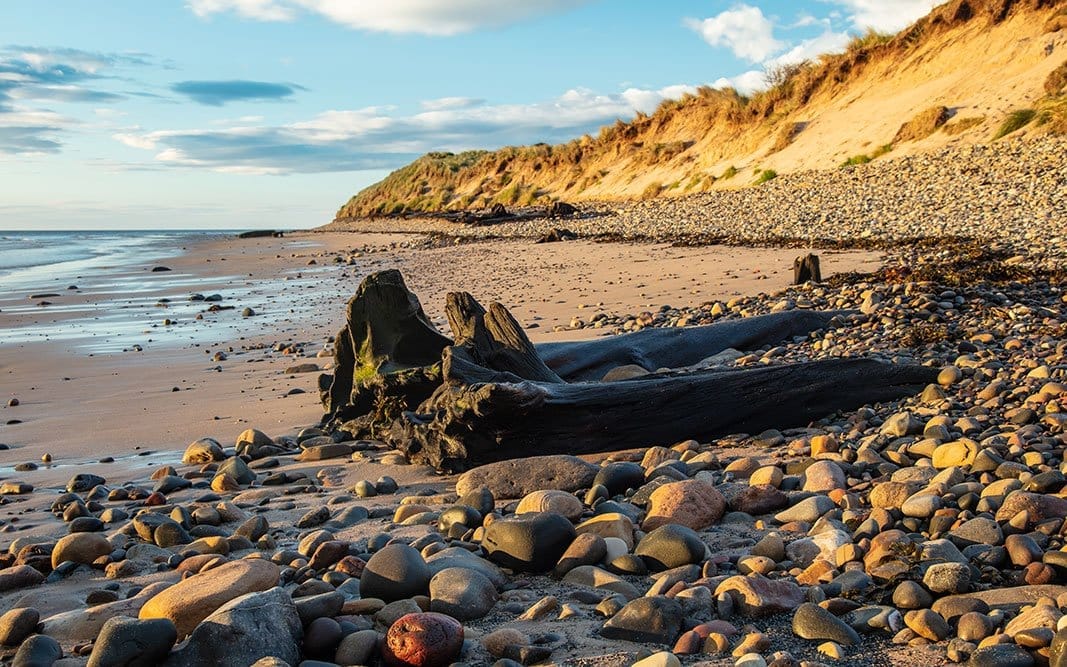
It’s also a haven for birdwatchers, thanks to Coquet Island, which lies about a mile offshore. The island is a vital breeding ground for thousands of seabirds, including puffins and the UK’s only colony of roseate terns. While landing on the island isn’t permitted, boat trips from Amble offer an excellent opportunity to get a closer look at its remarkable wildlife.
One of the oldest, purpose-built prisons in England, Hexham Old Gaol is a Grade I listed building completed in 1332 using stone from the Corbridge Roman town. Set over four levels visitors can explore the cells in the dungeon reserved for the most serious of criminals, the gaoler’s lodgings on the top floor, and exhibitions and artefacts giving an insight intro crime and punishment in medieval Northumberland.
There are plenty of activities for children, including dressing up in costumes, playing with hand puppets, trying brass rubbings, and experiencing what it was like to be pelted while in the stocks. The museum also houses the Border Library, an important reference collection from the Border Reiver era, as well as a large interactive map showing the origins of surnames from across the North East.
One of the largest second-hand bookshops in Britain, Barter Books is famous as the birthplace of the Keep Calm and Carry On poster, discovered by the owner in a box of old books bought at auction. The shop is housed in the Victorian Alnwick railway station, which opened in 1887, with a model railway running through the central room, weaving between the bookcases.
Barter Books is known for its exchange system, allowing customers to trade in books for credit towards future purchases. Inside, you’ll find cosy nooks and crannies perfect for settling down with a good read, with open fires adding to the atmosphere in winter. There’s also a room featuring more than forty glass cases filled with antiquarian books, as well as a children’s playroom packed with toys so parents can browse at leisure.
The shop is home to a café, The Station Buffet, which serves breakfast, hot meals, sandwiches, and afternoon tea, all enjoyed at tables in the station’s original tiled waiting rooms.
Known as the Lady of the North, Northumberlandia is a huge land-art sculpture in the form of a reclining female figure, set within a community nature reserve managed by the Northumberland Wildlife Trust. Created from 1.5 million tonnes of rock, clay, and soil from a nearby open-cast coal mine, the sculpture is designed as a living part of the landscape, evolving over time and changing with the seasons.
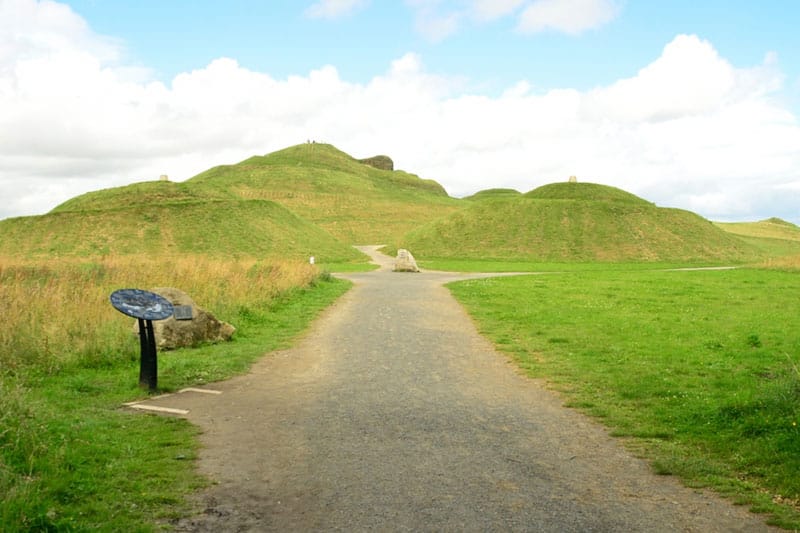
The surrounding reserve comprises a mix of grassland, woodland, and ponds, supporting a rich variety of wildlife, including tree sparrows, skylarks, little grebes, tufted ducks, brown hares, roe deer, and great crested newts, as well as an array of fascinating fungi in autumn. A visitor centre on site hosts a year-round programme of events, from guided walks and food and craft markets to hands-on citizen science projects.
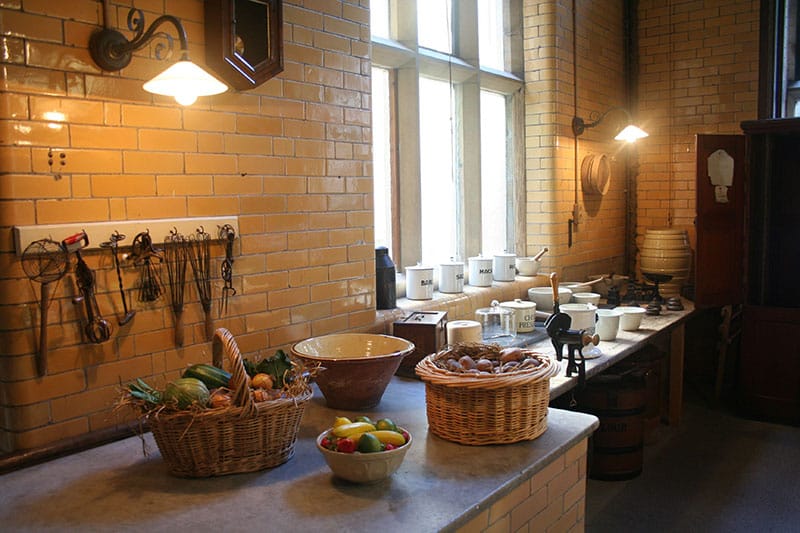
Often described as Britain’s first smart home, Cragside is a Tudor Revival country house filled with Victorian innovations that transformed modern living. Lit by hydroelectricity and powered by hydraulics, it offered cutting-edge comforts far ahead of its time. Visitors can explore the Butler’s Pantry, the operational heart of the house, where the Caretaker of Electric Light oversaw the turbine, dynamo, and batteries; the Library, with a William Morris stained glass window and an Egyptian marble fireplace, and the Turkish Baths, a private spa complete with water closets and a plunge pool lined with Delft tiles.
The house is set within breathtaking gardens, including an elegant Italian-style terrace, a canopy of some of the tallest trees in the world, and a stunning rock garden filled with rhododendrons. Younger visitors can explore the labyrinth maze in the play area, while scenic lakeside walks offer plenty to enjoy for all ages.
Hindhope Linn is a magical waterfall hidden within an enchanting dell in the heart of Kielder Forest, just a short distance from the Scottish border.
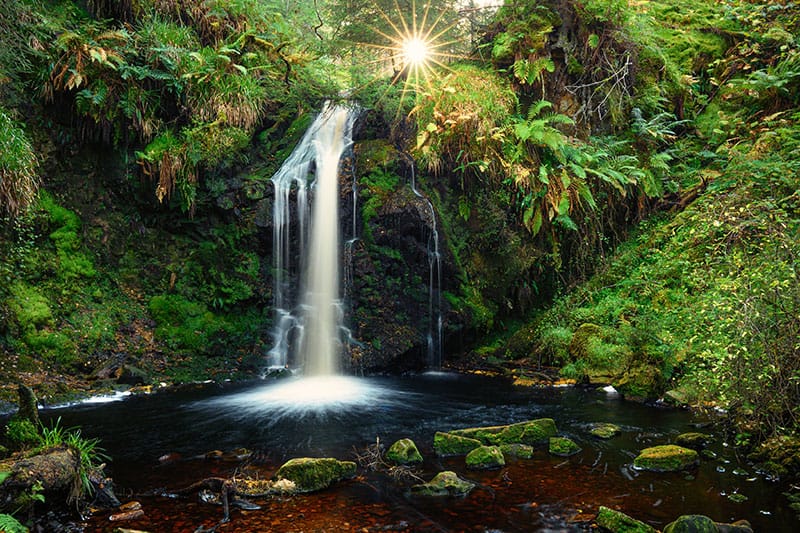
From the nearby car park, a gentle 20-minute walk leads you through ancient woodland, where areas of Scots pine and larch provide a home for wildlife including deer, red squirrels, badgers, and bats. After taking in the waterfall, a further trail guides you to the Three Kings of Denmark, a Bronze Age stone circle made up of three standing stones and one fallen. According to local legend, the site marks the resting place of three Danish kings said to have been killed in battle.
Serving the community of Craster since 1847, The Jolly Fisherman is a traditional inn known for its panoramic views of Dunstanburgh Castle and the North Sea, as well as its reputation for excellent home cooking made with the finest locally sourced ingredients.
Menu highlights include crab soup, dressed crab salad, and a luxurious fish pie. You’ll also find hand-rolled pies, a strong selection of vegetarian dishes, and classic Sunday roasts with all the trimmings, complemented by a range of well-kept ales.
Full of character, the historic pub retains its original charm with stone-flagged floors and low, beamed ceilings. Outside, a welcoming beer garden and terrace offer the perfect spot to relax while taking in views over the beach.
A place of worship was first established on the site of the present church in 635, when Saint Aidan was invited from Iona by King Oswald to bring Christianity to his newly unified kingdom of Northumbria. No trace of that original wooden structure survives, and the church standing today dates from the late 12th century.
Inside, a number of interesting features can be found, including a medieval square opening known as a “squint,” which allowed those outside the chancel a glimpse of the priest during services at the altar. There is also a beautifully carved font from 1852 and a spring-themed stained glass window dating from the 1920s.
In the churchyard stands a Victorian Gothic monument to Grace Darling, built near her grave so it could be clearly seen by passing sailors.
Northumberland boasts some of the finest dark skies in the country, and for a comfortable stargazing experience, the observatory at Battlesteads Hotel is hard to beat. It offers a wide range of activities, including star and moon gazing, astronomy sessions, aurora hunting, and astrophotography workshops, with events, talks, and drop-in sessions suitable for everyone from complete beginners to seasoned enthusiasts.
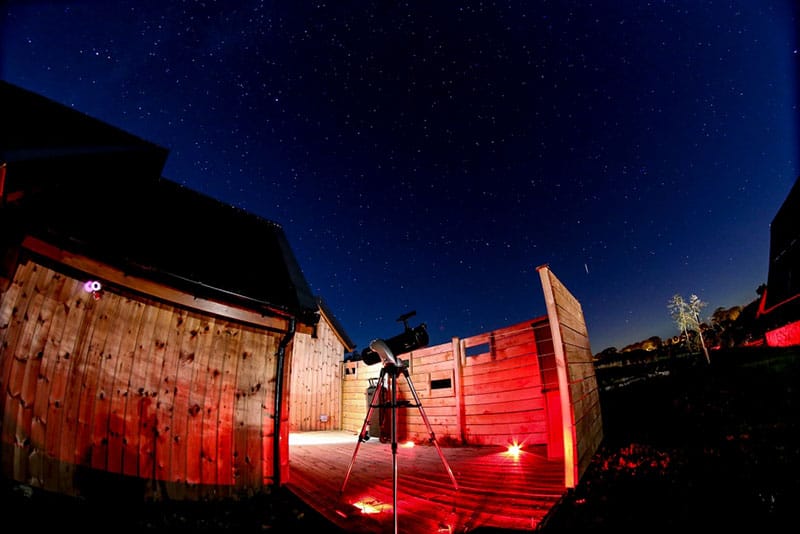
Telescopes and binoculars are provided, along with electricity and Wi-Fi for your own equipment and devices. Superb meals and snacks are available in the hotel’s bar and restaurant, which specialises in sustainable, locally sourced produce. Best of all, the access road remains open whatever the weather, even during midwinter snowfall.
Said to be Britain’s most haunted castle, with more than 100 reported ghosts, Chillingham Castle has been owned by the same family line since 1246. Inside, visitors can explore the infamous torture chamber, which houses a chilling collection of historic instruments, including a stretching rack, cages, a bed of nails, a nailed barrel, and a spiked chair. Other highlights include an elegant dining room once used by King James I and King Charles I, and the library, filled with fascinating family memorabilia, paintings, photographs, and period furnishings.
Outside, the grounds feature a garden dating from 1828, designed by royal architect Sir Jeffry Wyatville, and home to the longest herbaceous border in England. The estate also includes picturesque lakes and woodland, rich in bird and wildlife, while a rare herd of wild cattle grazes the surrounding parkland.
Managed by the Northumberland Wildlife Trust, Druridge Pools is a former coal mine transformed into a thriving wetland haven, which supports large flocks of wintering wildfowl, particularly wigeon, teal, and goldeneye.
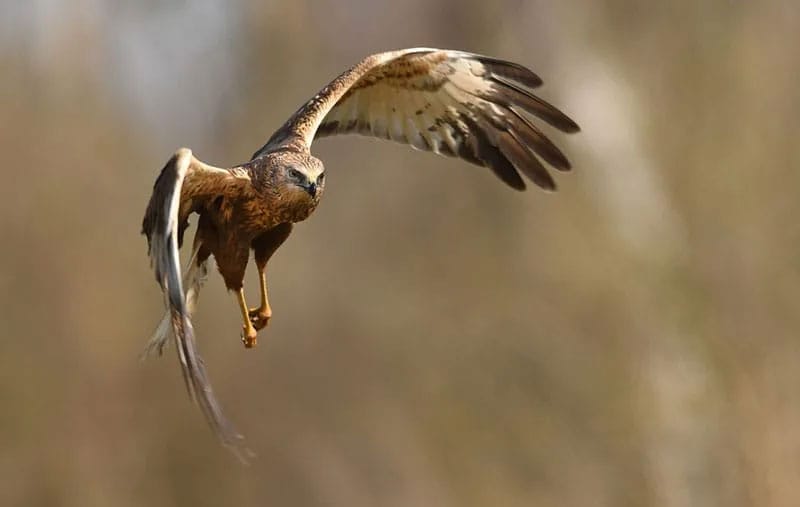
The deep lake to the north offers a chance to spot otters, while wading birds feed along its shores. To the south, two wet grazing fields, home to Exmoor ponies, provide excellent feeding grounds for snipe, redshank, and teal, along with the occasional rarity. Nearby dunes attract species such as grasshopper warblers, stonechats, skylarks, and meadow pipits, while owls and marsh harriers can often be seen hunting over the reed beds.
The reserve is well equipped for visitors, with two viewing hides, a raised platform, and a network of public footpaths for exploring the area.
Discover how people lived, worked, and worshipped along Hadrian’s Wall at Corbridge, a once-thriving Roman town. Visitors can stroll along the main street of this former garrison, lined with the remains of granaries, a fountain house, markets, workshops, and temples.
You can also explore an internationally important collection of artefacts that bring the town and its inhabitants to life, including weapons, jewellery, personal belongings, grave goods, and depictions of the many Roman gods once worshipped here. Don’t miss the Corbridge Hoard, a remarkable time capsule buried in the 2nd century AD, with exceptionally well-preserved items from a Roman workshop, including armour and a soldier’s personal possessions.
Lindisfarne was one of the most important centres of Christianity in Anglo-Saxon England for over a century, until it was raided by the Vikings in 793 AD. The ruins seen today date largely from the 12th century, when Norman monks from Durham Cathedral established a new monastic community on the island. Among the priory’s most striking features is the dramatic rainbow arch, adorned with fine carvings and incorporating defensive elements built in response to threats from Scottish raids.
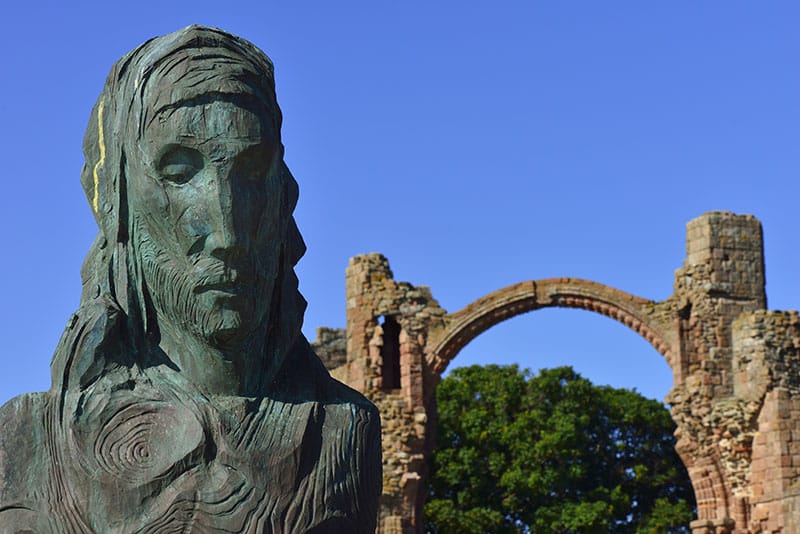
In the museum, visitors can explore a collection of rare Christian and Anglo-Saxon artefacts, including a prayer bead necklace, a gaming counter, and a copy of the illuminated medieval manuscript known as the Lindisfarne Gospels.
St Cuthbert, one of England’s most revered saints, was buried on the island before his remains were moved to Durham Cathedral in 995 AD. A monument marking his original grave, crafted from local basalt and Frosterley marble and set on a Swaledale plinth containing fossilised sea creatures, now welcomes pilgrims and visitors alike.
Managed by the National Trust, Seaton Delaval Hall is a grand country house designed by Sir John Vanbrugh for an eccentric aristocratic family in the early 18th century. Known for their lavish parties, the hall reflects their flamboyant lifestyle and is home to a fine collection of artworks, furniture, statues, and ceramics.
Outside, the gardens offer a varied landscape, including an Italianate parterre, herbaceous borders, an arboretum, a small pond, and a stunning laburnum arch. Inspired by the mechanics of Baroque theatre and the Delavals’ candlelit entertainments, the Delaval Playdium in the North West Woods provides a playful space for children to explore, create, and imagine.
Enjoy a scenic ride through the countryside on the Heatherslaw Light Railway, the most northerly steam railway in England. This charming 15-inch gauge line runs between Heatherslaw and Etal Castle, covering a four-mile journey that takes around 20 minutes each way. It follows the banks of the River Till, offering excellent opportunities to spot local wildlife, including swans, herons, ducks, and the occasional otter.
The railway also offers special experiences where you can try your hand at being a steam or diesel locomotive driver for the day. On site, there is an excellent shop selling toys, games, books, stationery, and a range of Thomas and Friends-themed items.
Seahouses is a picturesque fishing village with a busy harbour that serves as the main departure point for boat trips to the Farne Islands to see puffins, in spring and summer, and grey seals and a wide variety of wildlife throughout the year. The village has several dog-friendly beaches with excellent views of Bamburgh Castle and Holy Island, ideal for coastal walks, rock pooling, and angling. It is also well known for some of the best fish and chip shops in Northumberland, alongside a great selection of independent stores to browse.
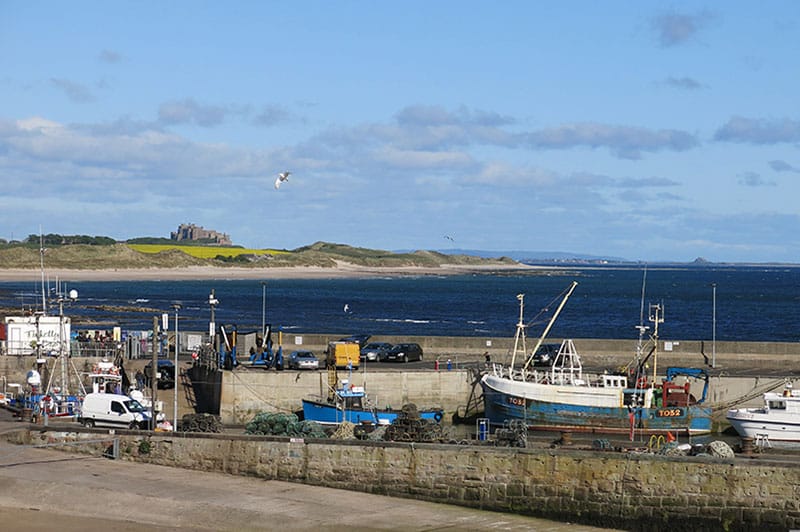
The village has a strong connection to Grace Darling, and one of the local RNLI lifeboats is named in her honour. Visitors are welcome to view the boats and learn about the station’s vital lifesaving work, with regular open days held throughout the year. There is also an RNLI shop on site, which helps raise funds for the charity.
The seat of the Duke of Northumberland, Alnwick Castle is the second largest inhabited castle in the country. Harry Potter fans will recognise it as a key filming location for Hogwarts School of Witchcraft and Wizardry, and it also served as the grand Brancaster Castle in Downton Abbey.
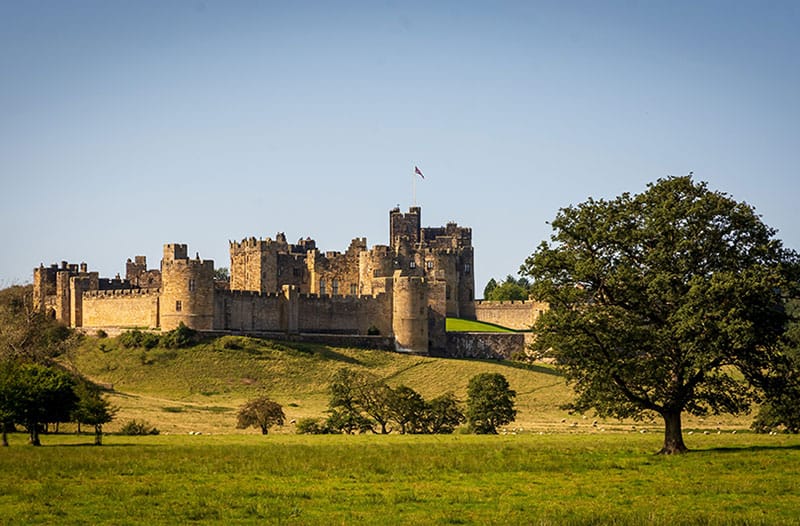
Visitors can explore the richly decorated State Rooms, filled with fascinating treasures. Highlights include the library, home to nearly 15,000 books, and the Drawing Room, which showcases the strong Italian influence with its gilded ceiling, painted frieze, carved doors, marble fireplace, and large ornamental mirror.
The castle also offers a range of hands-on activities including archery, a mythical dragon quest, broomstick training, and medieval craft demonstrations.
If you’re thinking about visiting, staying on a Northumbrian farm is a wonderful way to experience the county from a different viewpoint and experience rural life first hand. Accommodation ranges from cosy cottages and stylish barn conversions, to contemporary lodges, while the farms themselves offer acres of open space and the chance to meet friendly animals.