For families, a traditional seaside resort holiday is an easy choice, with plenty of entertainment right on your doorstep. However, it does come with drawbacks with crowds, noise, busy beaches, a lack of local character, and the added expense of tourist-focused attractions.
A coastal farm stay offers a fantastic alternative. You’ll still enjoy easy access to beautiful, unspoilt beaches, but with the added benefit of peace, space, and the charm of the British countryside all around you.
At a traditional seaside resort, you’re not only sharing the beach but also competing for space in car parks, cafés, and entertainment areas. On busy, hot days, things can quickly feel overcrowded, and the atmosphere can become tense as tempers start to fray.
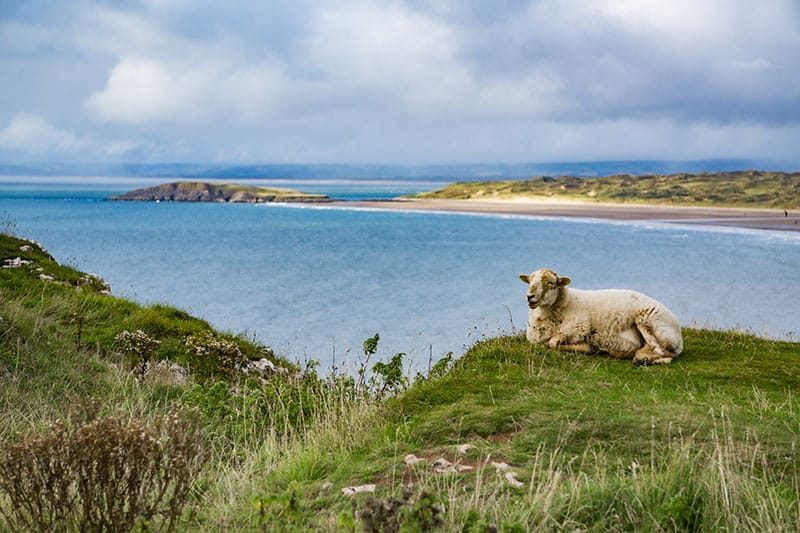
Staying on a coastal farm offers a different experience. You’ll still have easy access to the sea, but the nearby beaches are often off the beaten track and far quieter, even during peak season. Many visitors overlook these spots due to their lack of facilities, or simply because they don’t know they exist.
One of the real advantages of a farm stay is local knowledge. Your host can point you towards hidden gems and secluded coves, some of which may be reachable directly from the farm via coastal paths. Even when a drive is needed, you’re never far from your base if you want to head back.
Quieter beaches are ideal for families, giving you plenty of room to spread out and relax. You can enjoy a picnic, fly a kite, or play games without feeling crowded. They also open up opportunities for activities you might not usually try, such as exploring rock pools, crabbing, fossil hunting, or spotting coastal wildlife. Rural stretches of coastline often have interesting features to explore like sand dunes, caves and caverns, wetlands rich in flora and fauna, and even streams or waterfalls tumbling onto the shore. They’re also more likely to be dog-friendly all year round, and you’ll have far more privacy for changing or swimming.
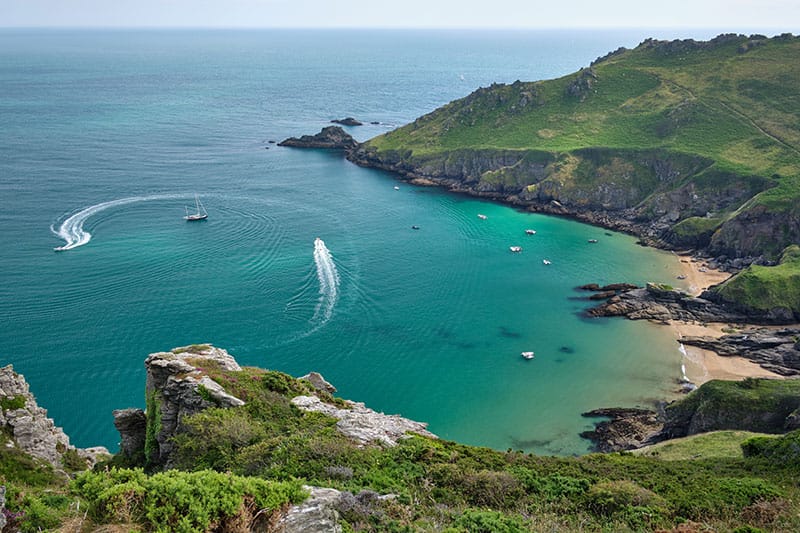
Secluded beaches do come with a few considerations though. They’re unlikely to have lifeguards, and conditions can be less predictable, with stronger tides, currents, or unstable cliffs. It’s worth checking tide times before you set out, and always pay attention to any warning signs, whether for safety reasons or to protect ground-nesting birds.
One of the big appeals of a seaside resort is the sheer range of attractions, such as funfairs, amusement arcades, mini golf, play parks, and large shopping and leisure complexes. The downside, of course, is that you’re sharing them with hundreds, sometimes thousands, of other visitors, which often means long queues and crowded spaces.
If you’re concerned there won’t be enough to do during a coastal farm stay, there’s no need to worry. Many farms offer an impressive range of on-site facilities. Games barns provide a welcome escape on rainy afternoons, while children’s play areas are perfect for letting off steam in a safe environment. Some farms go even further, with swimming pools for a cooling dip, hot tubs and saunas for a touch of luxury, and even gyms for those keen to keep up their fitness routine while they’re away.
Unlike large resorts, these facilities are rarely busy. In some cases, they’re exclusively for your use, or shared with just a handful of other guests. That means no booking time slots, no overcrowding, and no constant noise – just the freedom to relax and enjoy it all at your own pace.
And then there’s the farm itself. Many hosts are delighted to let guests get involved with daily life. You might watch cows being milked, help bottle-feed lambs, or collect freshly laid eggs. Some farms offer additional activities such as tractor rides, pony trekking, or small petting areas where children can meet rabbits and guinea pigs. Others run hands-on workshops, giving you the chance to try traditional crafts like hedge laying, basket making, or even blacksmithing.
Everyone wants to relax on holiday, including parents, but that can be difficult when you’re constantly keeping an eye on children. At a busy seaside resort, you need to supervise them around traffic, crowded promenades, and packed beaches, which makes it hard to let them simply run off and play. That lack of freedom isn’t ideal for children either; they can feel restricted on what’s meant to be their holiday too, which can sometimes lead to frustration, or the occasional meltdown.
Farm stays, by contrast, are often designed with families in mind. Many offer enclosed gardens or paddocks where children can safely let their imaginations run free, as well as play areas within easy view of the house and no passing traffic to worry about. Younger children have plenty of space to burn off energy (which certainly helps at bedtime), while older ones can enjoy a sense of independence, and the freedom to explore without feeling constantly watched over or dragged into activities they’re not interested in.
It’s also much easier to keep an eye on children on a quieter beach. Without the crowds, they’re less likely to get lost, and if they suddenly make a beeline towards the water, you can go running after them without navigating through throngs of people. It gives them the chance to play more freely, while keeping a watchful eye on them from a comfortable distance.
A farm stay also offers something many children don’t often experience: a real connection with nature. Growing up in towns or cities can limit everyday encounters with wildlife, and even a traditional seaside resort can feel surprisingly built-up and artificial. In the countryside, though, there’s a world of simple discoveries, such as learning the names of wildflowers, holding a bug, climbing trees, or just exploring the outdoors. It’s a natural way to spark curiosity and build independence, helping children develop valuable life skills without it ever feeling like a lesson.
Rising demand means accommodation in seaside resorts can become incredibly expensive during peak periods such as the summer and Easter holidays. While farm stays do vary in price throughout the year, the fluctuations are generally far less dramatic, meaning a holiday on a farm can work out significantly cheaper.
It’s not just accommodation costs to consider either. Restaurants, attractions, and local amenities often increase their prices during peak season to cover higher staffing costs and make up for quieter periods. With so much on offer, it’s easy for daily spending to add up quickly from meals out, coffees, ice creams, attraction tickets, parking fees, and the constant pressure from children wanting treats from shops and arcades. Without that level of stimulation, and with plenty of free activities in the countryside, there tends to be far less “pester power” on a farm stay.
Self-catering on a farm can also lead to major savings. Shopping like a local in a farm shop can work out cheaper than relying on supermarkets or convenience stores, and the quality is usually excellent. With a well-equipped farmhouse kitchen, mealtimes can become more relaxed and enjoyable, encouraging you to have breakfast before heading out for the day or packing a picnic to take with you on your adventures.
Evenings in a seaside resort often revolve around restaurants, bars, or entertainment venues, which inevitably means more spending and planning. On a farm, by contrast, there are plenty of low-cost ways to unwind, such as soaking in a hot tub, enjoying a barbecue as the sun sets over the fields, stargazing under clear skies with minimal light pollution, or taking a moonlit walk to spot nocturnal wildlife. Even a quiet night in with a film can feel special when there’s crackling fire in the background. Staying in also means adults can enjoy a glass of wine without worrying about a designated driver or spending on taxis.
More and more people are choosing to take their dogs on holiday, treating them as part of the family rather than leaving them behind to miss out on the adventure. While it is possible to find pet-friendly accommodation in seaside resorts, this doesn’t always mean it is particularly suitable with small gardens, busy streets, and cramped living spaces. Crowds are not ideal for dogs either, as the noise and constant activity can be stressful for them, while also being less pleasant for other visitors who may not be comfortable around dogs or find them getting underfoot.
Many popular tourist beaches also have strict dog restrictions, with some banning them entirely during the summer season. This can mean your dog is unable to join you on the beach at the very time you’re most likely to want to visit.
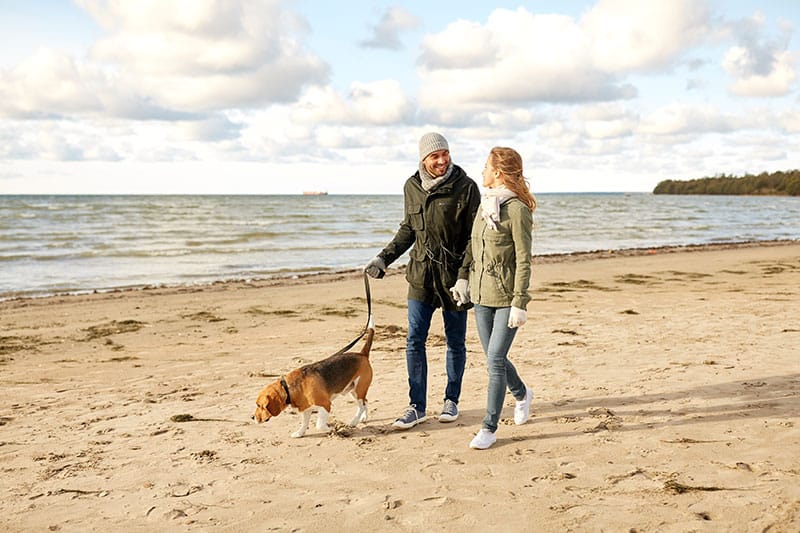
Farm stays, on the other hand, are genuinely dog-friendly. Many farmers have dogs of their own and understand their needs, offering thoughtful extras such as welcome hampers with treats and toys, dog beds, blankets, and bowls, as well as dog-washing stations for muddy paws after a day outdoors.
As mentioned, rural beaches are typically far more welcoming to dogs, giving them space to run around, dig holes in the sand, chase after balls, or go for a swim in the sea. And there’s not just the beach to enjoy. Coastal paths offer fantastic walking routes for dogs and their owners full of new sights and things to sniff, while country pubs are usually very dog-friendly, providing a warm welcome and a well-earned treat or chew.
Just remember to keep your dog under effective control when out in the countryside. Use a short lead near livestock, only let them off lead if they have reliable recall, and always bag and dispose of waste responsibly in public bins or take it home to help prevent the spread of disease.