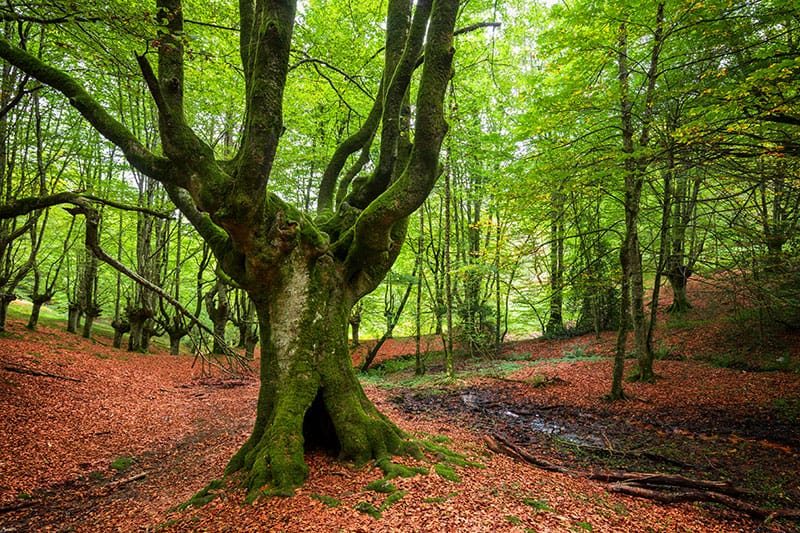
There’s something quite lovely about a summer walk in the woods, where the cool air offers relief from the heat and the sounds of wildlife are softer and more subdued than in other seasons. Although it may feel quieter, there is still plenty to discover if you take the time to look.
To help you notice seasonal details as you walk or for a fun family challenge, download our accompanying nature spotting sheet.
By summer, deciduous trees are in full leaf, forming a dense canopy that provides welcome shade on hot days. The fresh, light greens of spring deepen into richer tones, and early signs of seeds and fruit begin to appear, as spiky conker cases start to form, and young acorns emerge.
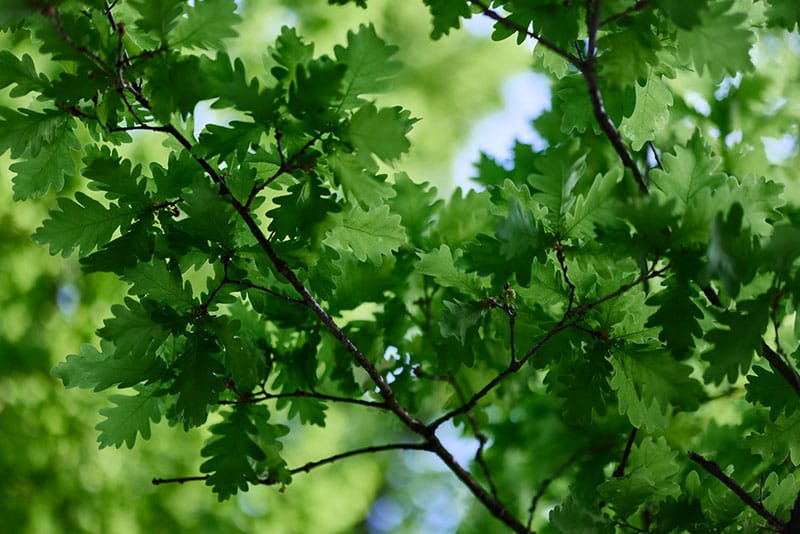
Take a closer look at how leaves are arranged on different trees. Some species, such as ash, horse chestnut, and sycamore, have leaves growing in opposite pairs along the stem, while others including oak, willow, and birch, have an alternating pattern, creating a zigzag effect.
Leaves can also reveal signs of the wildlife they support. Look out for chewed edges and irregular holes left by caterpillars, larvae, and beetles, and sticky patches left behind by aphids feeding
Sadly, Britain’s butterflies have declined significantly over recent decades, largely due to habitat loss, pesticide use, and climate change. Encouragingly, conservation efforts are beginning to make a difference, with some woodland species, such as the white admiral and the speckled wood, bucking the trend and expanding their ranges.
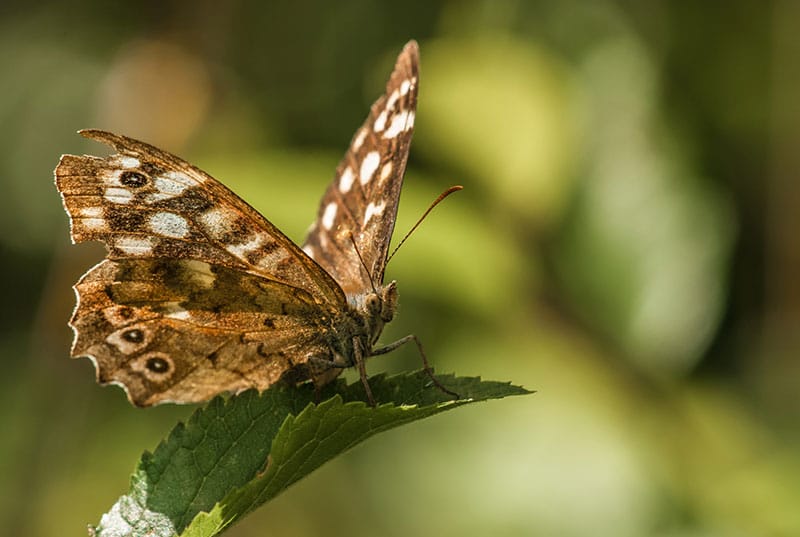
Many woodland butterflies belong to a group known as fritillaries, which typically have orange-and-black chequered wings and metallic markings on the underside, earning them the nickname “silverspots”.
The best places to spot butterflies are warm, sheltered areas where they can bask in the sun, such as glades, clearings, woodland tracks, and forest edges. They are especially drawn to nectar-rich plants, so keep an eye on bramble blossom. Woodland butterflies also feed on honeydew, a sticky, sugary substance produced by sap-sucking insects like aphids, but this is often found high in the canopy, so a pair of binoculars will come in handy.
Midsummer is not usually the best time to look for fungi, as hot, dry conditions can prevent them from fruiting. However, in the cool, damp shade of woodland, some species continue to thrive, growing on dead trunks, fallen branches, and among the leaf litter on the forest floor.
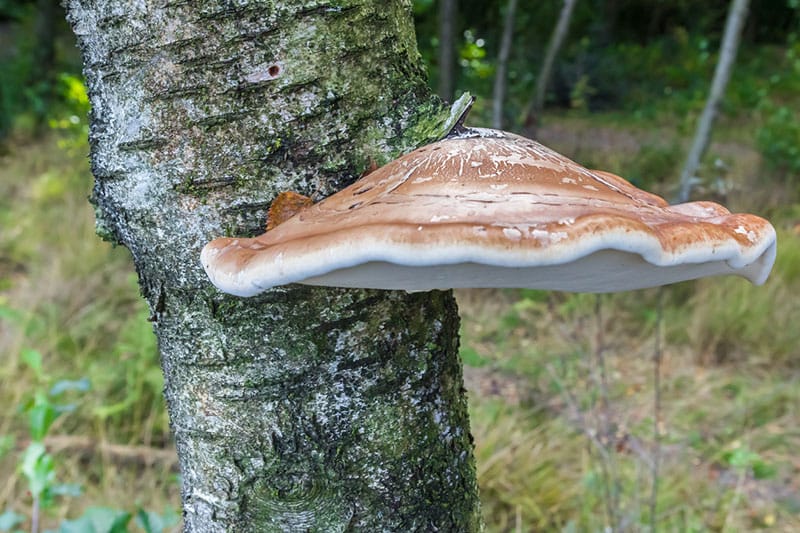
Keep an eye out for chicken-of-the-woods, a thick bracket fungus with bright yellow flesh found in oakwoods; the porcelain fungus, with a white, translucent, glossy cap seen in beechwoods; the rounded, leathery birch polypore, which as the name suggests only grows on beech trees; and chanterelles, a common edible mushroom prized by foragers, in broadleaved woodland.
Take care, though, as many summer fungi have similar lookalikes, and never eat any wild fungus unless you are absolutely certain of its identification.
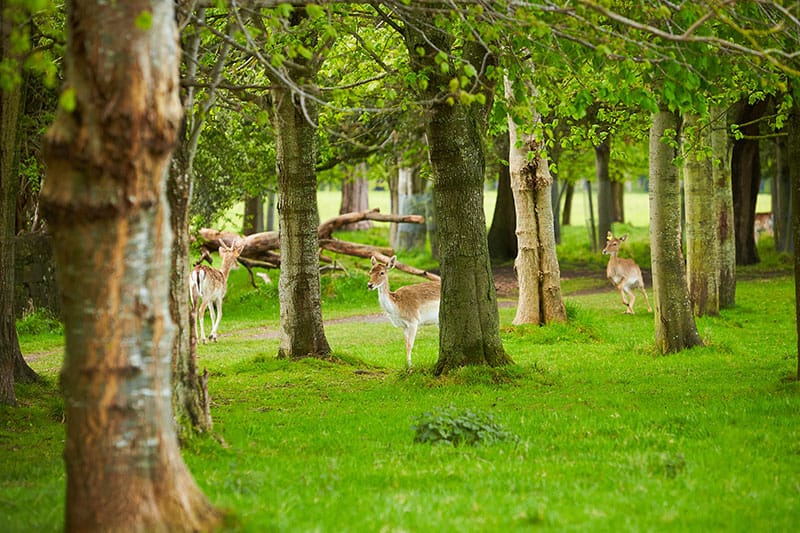
British woodlands in summer are a wonderful place to spot young wildlife as animals born in spring begin to venture out with growing confidence. Young deer, for example, are often seen lying quietly in undergrowth or on beds of leaves, where their mothers leave them hidden for safety. Early morning and dusk are the best times to look for badgers near the entrances to their setts, while fox cubs may be seen playfully exploring close to their dens.
There are plenty of young birds to look out for too, who often appear quite different from their parents, with duller plumage and a slightly scruffy look as their adult feathers come through. Look out for species such as blackcaps, great spotted woodpeckers, nuthatches, flocks of tits, and the tiny goldcrest, Britain’s smallest bird.
If you do come across a young animal, keep your distance and avoid disturbing it. Even if it appears to be alone, resist the urge to intervene, as the chances are its parents aren’t very far away.
Galls are unusual growths that form on plants when organisms such as insects, mites, fungi, bacteria, or viruses trigger abnormal cell development, by injecting eggs or chemicals into the plant’s tissues. They can appear in many forms, including small bumps, distorted lumps, hair-like tufts, or blister-like swellings.
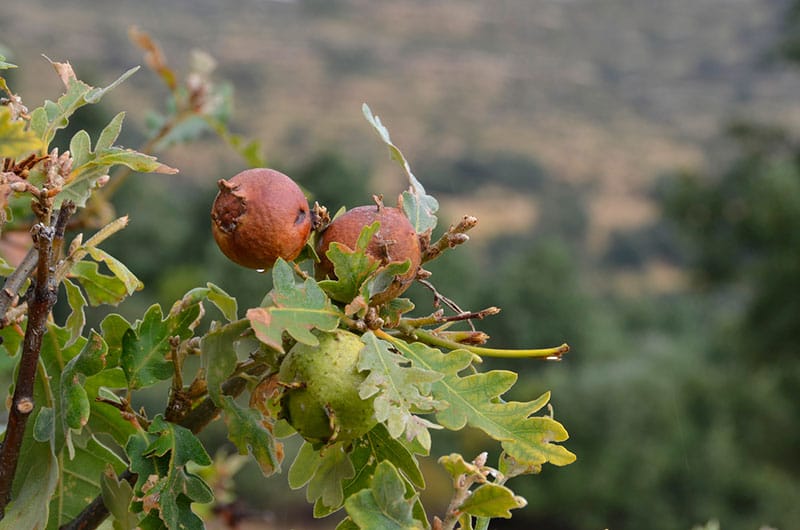
One of the most familiar examples in Britain is the oak apple gall, created by a gall wasp. In spring, the female lays her eggs inside a dormant leaf bud. When the larvae hatch, they release chemicals that redirect the plant’s growth, forming a protective gall instead of a leaf. They often fall to the ground in June, once the larvae have matured and are ready to emerge, although some remain on the tree and gradually become hard and woody.
Another type to look out for is known as a witches’ broom, a dense cluster of unusually small twigs and shoots growing from a single point, resembling a broom or a bird’s nest, typically caused by fungal, bacterial, or viral infections that disrupt the tree’s normal growth patterns.
Although spring is the peak season for woodland wildflowers, before the tree canopy becomes too dense, there are still many species that flourish in the dappled shade of summer.
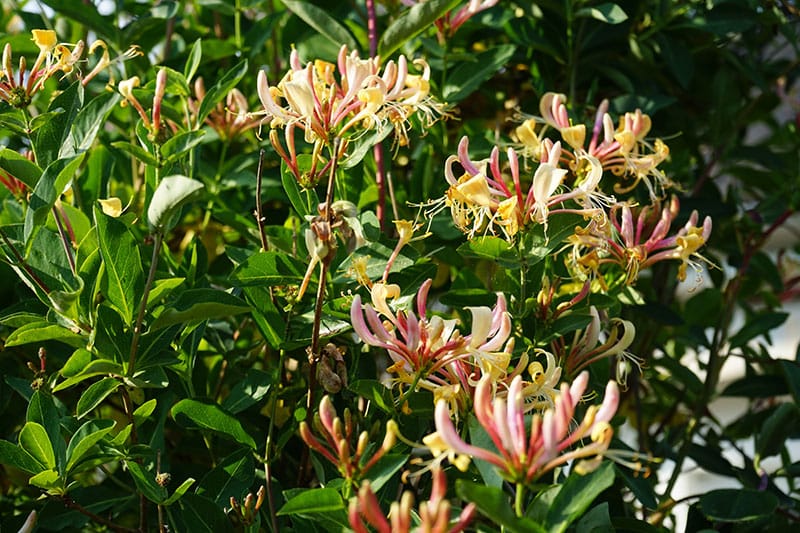
Look out for honeysuckle winding its way around tree trunks, its sweet, heady fragrance drifting on warm breezes. Along woodland rides, you’ll find the tightly packed, thistle-like purple flower heads of common knapweed, as well as the tall flower spikes of foxglove and greater butterfly orchids, which favour ancient woodland.
In wet woodland, one of Britain’s rarest habitats, keep an eye out for the red-tinged flowers of wild angelica and the golden blooms of marsh marigold growing on the boggy forest floor.
Remember, many wildflowers are protected species. No matter how tempting, it is illegal to pick or dig them up, so be sure to enjoy them where they grow.
Did you know that ladybirds are a type of beetle? There are around 4,000 species of beetle in the British Isles, and the ladybird is probably the most familiar. Often called the gardener’s friend, many species feed on aphids that damage plants, and they thrive just as well in woodlands where aphids are plentiful.
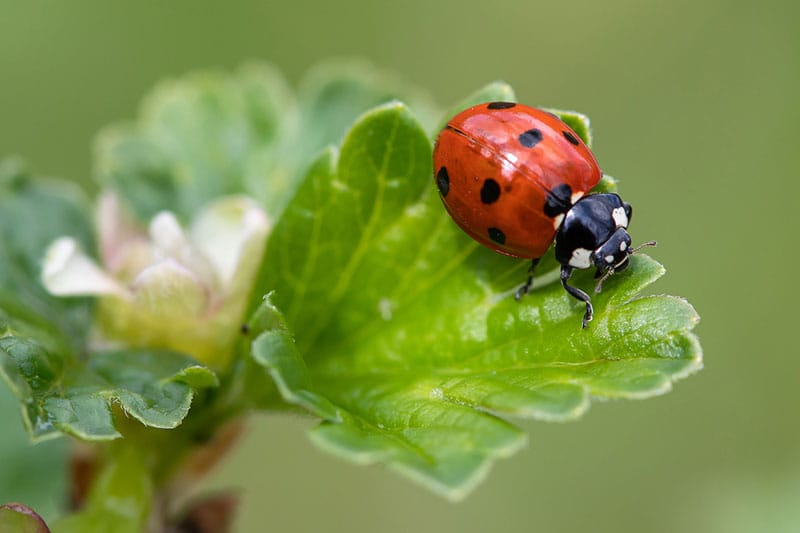
The seven-spot ladybird is one of the most common and easily recognised species, with its bright red wing cases marked by seven distinctive black spots.
Their bold colouring serves as a warning that they are not good to eat, although some birds may still take the risk. Ladybirds also have another clever defence: when disturbed, they release a pungent yellow liquid from their joints, which can deter predators, and may even stain your skin.
Although the peak breeding season has passed, many birds continue to sing well into the summer. Early morning remains the best time to enjoy birdsong, and as the days begin to shorten, you won’t need to rise quite so early to hear it.
Robins are among the few species in which both males and females sing year-round, using their song to defend territory. Wood pigeons and collared doves breed throughout the summer, and their gentle cooing can be heard drifting down from the treetops. Blackbirds, too, are known for their rich, melodious songs, especially at dawn and dusk during the warmer months.
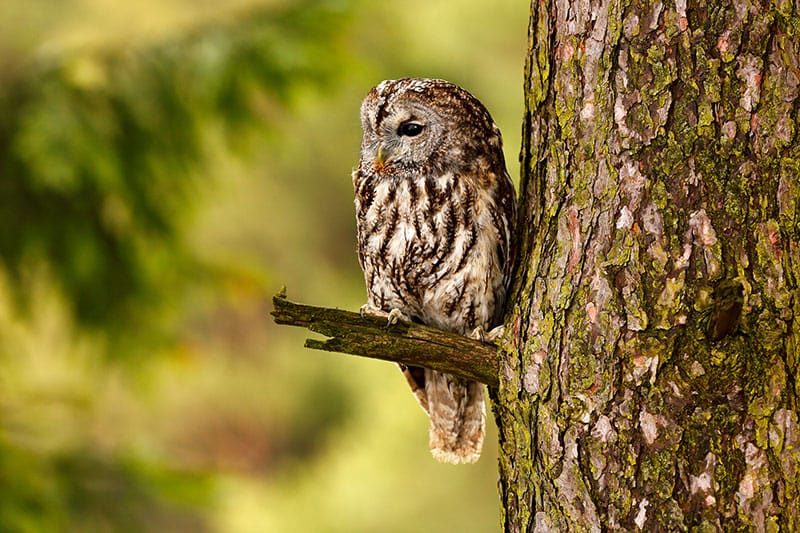
You may also hear alarm calls like the harsh screech of a jay or the manic, laughing call of the green woodpecker, known as a “yaffle”, which carry through the trees. As evening falls, listen for the classic “too-wit, too-woo” duet of male and female tawny owls as they head out to hunt beneath the canopy.
Summer is a great time to look out for spider webs, as spiders reach maturity and insect activity increases, and can be easier to spot when sunlight catches the fine silk. Pay attention to the different shapes and the places where they are found.
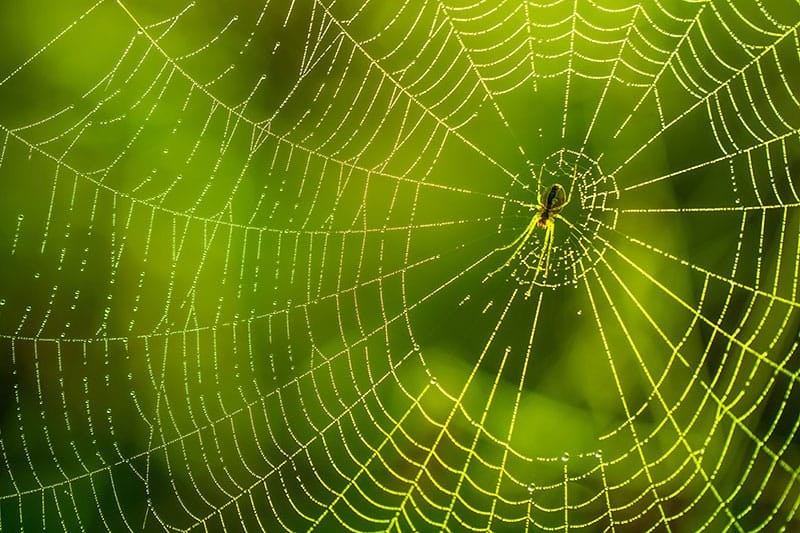
Orb-weaver spiders create the classic circular webs, often seen in the early morning when they are glistening with dew. Look out for them stretched across branches, clearings, and pathways to catch flying insects. Funnel weavers, by contrast, build flat, horizontal webs that lead into a hidden retreat, often low in vegetation or among brambles where crawling insects pass by. Money spiders spin delicate sheet webs, sometimes forming wide, silky blankets across the forest floor or low-growing plants, again designed to trap ground-dwelling insects.
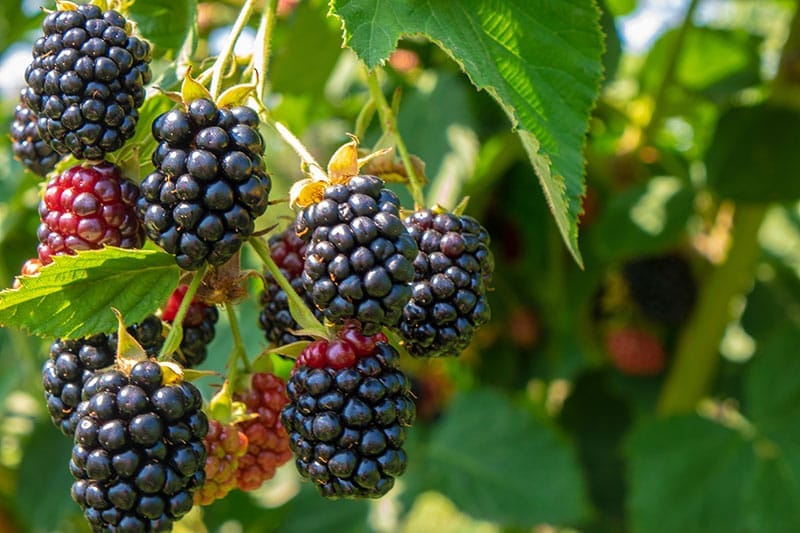
Late summer is an excellent time to forage for berries in woodland. Wild strawberries, which grow close to the ground, produce small but flavourful red fruits from May through to August. Bilberries, found in acidic woodland soils, ripen in July and August and make a delicious alternative to blueberries, perfect for pies or sauces. Wild cherries can also be found in many deciduous woods, although you’ll be lucky to beat the birds to them. While blackberries are most abundant in autumn, the first fruits often begin to ripen in late July.
Of course, not all woodland berries are safe to eat. If you’re unsure, it’s best to leave them – there’s plenty of wildlife that will gladly make use of them.