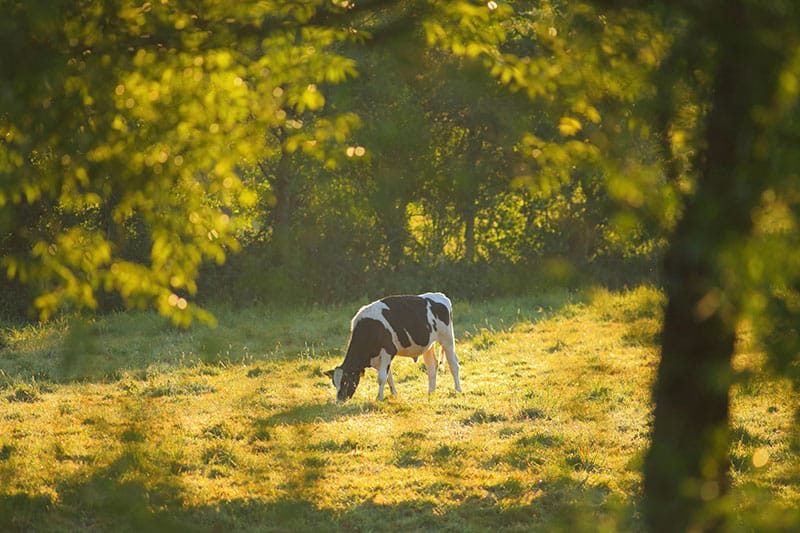
Every countryside adventure begins with a walk, but sometimes the walk itself becomes the adventure. Without a fixed destination, each turning is guided by curiosity as you choose whether to follow a well-worn footpath, make a beeline for a lone tree at the far edge of a field, or dive deep into a dense forest.
As you walk, stay aware of the sights and sounds around you, such as a bird’s persistent song, an insect crossing your path, or sunlight filtering through the trees and casting shifting shadows. Walking in the countryside is not only enjoyable but also beneficial. It can reduce stress, anxiety, and depression, while improving memory and concentration compared with walking in urban environments.
However you choose to walk, always follow the Countryside Code. And when you meet fellow walkers along the way, a friendly greeting is all part of the experience.
In late spring, ancient woodlands across the British Isles are transformed into seas of blue as bluebells burst into flower, filling the air with their sweet fragrance. Bluebells grow slowly, so their presence is a sign of truly ancient woodland, dating back at least 400 years. Woods with dense tree canopies produce the richest bluebell carpets, as the plants compete for the limited light that reaches the forest floor.
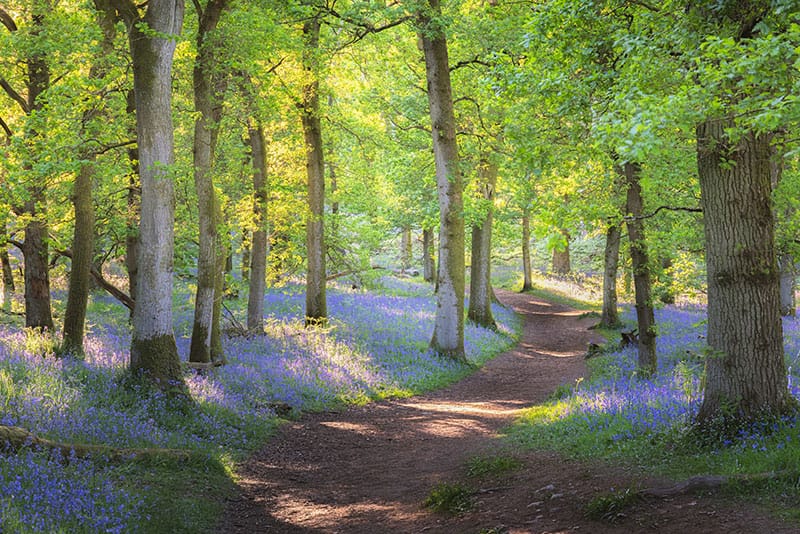
The best time to see a bluebell wood at its peak is between April and July. Popular locations can become very busy, so visiting early in the morning is often the best way to enjoy the spectacle without the crowds. Remember that bluebells are a protected species, and it is illegal to pick or dig them up. If you’re looking for inspiration, check out our guide to Britain’s best bluebell woods to find out where to experience these magical seasonal displays.
If you’ve ever wondered what lies beneath the surface of a pond, pond dipping is a fun and fascinating way to uncover its hidden life. All you need is a net, a shallow white tray, and a spoon. Fill the tray with a little pond water, then gently sweep the net through the pond in a figure-of-eight motion, exploring the surface, areas near vegetation, and the pond bed. After a few passes, carefully empty the contents of the net into the tray and see what you discover.
Common finds include dragonfly and damselfly nymphs, beetles, pond skaters, snails, leeches, and even frogs. If you spot something interesting, use the spoon to lift it up gently for a closer look. You might like to take a photograph or make sketch. When you’ve finished, carefully pour the water, along with all the creatures you found, back into the pond.
Poohsticks is a classic game invented by Winnie-the-Pooh in The House at Pooh Corner, written by A. A. Milne in 1928. The rules are simple: two or more players drop sticks from a bridge into moving water and race to the other side to see whose stick appears first downstream. The first stick to emerge wins.
Milne first played the game with his son, Christopher Robin, in Ashdown Forest in East Sussex. Posingford Bridge, near the village of Upper Hartfield, is widely regarded as the original location. Over time, it became such a popular tourist destination that the bridge began to wear down, prompting East Sussex County Council to appeal to Disney for support in funding its reconstruction.
Wild swimming is the practice of swimming in natural, open water. While many of us are familiar with swimming in the sea, it can be just as enjoyable to take a dip in the countryside, far from the coast. Suitable locations include rivers, lakes, lochs, and tarns, or anywhere with clean, slow-flowing water, and safe, easy access points.
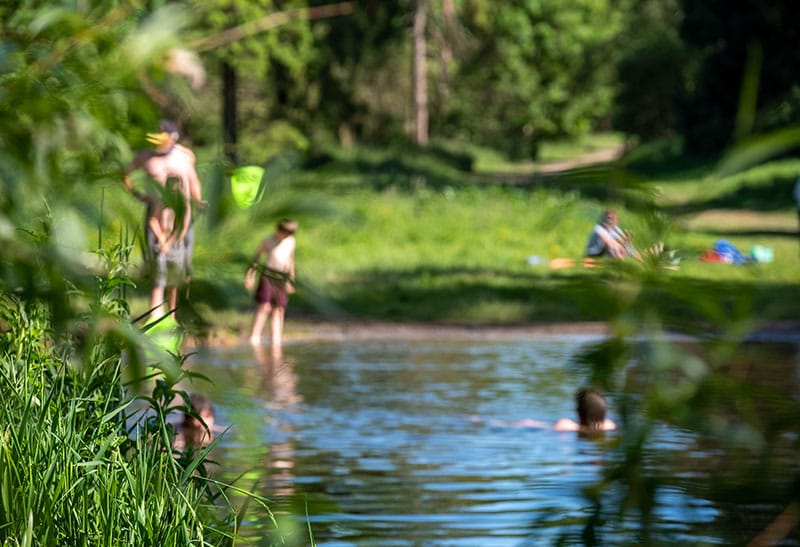
Swimming outdoors can help reduce stress, boost immunity, and improve mental wellbeing, but it’s important to take sensible safety precautions. Beginners should start during the summer months to become accustomed to colder water temperatures, and always check for currents, submerged obstacles, and water quality before entering. If a full swim feels daunting, a paddle is a refreshing way to cool down on a hot day. For an idea of where to go, take a look at our guide to some of Britain’s most beautiful wild swimming spots.
The dawn chorus is the natural symphony of birdsong that fills the air in the early morning, especially during spring and summer. As the sun begins to rise, birds sing to establish territories, attract mates, and communicate with one another. Each species has its own distinctive voice, from the rich, flowing notes of the blackbird to the robin’s clear, high-pitched warble and the chiffchaff’s repetitive call.
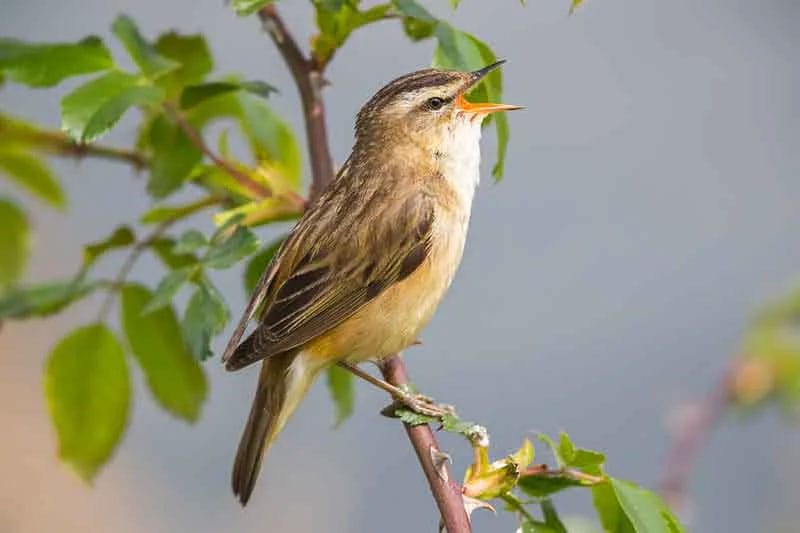
Set your alarm for just before sunrise, ideally around 5 am, when the chorus is at its most vibrant. By around 6:30 am the intensity begins to fade, though later risers can still enjoy plenty of birdsong as the morning unfolds.
The best conditions for experiencing the dawn chorus are dry mornings with clear skies and light breezes. Birds are less likely to sing in the rain, choosing instead to remain sheltered in their roosts to conserve energy.