Slow travel is one of the fastest growing trends in tourism evolving from a travel niche to a mainstream movement.
As travellers look for more sustainable and meaningful experiences over packed itineraries, the focus is shifting away from multi-destination trips and towards spending longer in one place, supporting communities, and experiencing destinations more deeply.
Rather than rushing between attractions for social clout, slow travellers focus on the quality of the trip, the local culture, and a stronger connection to the environment.
In the British Isles, farm stays offer one of the best ways to embrace this approach. Combining seasonal food, rural landscapes, outdoor activities and authentic cultural experiences, they tick almost every box on the slow traveller’s wish list.
One of the key principles of slow travel is reducing the urge to constantly move on to the next big thing. Instead of a whirlwind tour of multiple attractions and landmarks, slow travellers choose a single base and explore the surrounding area at a more relaxed pace.
Farm stays are ideally suited to this approach. Many are located in some of the most beautiful landscapes in the British Isles, from the stunning mountain scenery of the Scottish Highlands and the Lake District to Pembrokeshire on the south coast of Wales and the rolling green hills of the Cotswolds.
With walking routes, cycling trails, beaches, nature reserves, historic market towns, and picture postcard villages all within easy reach, guests can spend several days exploring a region without spending hours travelling. The result is a lower carbon footprint and a far richer understanding of the local area.
Food plays a central role in the slow travel philosophy. Increasingly, travellers want to know where their food comes from, how it was reared or grown, and who produced it.
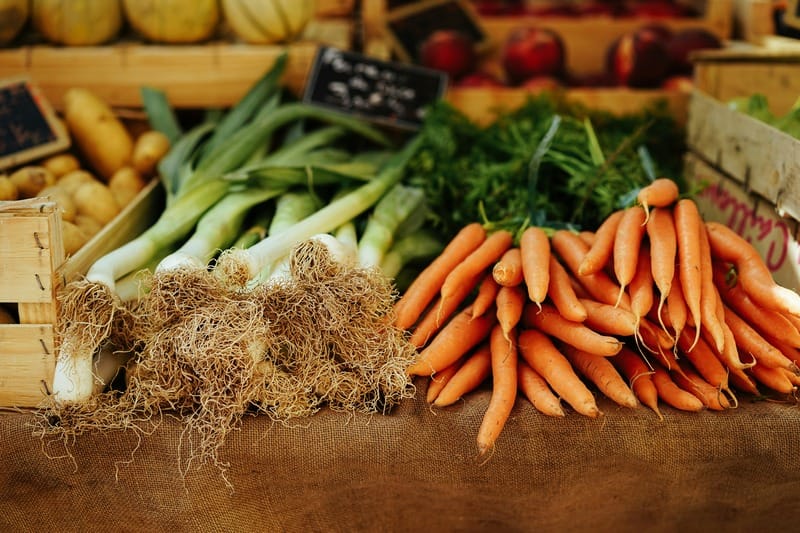
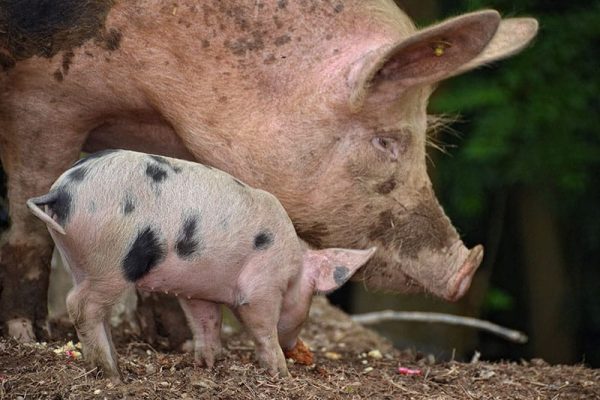
Farm stays offer a unique opportunity to connect directly with the source of food. Guests may see livestock grazing in nearby fields, learn about crop production, visit kitchen gardens, or purchase produce directly from the farm.
Many farm stays also provide access to local food networks, including farm shops, farmers’ markets, artisan producers, and field-to-fork cafes and restaurants. Staying on a farm means it’s simple to avoid the tourist traps, supermarkets, and mass-produced meals, and instead eat what’s fresh and in season.
The British Isles produces a wonderful range of food from Welsh lamb and Scottish beef to Cornish seafood or Herefordshire cider. Regions produce their own speciality cheeses, honeys, and baked goods, allowing visitors to gain a deeper appreciation of food traditions and culinary history.
Slow travel encourages visitors to spend money within local communities rather than relying solely on large national or international tourism businesses.
Staying on a farm naturally support this objective. Many are family-owned enterprises that contribute directly to rural economies, creating jobs and reinvesting revenues into local suppliers such as feed stores, processing plants, and equipment manufacturers.
Farms that have diversified into agritourism have an additional income stream to help sustain rural communities while preserving traditional skills, local heritage, and agricultural landscapes that might otherwise struggle to survive.
Guests staying in a rural region with no direct access to large public transport hubs are also more likely to visit independent cafés, village pubs, local markets, craft producers, and farm shops during their stay.
A growing number of travellers are looking for holidays that offer more than sightseeing alone, and learning a new skill is increasingly seen as an important part of meaningful travel.
Many farm stays across the British Isles provide opportunities to experience activities that visitors may never encounter in everyday life. Depending on the location, guests may be able to participate in foraging walks, heritage craft workshops, cookery classes, beekeeping demonstrations, gardening experiences, or wildlife conservation projects.
Hands-on activities like this create a stronger connection to the destination and can leave a more lasting impression than simply visiting a tourist attraction.
Digital detoxing has become an increasingly important aspect of slow travel. With many people spending much of their daily lives connected to screens, holidays offer an opportunity to switch off from constant notifications and reconnect with the physical world.
Rural farm stays provide the perfect environment for this. While most offer modern comforts, their locations naturally encourage guests to spend more time outdoors and less time online.
Instead of scrolling through social media, visitors can watch wildlife, explore footpaths, enjoy a countryside picnic, or simply appreciate the rhythms of rural life.
If you’re concerned that you won’t be able to resist the temptation to connect to WiFi, we have a collection of farm stays without connectivity.
Sustainability is a major driver behind the growth of slow travel. Travellers are increasingly looking for holidays that minimise environmental impact while supporting conservation and responsible tourism.
Many farm stays actively embrace sustainable practices, including renewable energy generation, habitat restoration, regenerative farming, biodiversity projects, and low-waste operations.
Even the choice of accommodation on a farm stay can be inherently sustainable. A repurposed structure like a barn conversion, for example, can be more eco friendly than building a home from scratch due to the embodied carbon and lack of waste from construction, while their large footprints make them ideal for integrating solar panels or heat pumps.
By staying in one location for longer and participating in local activities rather than extensive travel, visitors can significantly reduce the environmental impact of their trip while contributing positively to the local area.
The landscapes of the British Isles are ideally suited to slow exploration, and farm stays place visitors at the heart of nature environments, with direct access to footpaths, bridleways, waterways, and cycling routes.
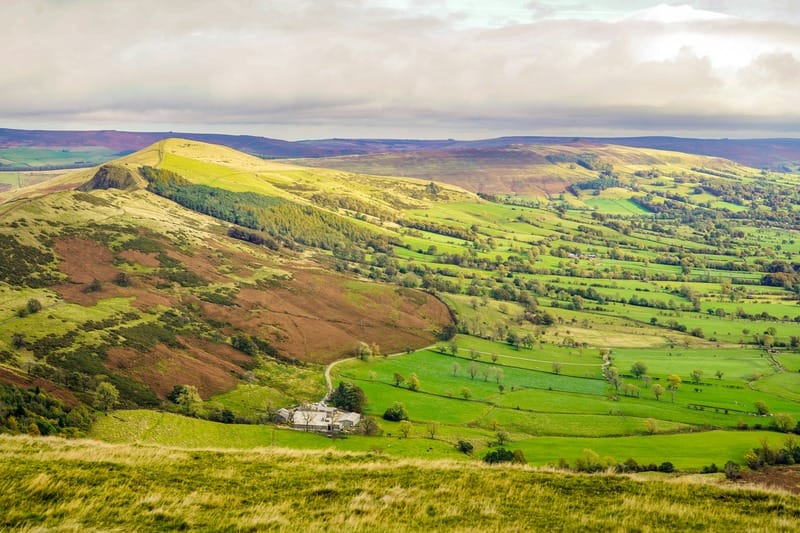
Walking remains one of the most popular slow travel activities, allowing visitors to appreciate local scenery, wildlife, and heritage at a pace that would be impossible by car. Cycling offers a similar experience while enabling travellers to cover greater distances sustainably.
Many farm stay locations also offer opportunities for kayaking, sailing, wild swimming, climbing, and wildlife watching nearby. Activities like these encourage a deeper connection with the natural environment while avoiding the high environmental costs associated with many forms of tourism.
The goal of slow travel is not only to move more slowly but also to engage in a more meaningful way with a destination.
Farm stays provide a gateway to the culture, traditions, and history of rural Britain. Guests can discover local festivals, agricultural shows, village fetes, traditional crafts, historic sites, and regional food customs that rarely feature in mainstream tourism itineraries.
Ask your host or check the parish council notice board for events taking place while you’re there. By spending time within local communities rather than passing through them, travellers gain a better understanding of the people and traditions that shape each region.
Slow travel encourages people to engage with the natural rhythms of a destination rather than expecting the same experience all year round. And one of the pleasures of a farm stay is experiencing the changing seasons. Visitors might watch lambing in spring, enjoy wildflower meadows in summer, harvest produce in autumn, or explore frost-covered landscapes in winter.
Guests may even find themselves getting up earlier than they usually would as their body clock aligns itself with the sun. Make the most of that early morning light by going outside for half an hour or so to help stop melatonin production and signal to your brain that it is time to be awake
The principles of slow travel are all naturally embedded within the farm stay experience.
For travellers seeking a more meaningful way to explore the British Isles, farm stays offer a fantastic opportunity to experience the countryside through the lens of the peoplbe who live and work there, creating a holiday that is both enriching and environmentally responsible.
As slow travel continues to grow in popularity, farm stays are increasingly becoming one of the most authentic ways to experience the landscapes, culture, and food traditions of the British Isles.
Ready to slow down? Browse our collection of British farm stays to find your perfect break.