One of the biggest attractions of a holiday on a working farm is the opportunity to get close to the animals, experience daily farm life, and sometimes get hands-on with their care, offering a far more authentic experience than simply seeing animals in a zoo.
Throughout the year, visitors can see how farm life changes with the seasons, and depending on when you visit, you may also have the chance to meet newborn animals and young livestock.
We offer a wide range of farm stays with animals, and the guide below will help you discover the different animals you might meet and the ways you can get involved during your stay.
In the British Isles, sheep are farmed primarily for meat production and are highly valued for their ability to convert rough pasture and grass into high-quality agricultural products with relatively low grain input compared with other livestock.
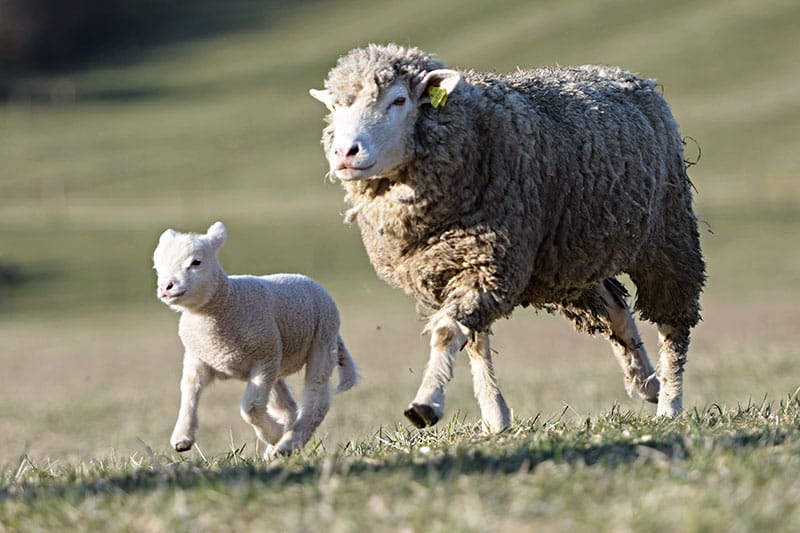
Farmers use a stratified, three-tier system that matches sheep breeds to the landscapes and conditions best suited to them. Hardy breeds are kept on hill farms, then moved to upland farms where they are crossed with long-wool breeds. Their offspring are then taken to lowland farms, where lambs are bred for meat production. The system provides a reliable supply of hardy commercial crossbred ewes capable of producing premium-quality lamb.
Because sheep must be shorn annually, wool is an important secondary product of meat sheep farming. It is used in clothing, textiles, carpets and flooring, insulation, bedding and mattresses, as well as craft materials.
A small number of farms keep sheep for milk production. Sheep’s milk has a rich, sweet flavour similar to full-cream cow’s milk and is used to make a variety of dairy products, including cheeses such as Spenwood, Wigmore, and Berkswell.
Staying on a sheep farm offers visitors the chance to see sheep grazing in the fields for most of the year, although some lowland flocks are housed indoors during winter. Spring is an especially popular time to visit, when newborn lambs can be seen taking their first unsteady steps or playing in the fields. Guests may even have the opportunity to watch lambs being born or help bottle-feed orphaned lambs.
Summer is another excellent time to visit, as many farms shear their sheep during this season, and visitors may be able to watch sheepdogs working with the flocks, herding them between pastures. Some farms hold special sheepdog demonstrations, showcasing the remarkable skill and training of the dogs as they respond to their shepherds’ commands.
Cattle are reared for both commercial milk and beef production and play an important role in sustainable agriculture and land management.
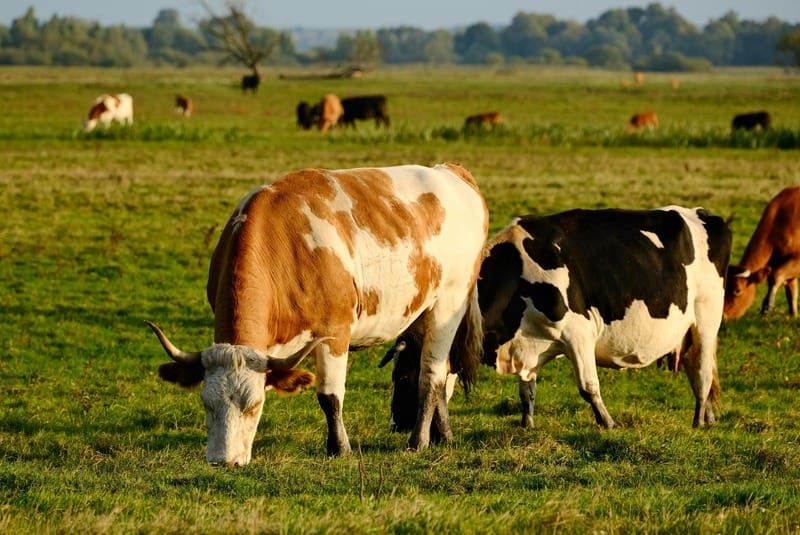
The most common dairy breed in Britain is the black-and-white Holstein Friesian, which makes up more than three-quarters of the national dairy herd and is renowned for producing exceptionally high volumes of milk. Other dairy breeds include the light-brown Jersey, the tan-and-white Guernsey, known for its distinctive golden-yellow milk, and the hardy red-and-white Ayrshire, valued for producing excellent drinking milk.
Most dairy cows spend the spring and summer grazing outdoors before being brought indoors during the winter months. Although calves are often associated with springtime, many dairy farms calve throughout the year to ensure a consistent supply of milk.
Guests staying on a dairy farm may have the opportunity to watch the cows being milked, a process that usually takes place twice a day, early in the morning and again in the afternoon. Depending on the time of year, visitors may also be able to see calves being born or help with feeding duties.
On beef farms, visitors may encounter breeds such as Aberdeen Angus, prized for its highly marbled meat; Limousin, a French breed known for its muscular build and lean meat; and Hereford, a hardy breed valued for its easy management and excellent grazing ability.
Like dairy cattle, most beef cattle spend the spring and summer outdoors in pasture and are housed in barns during winter. A significant proportion of beef cattle originate from the dairy industry, while others are bred specifically for beef production. Beef cattle typically calve in spring or autumn, and visitors may again have the chance to witness calves being born or assist with feeding.
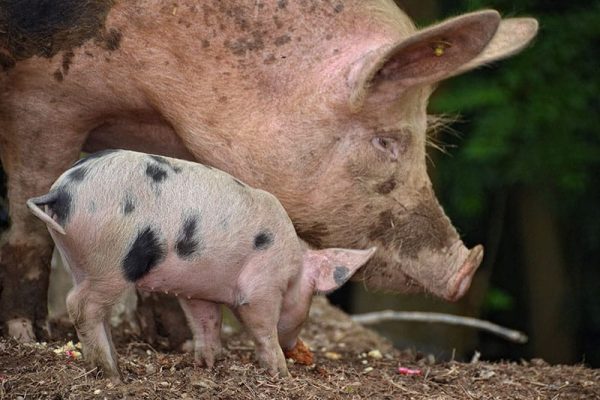
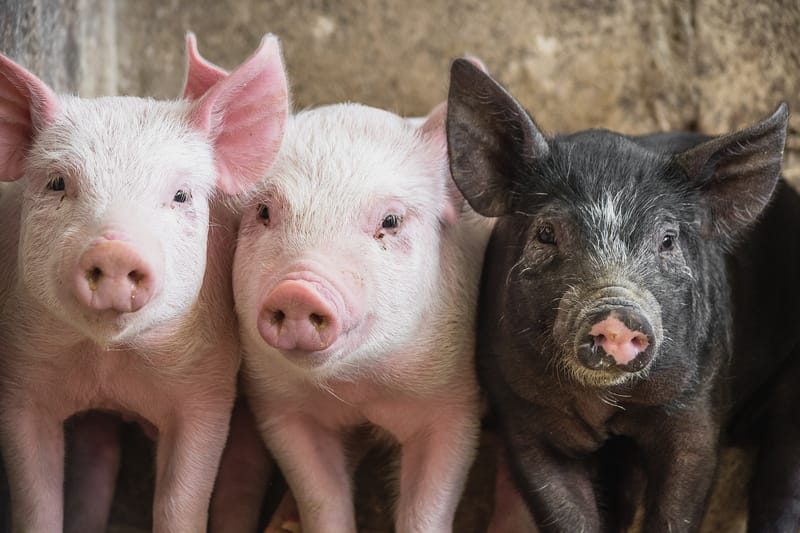
Pigs are primarily reared for domestic meat production, producing products such as pork, ham, bacon, and sausages, although some are also kept as pets or used for land management and woodland clearance. On larger commercial farms, the breeds most commonly encountered include the Large White, originally developed in Yorkshire and widely used in crossbreeding programmes, and the British Landrace, a pink-skinned breed that forms the backbone of the British bacon industry.
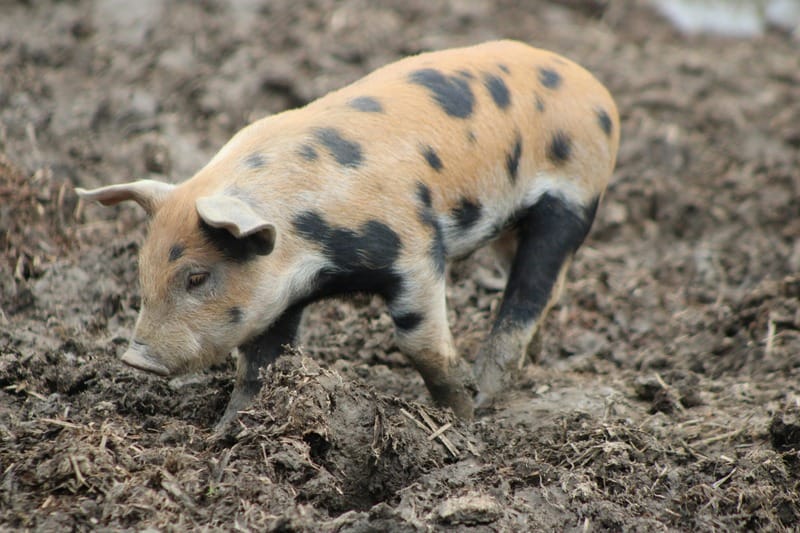
Traditional native breeds are especially popular with smallholders and artisan producers, including the Gloucestershire Old Spots, British Saddleback, Oxford Sandy and Black, Tamworth, and Berkshire.
Pigs may be kept both indoors and outdoors. Around half of breeding sows are raised outdoors, while the majority of pigs reared for meat are housed indoors. Smaller farms are more likely to keep pigs outside all year round, and some allow them to roam freely through woodland, where they can forage naturally for acorns, beech mast, roots, and insects.
Piglets are born throughout the year, although many farms plan farrowing for spring or autumn. Guests staying on a pig farm may have the opportunity to help with feeding, mucking out, or socialising the animals.
One common concern about staying on a pig farm is the smell. While pig farms can produce strong odours, this is largely dependent on how the farm is managed. A well-maintained pig farm should smell no worse than most other livestock farms. Unpleasant odours are usually caused by poor drainage, inadequate ventilation, or low-quality feed, all of which can be reduced through good farming practices. If you are considering a stay on a pig farm but are worried about the smell, it is worth reading guest reviews before booking.
As well as supplying meat commercially, many pig farms produce their own home-reared pork products. Some also offer culinary workshops where guests can learn traditional skills such as sausage making, butchery, curing, and smoking meat.
Although goats are not farmed on the same scale as other livestock, many farms and smallholdings keep them for milk, meat, fibre production, and land management.
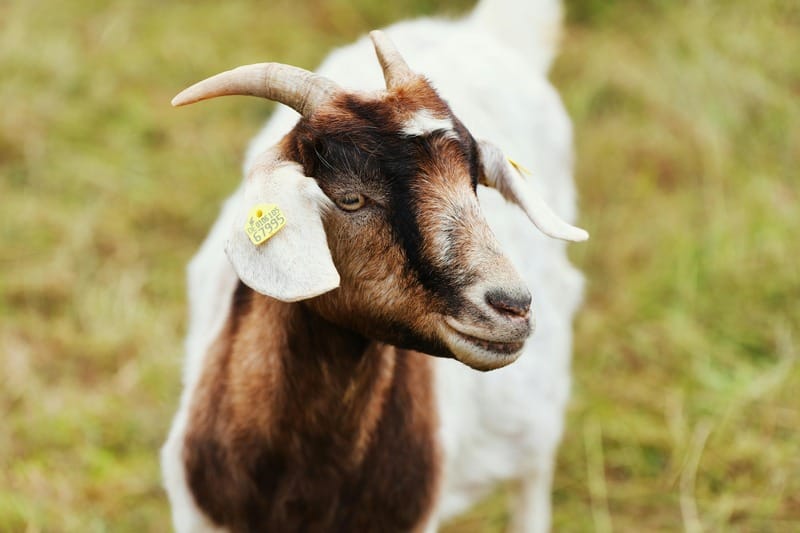
Goat’s milk has become an increasingly popular niche product in the UK, valued by many as a healthy alternative to cow’s milk. While some commercial dairy goat herds number in the hundreds, smaller farms often turn their milk into high-quality artisan cheeses and yoghurts, which are sold directly from the farm, at farmers’ markets, or through local farm shops.
Goat meat, known as chevon or kid, is also growing in popularity as changing culinary tastes and interest in leaner, more sustainable meats continue to increase demand.
Some double-coated goat breeds, such as Bagot goat and British Primitive Goat, are kept for their soft undercoat fibres, which can be harvested to produce luxury wool products similar to cashmere or mohair.
Goats are also highly effective for managing scrubland and overgrown habitats. Unlike sheep or cattle, which graze on grass, goats are natural browsers and instinctively feed on woody weeds, shrubs, saplings, brambles, and briars, which makes them particularly useful for conservation grazing and vegetation control.
Smaller breeds such as Pygmy goat are often kept simply as pets, companions, or educational animals. Their friendly and curious nature makes them especially popular with children, who will enjoy the opportunity to pet and feed them.
Compared with other types of livestock farms, poultry farms can be noisier and produce stronger smells, which is why farm stays on dedicated poultry farms are relatively uncommon.
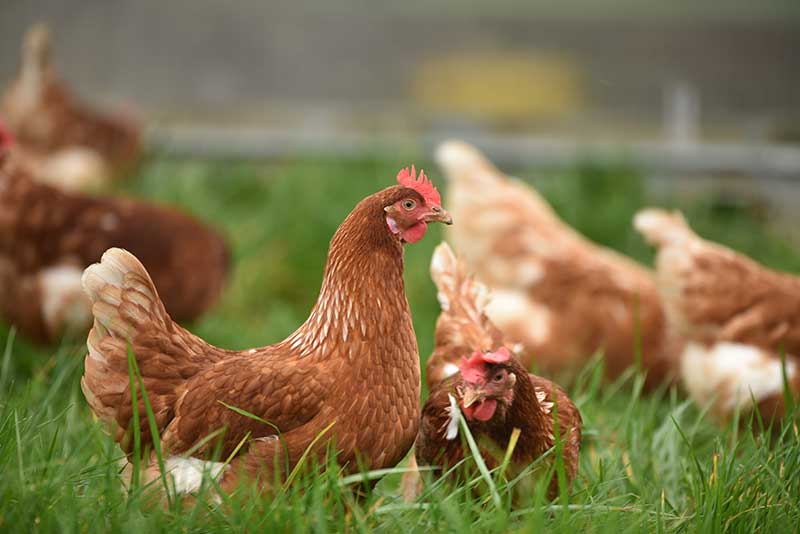
Chicken is the most widely consumed meat in the UK, and the average person eats more than 200 eggs each year, creating a huge demand for poultry products. Producing poultry, particularly broiler chickens for meat, offers farmers a faster and more predictable return than livestock such as cattle or sheep. Many farms also keep poultry alongside arable or horticultural operations, as poultry manure provides an effective organic fertiliser while the birds help control pests and weeds in orchards and free-range pasture systems.
Although guests are unlikely to be directly involved with large commercial poultry operations, many farms keep small flocks of hens, ducks, or geese to provide fresh eggs for the family or for sale at the farm gate or through local farm shops.
Visitors may have the chance to collect eggs themselves or help out at feeding time, and freshly laid eggs are often included in welcome hampers for guests.
It is also common for hens, ducks, and geese to roam freely around the farm grounds, so don’t be surprised if a few feathered visitors wander over to your accommodation. If you are bringing your dog on holiday, it is important to keep it under close control outdoors to prevent it from chasing or disturbing the birds.
Farms and rural estates keep pheasant, partridge, and grouse to support the commercial game shooting industry. Landowners either breed or purchase these birds before releasing them into the countryside, where they are later hunted by paying recreational shooters during the autumn and winter months. Game shooting is a major rural industry, with estates charging visitors, known as “guns”, for the opportunity to shoot over their land.
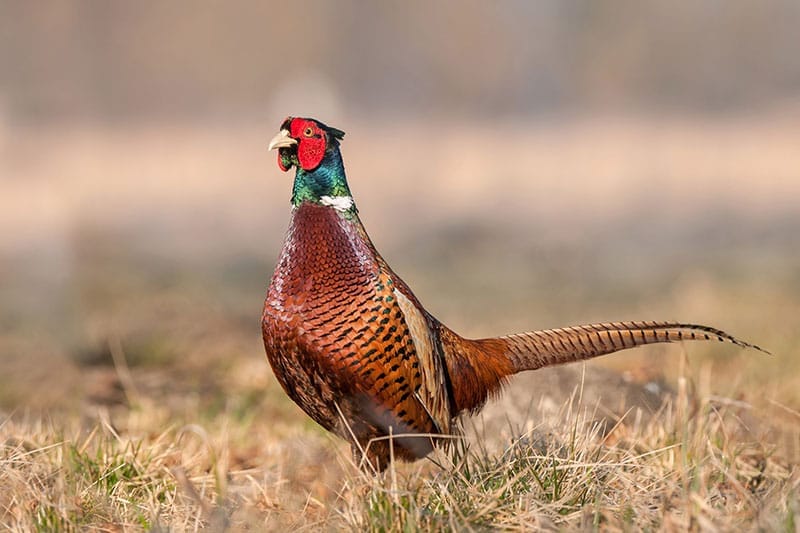
The game farming year begins in February, when breeding birds are penned for mating and egg production. From April onwards, eggs are collected daily and hatched in incubators. The chicks are then reared in purpose-built shelters, where they are provided with carefully managed food, water, grit, and shelter.
As the young birds grow, they become known as “poults” and are gradually introduced to outdoor runs, which allows them to adapt to natural conditions and develop the strength and resilience needed for life in the countryside.
By August, when the birds are around eight to ten weeks old, they are moved to shooting estates, where gamekeepers take over their care and release them into suitable habitats.
The shooting season begins a few months later and remains an important part of rural life throughout the winter. Birds shot during organised shoots enter the food chain, although not all released birds are harvested. Many survive in the wild, and some will breed naturally the following spring, contributing to local wild populations.
Guests staying on a game farm or country estate may have the opportunity to help feed the birds, particularly once they are moved outdoors. Some estates also offer visitors the chance to take part in a shoot. Anyone wishing to do so will need the appropriate licences, insurance, and either their own shotgun or a pre-arranged hire. It is also important to confirm that secure, police-approved gun storage is available at the property, either within the accommodation itself or in the main farmhouse.
Peafowl are native to the Indian subcontinent, South East Asia, and parts of Africa. They were first introduced to Britain during the Roman period as ornamental birds and as a luxury food. Although their numbers declined after the Roman withdrawal, the Normans later revived their popularity, and peafowl became a familiar feature of medieval estates, manuscripts, and grand banquets. Further introductions during the 19th century led to feral populations becoming established in parts of the British countryside.
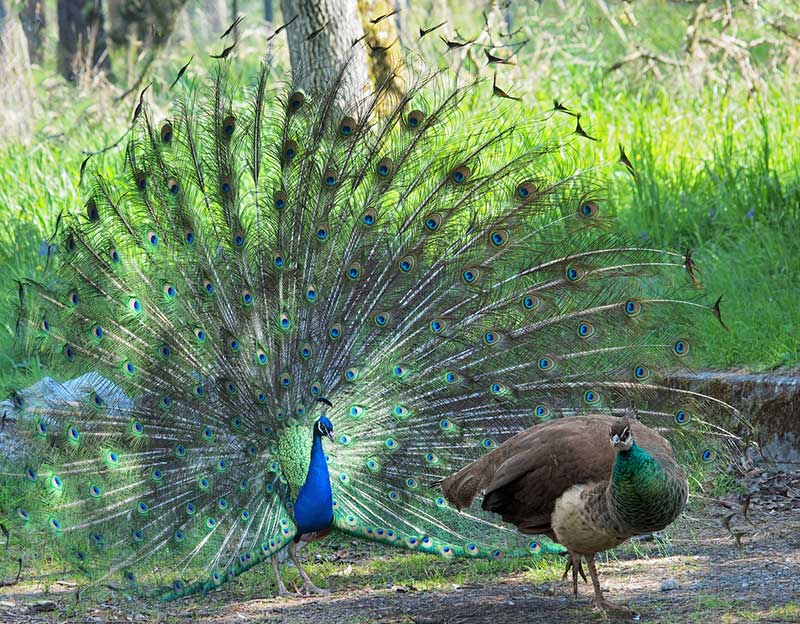
While a small number of specialist farms in the UK breed peafowl commercially for birds and eggs, some farms keep small flocks for practical purposes. Peafowl are highly territorial, and their loud, distinctive calls can act as a natural alarm system, alerting farmers to intruders or predators. They also help with pest control by feeding on insects, ticks, and small rodents around farmyards and livestock areas.
For most farms, however, peafowl are kept simply for their beauty and character, delighting visitors by the sight of the males displaying their spectacular iridescent tail feathers, adding colour and a sense of grandeur to the farm environment.
Although horses are no longer widely used for traditional farm work such as ploughing fields, hauling goods, or powering mills and threshing machines, they remain an important part of rural life, and many farms continue to keep them for both commercial and personal purposes.
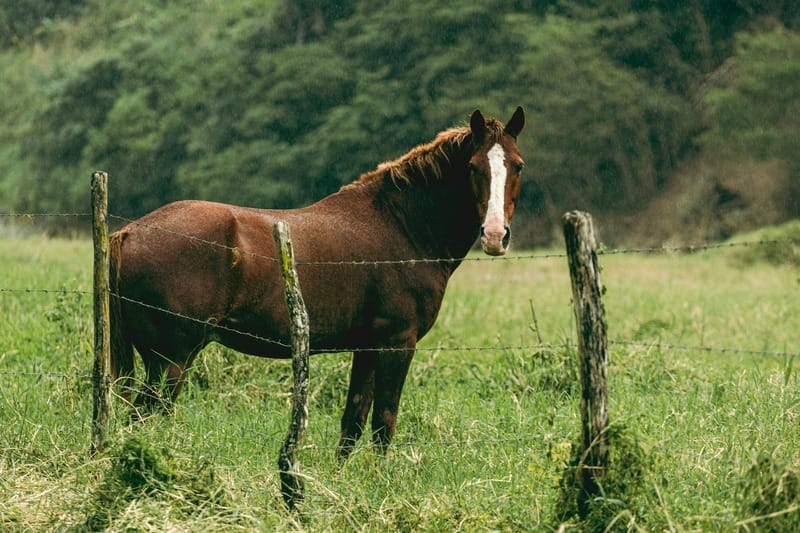
While tractors now carry out most agricultural work, some farms and estates still use heavy horse breeds such as Shire horse and Clydesdale horse for specialist tasks. In environmentally sensitive woodlands or on steep terrain, horses are often preferred because they are gentler on the soil than heavy machinery and can work in confined spaces with minimal damage to the landscape.
Horses also play a useful role in pasture management. Because they graze differently from cattle and sheep, rotating horses between fields can help maintain grass quality and reduce the spread of certain parasites.
Many farms have diversified by converting former agricultural buildings and land into equestrian facilities, creating additional income through livery services, riding lessons, and equine therapy programmes. Others keep horses simply for pleasure riding, rural transport, or competitive activities such as showjumping, dressage, and eventing. Smaller breeds such as Shetland pony are also popular as family pets and are often a favourite attraction for visitors.
Some rural estates operate as stud farms, specialising in the selective breeding and rearing of horses for racing, showing, or work. They carefully manage bloodlines by pairing elite mares and stallions to produce strong, well-bred offspring.
If you would like to bring your own horse on holiday, a farm stay can be an excellent choice. We offer a wide range of farm accommodation with stabling facilities, paddocks, grazing, turnout areas, and manèges. Some farms also provide riding lessons, horses for hire, and easy access to excellent hacking routes through the surrounding countryside.
Farmers keep dogs for many different reasons including as family pets. Working dogs are most commonly used for herding livestock such as sheep and cattle, helping farmers gather animals scattered across hillsides and fields, move them along tracks, and guide them safely into pens or enclosures. Breeds like the Border Collie is especially valued for its intelligence, agility, and ability to respond quickly to commands.
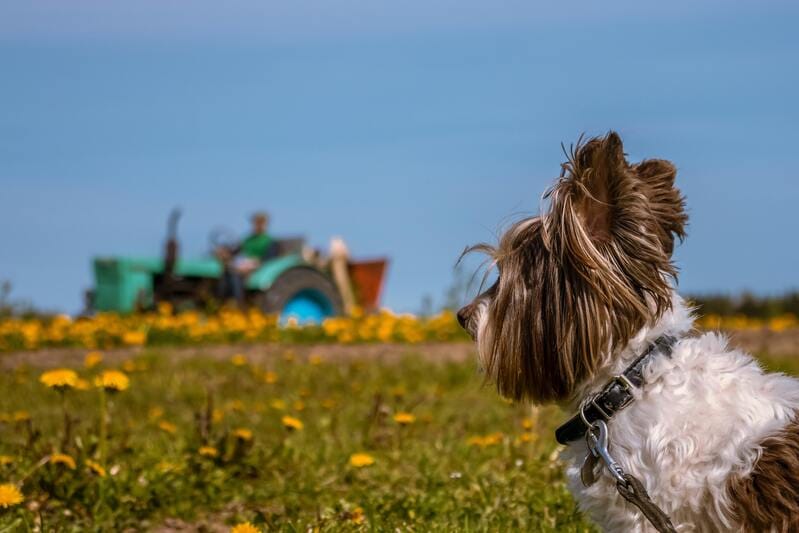
Some farms also use livestock guardian dogs, although they are less common in the UK than in countries with larger natural predators. They help protect livestock from threats such as foxes, stray dogs, and birds of prey including sea eagles.
Dogs are also important for pest control on farms. Breeds such as terriers, labradors, and spaniels are used to catch rats, flush rabbits and pigeons from barns and vegetation, and help detect invasive pests and predators.
Similar breeds are trained as gun dogs, working alongside gamekeepers to locate, flush, and retrieve game birds such as pheasant and partridge during shoots. They are highly loyal, often travelling with farmers in vehicles as they check crops, fences, and livestock across the farm. Farming can sometimes be an isolating profession, and many farmers value the companionship and support their dogs provide throughout the working day.
If you are not especially comfortable around dogs, a farm stay can still be a positive experience. Farm dogs are often exceptionally well-trained, calm, and well-socialised due to the important jobs they perform. Spending time around them can be a good way to become more confident with dogs and overcome common fears or misconceptions.