When most international travellers imagine a trip to the UK, they probably picture iconic landmarks, bustling cities, and historic attractions. While places like London, Edinburgh, and York, certainly deserve their reputation, there’s another side of the UK that offers something far more immersive, authentic, and memorable; the great British countryside. And one of the best ways to experience it is by staying on a farm.
In Italy, the concept of agriturismo is well established and has been formally regulated by state law since 1985. It was originally designed to support remote rural communities by allowing small, family-run farms to welcome visitors into their farmhouses. Guests can enjoy accommodation, home-cooked meals, and activities such as cooking classes, vineyard tours, and olive oil tastings. While visitors are not permitted to exchange farm labour for their stay, many properties offer workshops where guests can learn about traditional farming techniques.
To qualify as an agriturismo and receive official recognition, a property must remain a working farm, with agriculture as its primary source of income. Approved farms are also assessed and graded based on comfort, the range of services offered, and the quality of the surrounding natural environment.
Although the criteria are not based on luxury, many agriturismi have evolved far beyond simple farmhouse lodgings or annexes with shared meals. Today, some offer a full suite of amenities, including private villas, swimming pools, spas, and on-site restaurants serving refined, farm-to-table cuisine paired with local wines.
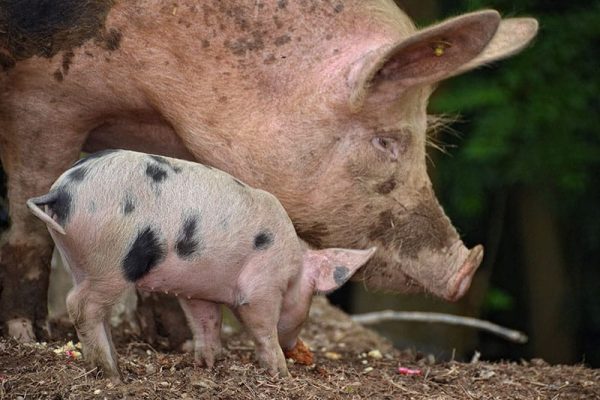
Farm stays in Britain are broadly similar in spirit, though they are not formally regulated and do not require agriculture to be the main source of income. In recent years, economic pressures such as low profitability and reduced subsidies, combined with growing demand for rural tourism, have encouraged many farms to diversify into hospitality. That said, farmers have long played a role in tourism through traditional bed-and-breakfasts, where guests might enjoy eggs straight from the coop and bacon from a pig reared on the farm.
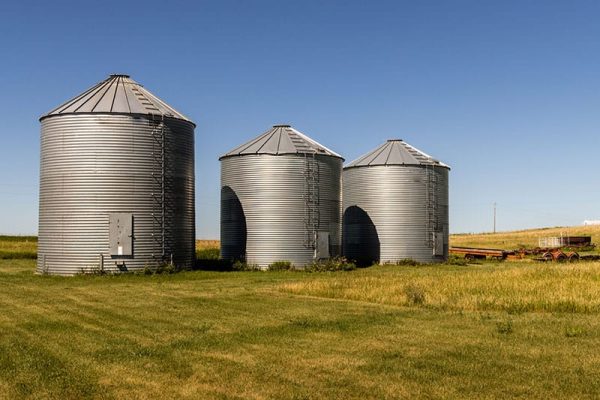
At British Farm Stays, accommodation is all self-catering, with guests staying in cottages, barn conversions, farmhouses, or lodges located at the heart of working farms. There are also glamping options for a more rustic experience, alongside a range of unique stays, including converted grain silos, horse boxes, chapels, and Hobbit-style burrows.
Compared with staying in a typical tourist destination, a farm stay offers a far more genuine insight into both historic and contemporary British life. Hotels, guided walks, and coach tours can feel carefully curated, and while they offer comfort and convenience, they often lack true authenticity.
Around 80% of Britain’s land is classified as rural, although it is home to only about 20% of the population. Despite this, the countryside has long played a vital role in the UK’s economy and has shaped its cultural identity in many ways.
Staying on a working farm allows international visitors to go beyond the usual tourist hotspots and engage with traditions that have defined British life for generations. Many farming families have acted as custodians of the land for centuries, offering a direct link to the past.
Beyond day-to-day farm life and nearby villages, guests can discover layers of history embedded in the landscape, such as prehistoric settlements, Anglo-Saxon churches, grand Georgian country houses, and the remnants of industries like the medieval wool trade and early 20th century coal mining. These kinds of details are rarely mentioned in guidebooks but are essential to understanding how modern Britain has been shaped.
Wildlife is another highlight. Increasingly, farms are partnering with conservation organisations to adopt sustainable and regenerative practices that support biodiversity. As a result, visitors can encounter a fantastic variety of native species, from birds and butterflies to deer, badgers, foxes, and our adorable red squirrel, all within the beauty of the British countryside.
One of the main advantages of staying in a popular tourist hotspot is convenience. They are usually easy to reach via public transport or well-signposted, well-lit roads and motorways. However, many of Britain’s most rewarding attractions, such as National Trust and English Heritage properties, ancient castles, and nature reserves, are located in the countryside. By staying on a farm, you may find yourself closer to these sites than you would be in a busy town or city. And given the UK’s relatively small size, distances are rarely overwhelming.
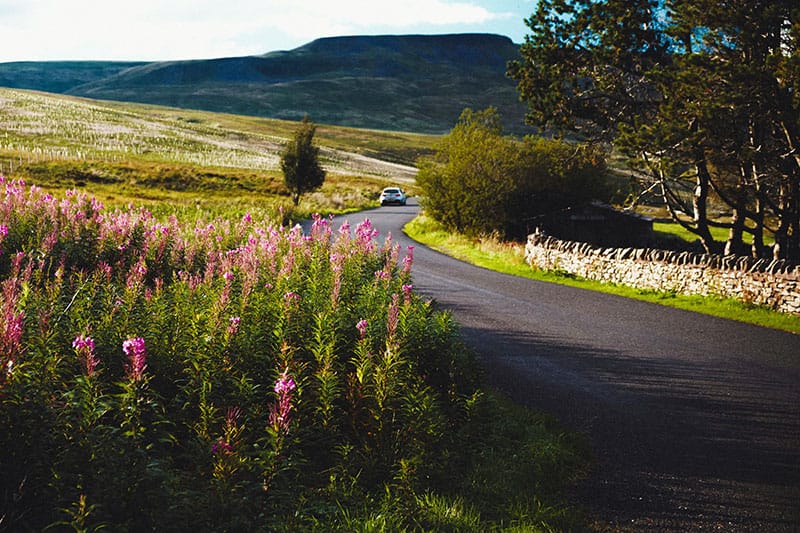
For example, a farm stay along the largely unspoilt Northumberland coastline puts you within a couple of hours’ drive of both the Lake District and Edinburgh. Alternatively, base yourself in Kent, often called the “Garden of England” for its historic orchards and hop gardens, and you’ll have easy access to London and Brighton, or even the option of hopping on a ferry for a day trip to France. The journey itself can become part of the experience: take the scenic route, enjoy the countryside views, and stop along the way for a picnic, to take a photo of free-roaming Highland cows, or to explore an interesting landmark.
Staying on a farm does usually mean relying more on a car, but this can often work out more economical than train travel, particularly for families. You’ll also avoid the cost and inconvenience of parking in busy urban areas, as most farms offer private, off-road parking. While narrow country lanes may take a little getting used to, they typically make up only the final stretch of your journey. Mobile coverage across rural areas is generally good for SatNav use, although signals can occasionally drop, so it’s wise to download maps in advance. For those looking to reduce their environmental impact, the UK’s electric vehicle charging network is expanding rapidly, and many farm stays now offer on-site charging facilities.
It’s also worth noting that some rural communities organise local coach trips to nearby attractions. Checking with your host or the local tourist information centre may reveal opportunities to join these excursions and explore the area without needing to drive. For shorter journeys, rural bus services can also be a reliable and inexpensive option.
Food can be one of the highlights, if not the highlight, of a holiday, offering a sensory connection to local culture and creating lasting memories. In popular tourist areas, however, eating out can be expensive, with many restaurants, which are often chains, geared towards visitors who may not know where else to go. While these places may claim to serve authentic British food, the menus are often limited to a familiar set of clichés such as fish and chips, a ploughman’s lunch, Sunday roasts, or even generic options like pizzas and burgers. When done well, these dishes can be excellent – imagine freshly caught fish in crisp beer batter, flaky and tender, served with fat, golden chips and a sharp, tangy tartare sauce – but British cuisine has far more depth and variety than this narrow selection suggests.
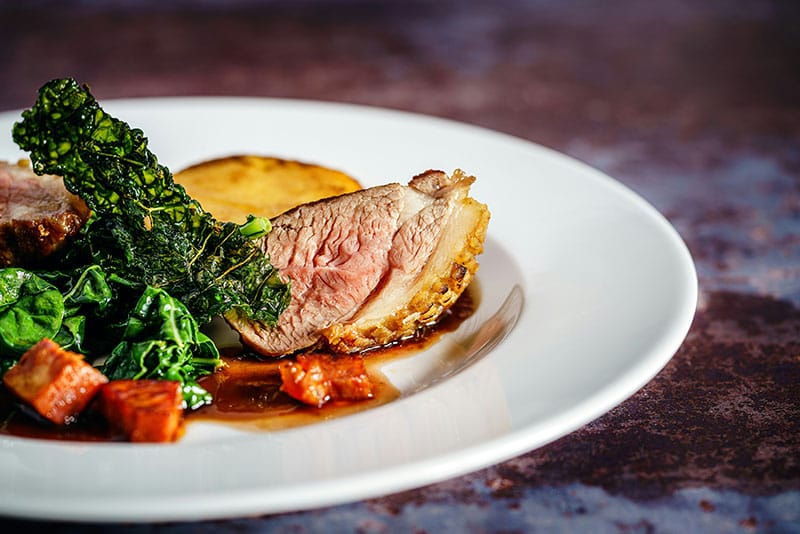
Despite its reputation in some parts of the world (no, we don’t all live on beans on toast), Britain boasts a fantastic range of regional and local specialities. It also truly shines when it comes to seasonal produce, from game in autumn to asparagus in spring and berries in summer, something that tourist-focused restaurants don’t usually reflect.
Staying on a farm places you within easy reach of excellent, lesser-known places to eat like field-to-fork restaurants, cosy tea rooms, historic house dining rooms, or that unassuming village café that’s been serving one of the best full English breakfasts in the area for decades. Asking locals for recommendations is often the best way to uncover these hidden gems, many of which won’t appear on major online listings. Just be aware that some rural establishments may have limited opening hours or require advance booking, so a little planning ahead is advisable.
You may also have the opportunity to see how some of your favourite drinks are produced at source in English vineyards, Somerset cider farms, and Scottish whisky distilleries. Many of these venues have on-site restaurants where you can enjoy thoughtfully prepared meals paired with the drinks produced there.
And then there are the pubs. Alongside well-kept local beers, ales, and ciders, many pubs now serve high-quality food. Known as gastropubs, they combine restaurant-level cooking with the relaxed, sociable atmosphere of a traditional pub. They are particularly well suited to families, as they’re less formal than restaurants, welcoming to children, and frequently dog-friendly too, with water bowls and treats readily available.
If you prefer to eat in, a farm stay offers direct access to fresh, seasonal produce. You may be able to buy ingredients straight from the farm, such as free-range eggs, honey, seasonal fruit and vegetables, or meat, sausages, and bacon reared and produced on the farm.
Alternatively, a visit to a nearby farm shop can be both cost-effective and rewarding. Shopping like a local often proves cheaper than relying on supermarkets or convenience stores, while also giving you the chance to sample homemade and artisan products you might not find elsewhere. Many farm shops also cater well to dietary requirements, offering a good range of vegetarian, vegan, and gluten-free options.
The British Isles don’t exactly have the best reputation when it comes to weather, and for some travellers this alone can be enough to deter them from taking a holiday here.
However, one of the advantages of a British farm stay is that the weather doesn’t need to dictate – or ruin – your experience. Unlike a city break, where plans can revolve around outdoor queues or waiting for transport, or a seaside holiday where a downpour can write off a day on the beach, a farm stay offers far more flexibility.
If it rains, there is still plenty to enjoy. You might take in the landscape over a game of cards from a cosy farmhouse kitchen, settle into a traditional pub beside a roaring fire, explore nearby historic houses or museums, or even brave a dip in a warm, bubbly hot tub.
Alternatively, you can choose to embrace the weather entirely. In the countryside, getting wet, muddy, or windswept feels part of the experience rather than an inconvenience, and is far easier than trying to maintain perfect composure in a city with an umbrella in hand. A woodland walk in the rain can be glorious, with the canopy sheltering you from the worst of it while the scent of petrichor fills the air.
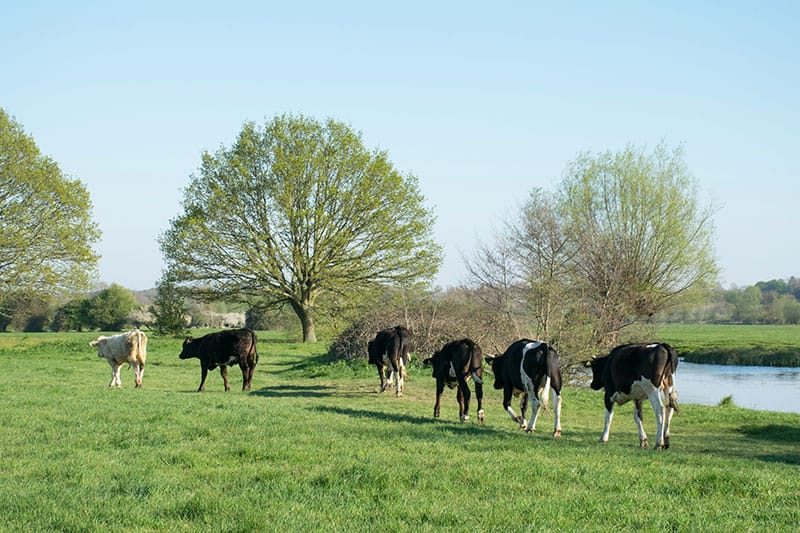
And for winter stays, shorter days, colder temperatures, and even snow do little to slow rural life. Farms continue to operate year-round: cows still need milking, animals still need feeding, and winter crops such as Brussels sprouts and leeks still need harvesting, which means for visitors, there is always something to see and do.
Living with all the British weather decides to throw at you adds authenticity, a closer connection to the seasons, and sometimes a touch of drama that makes the holiday all the more memorable.
If you’re considering a holiday in Britain, then a farm stay could be exactly what you’re looking for with the chance to discover these islands at their very best.