For those who love the great outdoors, a camping holiday has long been a fantastic way to unwind and reconnect with nature. Over time, the experience has evolved, giving rise to three distinct styles: wild camping (which, not so long ago, was simply called camping!), modern campsite camping, and glamping.
Each offers its own unique experience, appealing to different tastes and comfort levels. In this guide, we’ll focus on the differences between glamping and campsite camping. If you’re curious about wild camping, you can read more about it here.
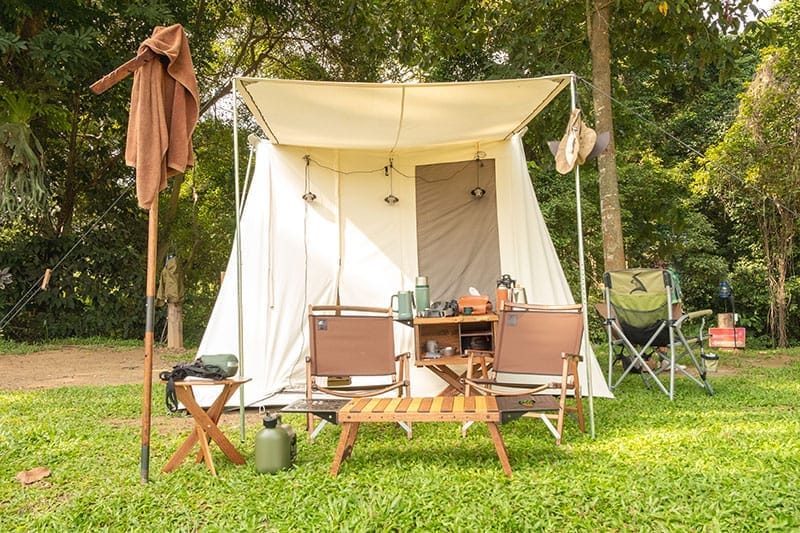
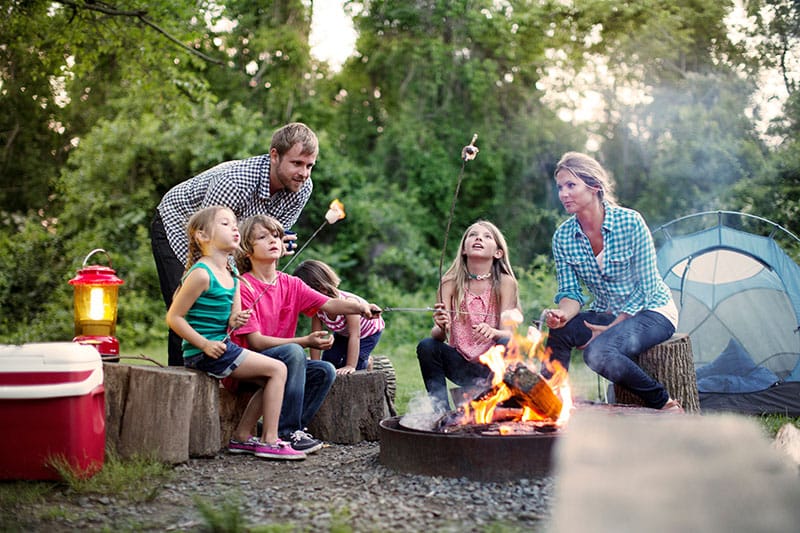
Traditional camping typically means pitching a tent at a designated campsite, using your own gear for cooking, sleeping, and shelter, and spending most of your time outdoors. Although modern campsites may offer facilities such as electrical hook-ups, WiFi, showers, and flushing toilets, camping in this way is a straightforward, no-frills way to enjoy the outdoors and spend time close to nature.
Closer to Nature: Setting up camp, cooking over a fire, and sleeping under the stars offers a genuine outdoor experience and a stronger appreciation for the natural environment.
Budget-Friendly: Campsites are usually cheaper than glamping accommodation. Bringing your own gear and cooking your own meals can keep costs even lower.
Skills Development: Activities like pitching a tent, starting a fire, and navigating the outdoors can be rewarding for those who enjoy hands-on challenges. For families, they also provide an opportunity to teach children valuable skills that help build resilience and self-sufficiency.
Lower Comfort Levels: Sleeping on the ground and dealing with changing weather conditions from chilly nights to rainy days can be uncomfortable for some people.
Basic Facilities: Amenities at campsites can vary widely, and some may lack running water, electricity, or private bathrooms, which can be inconvenient for those accustomed to modern conveniences.
More Preparation Needed: Traditional camping often involves a fair amount of organisation, including packing gear, planning meals, setting up camp, and ensuring you have all the necessary equipment.
Glamping, short for “glamorous camping”, combines the essence of camping with the luxuries of a hotel stay. Accommodation might be a yurt, safari tent, shepherd’s hut, micro lodge, or treehouse, and often includes mod cons like en-suite bathrooms, kitchenettes, comfortable beds, and hot tubs.
Comfort and Convenience: Glamping accommodation is designed for comfort which can make for a more enjoyable experience, especially for those who find traditional camping too basic.
Unique Experiences: Glamping sites are often situated in stunning locations such as lakesides, forests, or mountains, and many offer extras like guided walks and farm tours, on-site activities such as meditation and yoga, or spa facilities.
Less Preparation: As most glamping sites provide a full range of equipment and amenities, you can often arrive with just your personal items, making for a more spontaneous getaway. If you have limited space at home, glamping is ideal as there’s no need to store any gear between trips.
Higher Costs: Glamping can be more expensive than traditional camping due to the added comforts and amenities, which may not be feasible for all budgets.
Less Immersion in Nature: While glamping still allows for outdoor experiences, some purists feel that it takes away from the raw connection to nature that traditional camping offers.
Availability: Glamping sites can be more limited in availability compared to traditional campsites, especially in peak seasons, making it essential to book well in advance.
Choosing between glamping and traditional camping largely depends on your personal preferences, comfort level, and desired experience.
Consider Your Comfort Level: If you prefer a comfortable bed and modern amenities, glamping might be the way to go. Conversely, if you enjoy roughing it and can tolerate less comfort for a more authentic outdoor experience, traditional camping could be the right choice.
Evaluate Your Experience: If you’re an experienced camper who enjoys the challenges of the great outdoors, traditional camping may provide the thrill and adventure you seek. However, if you’re new to camping or looking for a relaxed getaway, glamping can offer a gentler introduction to outdoor living.
Assess Your Budget: Traditional camping is often more cost-effective, making it a great option for budget-conscious travellers. If you’re willing to spend a little more for added comfort and unique experiences, glamping may be worth the investment.
Think About Your Goals: Consider what you hope to achieve during your outdoor experience. If you want to fully immerse yourself in nature and enjoy the simplicity of outdoor living, traditional camping is likely the best fit. If you’re looking for a blend of adventure and relaxation, with opportunities for luxury, glamping could be your ideal choice.
Both glamping and traditional camping offer unique opportunities to connect with nature and escape the hustle and bustle of everyday life. Whether you prefer the simplicity of traditional camping or the comfort of glamping, the aim is to enjoy nature in the way that works best for you.
Glamping on a working farm combines the comfort of well-equipped accommodation with the charm of a rural setting. Guests can enjoy peaceful surroundings, fresh air, and open space, and many farm-based glamping sites also offer fresh produce, local food experiences, or hands-on activities like egg collecting or feeding animals, making it an appealing option for families, couples, and anyone looking for a rural escape.