There are just over 7,000 dairy farms in the UK, and while management styles vary, the one thing they all have in common is routine. The central task – milking – takes place every day of the year, usually twice daily at roughly 12-hour intervals.
Everything else is organised around this, including feeding, breeding, calving, fieldwork, and maintenance.
Read on to discover what a typical year looks like for a British dairy farmer.
Although calves are often associated with spring, most British dairy farms operate year-round calving to maintain a consistent milk supply. After giving birth, cows produce milk for around ten months, followed by a two-month dry period. The rest allows their udders to recover and gives the cow time to regain a healthy body condition before the next calf is born.
An alternative system is block calving, where the entire herd calves within a shorter window, usually two to three months. Some farms adopt a hybrid approach known as split block calving, with half the herd calving in spring and the other half in autumn.
Farmers closely monitor pregnant cows to ensure safe deliveries and good health. In most cases, calves are separated from their mothers within 24 to 48 hours to limit bonding and preserve milk for human consumption. During their first few days, calves are fed pasteurised colostrum to provide essential nutrients and immunity, as newborns have little natural resistance to infection. They are then gradually introduced to milk replacer and small amounts of solid feed such as grass, hay, and straw. By around 10 weeks of age, once the rumen has developed, they can transition to a fully grass-based diet.
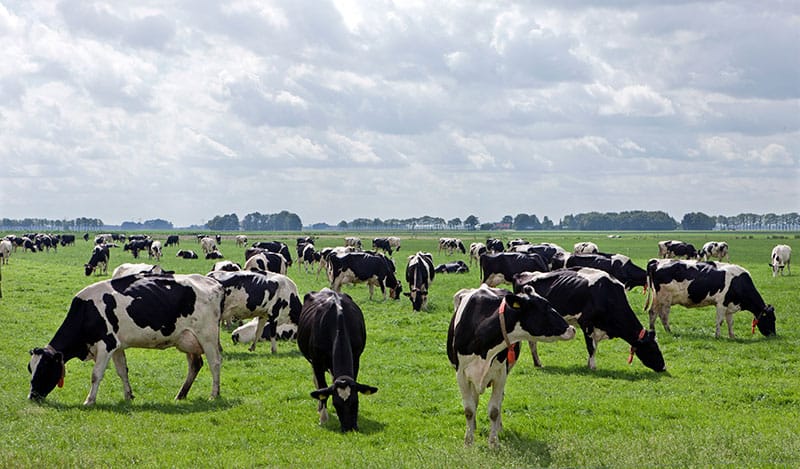
In spring, dairy cows are turned out to pasture to graze. Early turnout is beneficial, as spring grass is at its most nutritious and grazing can encourage further growth. However, wet conditions may delay turnout to avoid poaching, where heavy livestock damage waterlogged soil.
Turnout is usually managed in stages, with priority given to lactating cows that benefit most from nutrient-rich grazing. Careful management is needed during the transition from silage to fresh grass, as the higher sugar content of grass can disrupt digestion if introduced too quickly. To ease the change, cows may be brought in at night or supplemented with silage during the first week or so.
After months indoors, cows respond enthusiastically to being outside, often running and kicking their legs in apparent excitement.
Routine spring maintenance on dairy farms in spring includes setting up electric fencing, checking and cleaning water troughs, securing gates, and preparing housing for the next winter season.
For cows due to calve the following spring, summer is the breeding season. Before breeding begins, a specialist is brought in to assess the herd’s genetics against production goals, selecting for desirable traits such as teat placement, udder support, milk yield, fat and protein content, and disease resistance. Using specialised software and databases, individual cows are matched with suitable bulls to improve these traits while minimising the risk of inbreeding.
Most dairy cows are impregnated using artificial insemination (AI), with many farms now using sexed semen to increase the likelihood of female calves. The semen is collected from bulls and processed in a laboratory to reduce the proportion of Y chromosomes. AI also removes the safety risks associated with handling bulls, which can pose dangers to both humans and livestock.
However, AI depends on accurately detecting when a cow is in heat, with insemination needing to take place within a relatively short window. For this reason, many farms, particularly those operating block calving systems, also use “sweeper bulls” alongside AI to improve overall conception rates.
Early summer is the time when farmers make silage, a fermented feed used during the winter months. Grass is cut in late May or early June, when its nutritional value is at its peak, then chopped and tightly packed into storage systems such as bunkers, silos, or sealed plastic bales. The absence of oxygen allows bacteria to convert plant sugars into lactic acid, lowering the pH and preserving the crop. This process produces a nutritious, palatable feed that retains more protein, energy, and minerals than hay.
Later in the summer, hay is made by cutting and drying grass, which is then stored and used as winter bedding.
By now, most cows are outdoors full-time, apart from milking or periods of very wet weather, and with abundant grass and longer daylight hours, milk production is usually at its highest. Farmers carefully manage diets during this period to maintain both yield and quality. High temperatures can reduce milk output, so providing adequate water, shade, and ventilation in barns is essential.
Effective grassland management in autumn is important for extending the grazing season and ensuring a good supply of grass the following spring. Farmers develop a rotation plan to decide how much land should be grazed each day, based on the current amount of grass available (known as the cover), the planned housing date, and the target closing cover, the amount of grass left on the farm when livestock are brought in for winter.
A common strategy is to have around 60% of the farm closed by early November, with the remaining 40% closed over the following couple of weeks. To achieve optimal closing covers, farmers often supplement the cows’ diets with high-quality baled silage or concentrated feed, known as “cake”, to reduce pressure on grazing land in late autumn.
Autumn is also an ideal time for reseeding grass, as the soil is still warm and retains enough moisture to encourage faster germination than in the drier conditions seen in spring.
As grass quality declines and wetter weather sets in, cows are gradually housed, initially overnight, then full-time by the end of the season. Freshly calved cows are usually housed first, as they have higher nutritional demands, while those in late lactation or producing less milk remain outdoors longer.
Although herd health is managed year-round, autumn is a key period for vaccinations and parasite control. Cooler, wetter conditions can increase the risk of disease, making preventative measures particularly important.
Autumn is also a busy time for harvesting winter feed, including maize, fodder beet, and forage brassicas, such as stubble turnips, forage rape, and kale. Farmers may also take a final grass cut, referred to as the “fourth cut”, in early autumn to top up silage reserves before conditions become too wet.
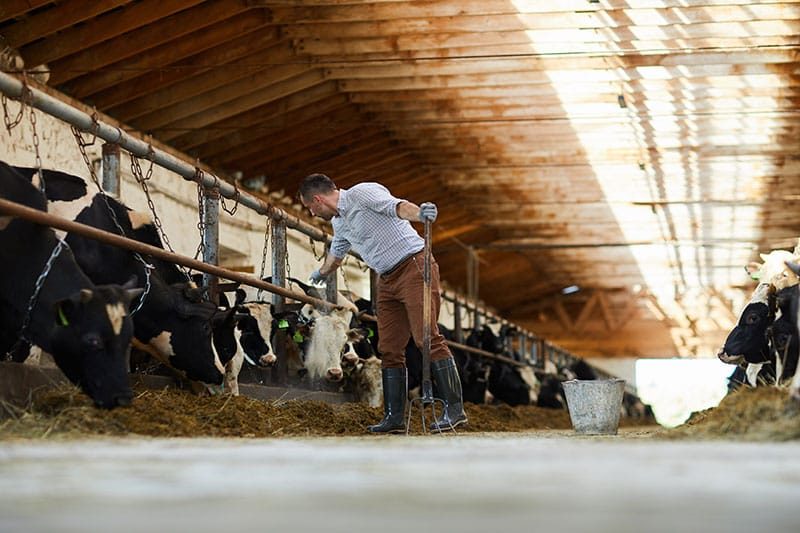
Dairy farming in winter focuses on keeping cows warm, dry, and well fed to maintain both milk production and overall health. Housing should be well ventilated but free from draughts, helping to reduce the risk of respiratory problems while keeping bedding dry. Foot health can also become an issue due to prolonged standing on concrete and wet conditions, so regular foot bathing, hoof trimming, and access to dry walking areas are essential.
High-quality forage forms the basis of the winter diet. Before the season begins, farmers test silage and other conserved forages for dry matter, energy, protein, fibre, and fermentation quality, and the results are used to formulate balanced rations and identify where additional supplementation may be required. A constant supply of clean, fresh water is equally important, so troughs must be easily accessible, regularly topped up, and protected from freezing.
Cows due to calve in spring are dried off during winter to allow time for rest and recovery. The process involves reducing or removing high-energy feeds, such as concentrates, for a short period before milking is stopped completely. Immediately after the final milking, farmers carry out dry cow therapy. The teat ends are cleaned thoroughly, and an internal teat sealant is applied to help prevent bacteria from entering the teat canal.
The days following drying off are a high-risk period for mastitis, so udders are checked closely for signs of infection, such as redness, heat, or swelling. If needed, treatment with antibiotics is administered. Cows that have been dried off are typically marked or otherwise identified so they can be easily distinguished from those still in milk.
In addition to the seasonal cycle, dairy farming relies on a consistent daily routine. Cows are creatures of habit that thrive on consistency and their physiological need to be milked regularly is essential for their health, comfort, and milk production.
While exact timings vary between farms, a typical day might look like this:
5:00 am – Cows are gathered for milking. Many will already be waiting for the farmer, accustomed to the routine.
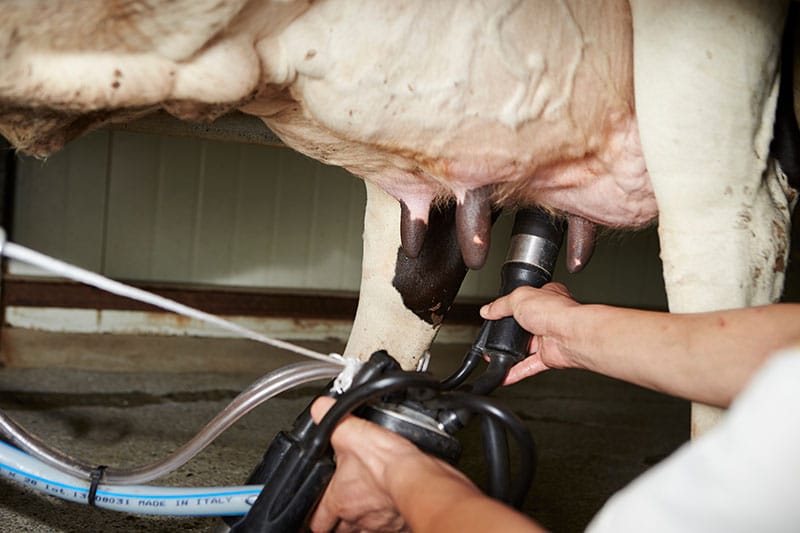
5:30 am – Morning milking begins. Before attaching the milking units, udders are cleaned and checked for any signs of health issues such as mastitis. Modern milking systems can take around 5–10 minutes per cow, while older or manual methods take longer. Milk is cooled immediately after collection and stored in bulk tanks.
6:30 am – The milking parlour and equipment are thoroughly cleaned using hot water and disinfectants to maintain hygiene and prevent disease.
7:30 am – Cows are fed silage, hay, or a mixed ration. Even grazing cows receive supplementary feed to ensure a balanced diet, sometimes including concentrates depending on production needs.
9:00 am – A milk tanker arrives to collect and transport the milk for processing.
9:30 am – Routine health and welfare checks are carried out. Farmers look for signs of illness, lameness, or injury, and monitor pregnant cows. A vet may be called if there are concerns.
10:30 am – In suitable weather, cows are turned out to graze. Dairy cows that have access to pasture should be allowed out for at least four to six hours a day.
Late morning to afternoon – Farm work continues, including tasks such as forage harvesting, fence repairs, manure management, machinery maintenance, and administrative duties like record-keeping and accounts. Calves are also fed and cared for during this time.
4:00 pm – Cows are brought back in for the second milking of the day.
6:00 pm – After milking, cows are fed again, and bedding is refreshed if needed. In summer, they may return to pasture for the night.
8:00 pm – A final check is made to ensure all animals are settled, comfortable, and have access to feed and water.
If you’d like to experience life on a dairy farm firsthand, why not book a holiday on a working dairy farm? You’ll be surrounded by cows grazing in the nearby fields, have the opportunity to watch the milking process, and meet newborn calves, and perhaps have the chance to help feed them.