A farm stay is a type of holiday accommodation located on a working farm. Instead of staying in a hotel or standard holiday cottage, you stay on a farm and experience rural life firsthand.
Accommodation can range from self-catering cottages and converted barns to shepherd’s huts, glamping pods, and farmhouse B&Bs. Some farms offer opportunities to meet animals, watch daily farm activities, or learn more about food production, while others simply provide a peaceful countryside setting.
Farm stays are available on many different kinds of farms across the British Isles.
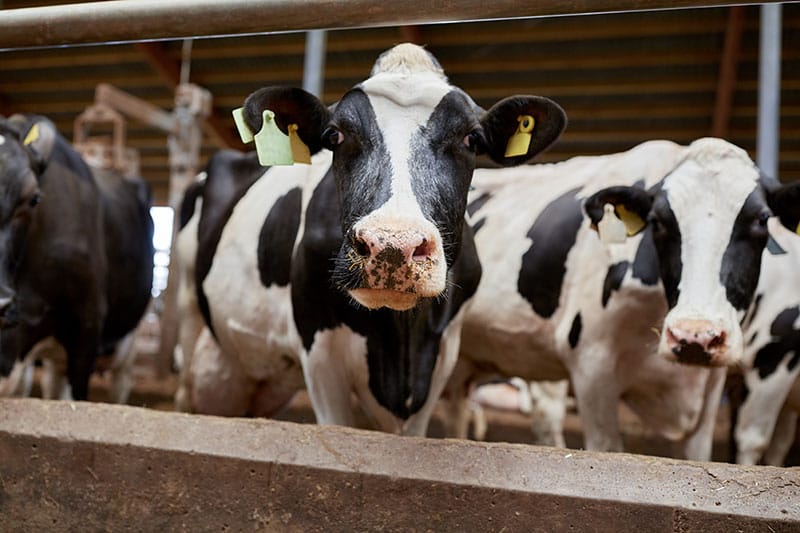
Dairy farms are home to milking cows and are usually located in green, pasture-rich areas. Some welcome guests to observe or learn about milking routines and daily animal care.
Cattle farms rear beef cattle for meat production. They are found in both upland and lowland areas of the UK and vary from intensive to extensive grazing systems. Guests may see herds grazing pasture and learn about day-to-day livestock management depending on the farm.
Common in upland areas such as the Yorkshire Dales, Cumbria, Northumberland, and Wales, sheep farms rear sheep primarily for meat and wool and. Sheep farms are particularly popular during lambing season in spring.
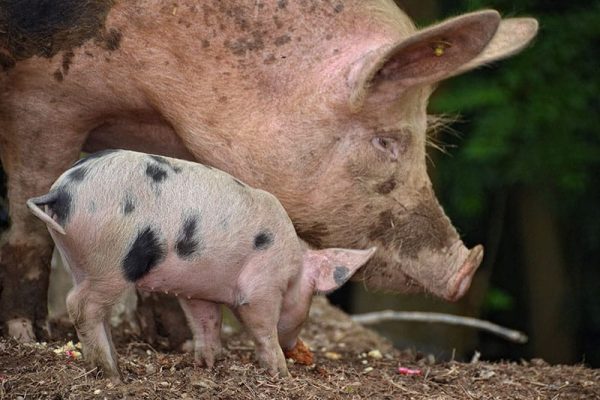
Pig farms focus on the rearing of pigs for pork production, They are usually more enclosed than other livestock systems due to animal husbandry requirements, but some may offer opportunities to learn about pig care, breeding, and welfare standards.
Stud farms focus on breeding, training, and caring for horses. Some specialise in thoroughbreds, while others cater to riding horses, ponies, or competition animals. There may be opportunities to observe handling and foaling depending on the nature of the operation and time of year.
Arable farms focus on growing crops such as wheat, barley, and oilseed rape. They offer wide-open landscapes usually in lowland environments and a quieter farm experience, although there may be additional noise around harvest time.
Fruit farms specialise in growing apples, pears, cherries, plums, berries, and other fruit crops. Depending on the season, guests may be able to explore the orchards, learn about fruit growing, or take part in pick-your-own (PYO) experiences.
Mixed farms combine livestock and crop production, giving guests a broader insight into farming life.
Organic farms follow specific environmental and farming standards and appeal to visitors interested in sustainable food production and wildlife.
Smallholdings are smaller agricultural properties that may combine a mix of livestock, crops, orchards, or kitchen gardens on a modest scale. Many are family-run and offer a more personal, hands-on experience than larger commercial farms.
Specialist farms focus on a single seasonal crop or product rather than broad agricultural output. Examples include Christmas tree farms, lavender farms, daffodil farms, and sunflower farms, with visitor experiences centred around peak seasonal display or harvest.
Petting farms are designed around visitor interaction with animals rather than commercial production. Guests can meet and feed a range of animals from alpacas and llamas to guinea pigs and rabbits in a controlled and accessible environment.
Farm stay accommodation varies considerably, but options include:
Barn conversions – renovated farm buildings with modern facilities and plenty of character like exposed beams and stone walls.
See our collection barn conversions.
Cottages – former farm workers cottages which may be smaller than typical holiday cottages, with low ceilings or narrow, winding staircases
See our collection of farm cottages.
Farmhouses – the main house on the farm, often standalone and spacious making them ideal for extended families and large groups.
See our collection of farmhouses.
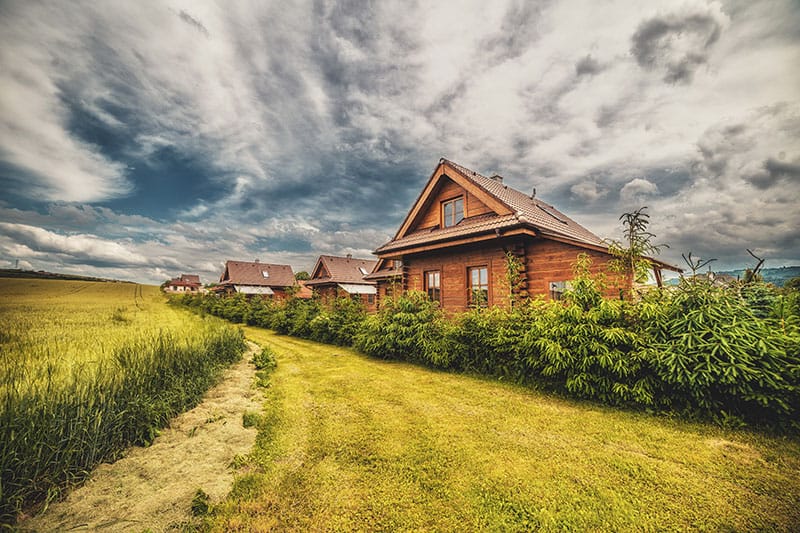
Lodges – purpose built accommodation with modern, open-plan living designed to take advantage of the countryside views.
See our collection of lodges.
Shepherd’s huts – compact, self-contained spaces popular with couples and solo travellers
See our collection of shepherd’s huts.
Glamping pods and tents – a more comfortable alternative to traditional camping.
See our collection of glamping accommodation.
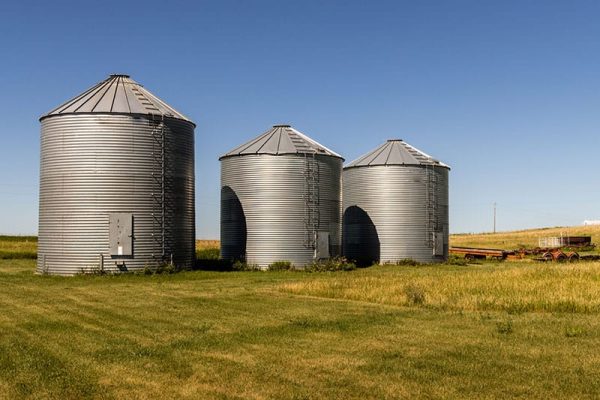
Unique stays – unconventional buildings and structures such as grain silos, horse boxes, treehouses, oast houses, and gypsy caravans.
See our collection of unique farm stays.
Every farm stay is different.
Some farms offer hands-on experiences such as feeding animals, collecting eggs, or helping out during lambing season. Others focus on providing accommodation and countryside access, with little direct involvement in farm activities.
If interacting with the farm is important to you, check the listing before booking.
Farm stays are popular with a wide range of travellers, including:
Families looking for outdoor space and animal experiences.
Couples seeking a quiet countryside break.
Solo travellers who want a more personal alternative to hotels.
Large family groups using multiple cottages or larger properties.
Dog owners looking for walks and open space.
Farm holidays may offer a slower pace of life than traditional tourist destinations.
Days can be spent exploring local footpaths and bridleways, visiting nearby villages and attractions, enjoying the countryside, or relaxing on the farm itself. Depending on the location, guests may also have access to farm shops, fresh produce, and seasonal activities.
Farms are increasingly offering a wider range of facilities including hot tubs, swimming pools, saunas, games rooms, children’s play areas, and on-site spa treatments.
When comparing farm stays, consider:
Think about the wider area as well as the farm itself. Some stays are remote and secluded, while others are close to villages, market towns, coastlines, or national parks. Your choice will shape how much you rely on the farm versus nearby attractions.
Decide whether you want a farmhouse, cottage, barn conversion, lodge, or something more unusual. Each offers a different balance of space, privacy, comfort, and character.
Some farms are interactive, offering animal feeding, tours, or seasonal activities, while others simply provide a rural base with no direct involvement in farm work.
Check for practical features such as enclosed gardens, safe outdoor space, child-friendly layouts, and policies around pets.
Consider access to footpaths, bridleways, and local points of interest such as beaches, nature reserves, pubs, and villages, which can make a big difference to how varied your stay feels beyond the farm itself.
Whether you’re looking for a family holiday, a romantic break, a weekend getaway with a group of friends, or simply a new way to experience rural life, staying on a working farm can provide a unique and memorable alternative to a traditional self-catering holiday.