In a world of constant notifications, an always-on work culture, social fatigue, and the fear of missing out, many people are craving holidays that allow them to truly switch off from the stresses of everyday life. The good news is that you don’t need an expensive mindfulness retreat, a secluded hermitage, or a luxury spa break to relax, recharge, and feel refreshed.
A holiday on a working farm could be the perfect alternative. Surrounded by nature and free from the inconveniences of camping, it offers comfort, affordability, and can do wonders for your physical and mental wellbeing whether you’re travelling as a family, group of friends, couple, or solo traveller, not to mention you can bring your dog along too.
Modern life can take a toll on our health, largely because of a mismatch between our evolutionary biology and the way we now live. The result is a perfect storm of chronic stress, sedentary habits, too much time indoors, poor nutrition, and increasing social isolation.
Spending long hours sitting and staring at screens contributes to poor posture, faster joint wear, and reduced exposure to sunlight, leading to low vitamin D levels. At the same time, the easy availability of processed, high-calorie foods loaded with sugar and unhealthy fats raises the risk of obesity and chronic illness.
While we’re more digitally connected than ever through social media, email, and video calls, these interactions often come at the expense of meaningful, face-to-face contact, which can leave people feeling isolated, lonely, and even depressed. On top of that, blue light from screens and elevated stress levels disrupt natural sleep cycles, contributing to ongoing fatigue.
Children are not immune to these effects. Today, only around one in four children regularly play outside in their neighbourhoods, compared with nearly three-quarters of their grandparents’ generation. With hours spent on screens both at school and at home, and tightly scheduled routines filled with extracurricular activities, many children have little time for unstructured play, an essential part of developing creativity, emotional resilience, and self-regulation.
If that all sounds a bit bleak, there is a simple antidote, and it’s both abundant and free.
Research consistently shows that spending time outdoors can have a powerful impact on both physical and mental health. Just 20 minutes outside, particularly in green spaces, can lower stress hormone levels, giving your mind a chance to reset. This mental break can also boost creativity and problem-solving, which is why a quick walk often helps clear writer’s block. Time in nature has also been linked to reduced anxiety and lower levels of irritability.
Studies suggest that being outdoors can decrease cortisol, muscle tension, heart rate, and blood pressure, potentially lowering the risk of heart disease. It also helps increase vitamin D levels, which are essential for healthy bones, blood cells, and a strong immune system.
Spending time outside naturally encourages more movement too, whether it’s running, cycling, horse-riding, playing sport, or simply strolling. People tend to exercise for longer and at a higher intensity when they’re outdoors, which can support a healthy weight or aid weight loss.
There’s also a positive effect on sleep. Regular exposure to natural light, especially in the early morning, helps regulate your body’s internal clock, improving both the quality and consistency of your sleep.
Staying on a farm gives you easy access to the countryside and nature, with open fields and miles of footpaths and bridleways right on your doorstep. Farms themselves also tend to have plenty of space with large gardens and paddocks, perfect for ball games or flying a kite, and the freedom for children to play and explore.
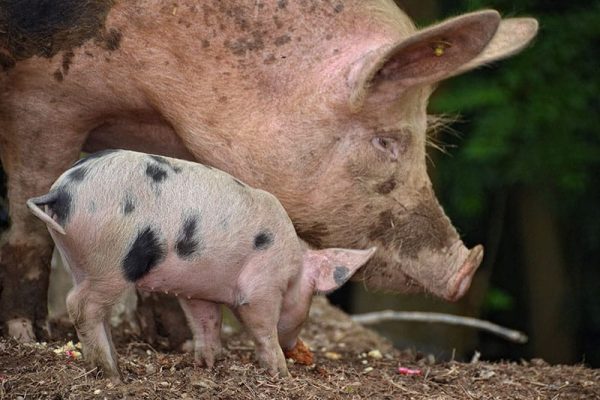
One of the biggest attractions of a stay on a working farm is, of course, the animals. But beyond the novelty, spending time with them can have real benefits for your emotional and mental wellbeing.
Simple interactions, such as petting, stroking, or playing with animals, can lower cortisol levels, reduce blood pressure, and trigger the release of “feel-good” hormones like oxytocin, serotonin, and dopamine, which promote a sense of calmness and bonding.
Moments like the joy of feeding a newborn lamb or watching goats leap about with boundless energy release endorphins, the body’s natural mood boosters, while activities such as the steady, rhythmic motion of grooming a horse, can have a soothing, meditative effect that helps ease anxiety.
For children, caring for animals encourages empathy and a sense of responsibility, and there are educational benefits too. Learning about animals’ habitats and behaviours, or even something as simple as collecting eggs, can spark curiosity and deepen a child’s understanding of the natural world.
Before booking a farm stay, it’s worth checking which animals are on site and whether guests can interact with them. Many farms offer hands-on experiences, such as watching cows being milked or sheepdog demonstrations, while others have petting areas where younger children can meet animals such as rabbits and guinea pigs.
Supermarkets can stock tens of thousands of products. While this offers convenience and affordability, it can also be overwhelming, giving us easy access to less healthy options, produce bred for shelf life rather than flavour, food wrapped in excessive plastic, and leaving us feeling disconnected from where our food actually comes from.
Farm shops, by contrast, may offer less choice, but they more than make up for it in quality. Unlike supermarket produce, which is often picked early to survive long journeys, farm shop fruit and vegetables are typically left to ripen naturally, resulting in better flavour and texture.
Much of the food is grown or produced on-site or by nearby farms. and is often sold on the same day it’s harvested. This means nutrients are better preserved, giving the food greater nutritional value. Meat, too, is usually sourced from high-welfare, often free-range and pasture-fed animals, with full traceability, while butchers use traditional methods, such as dry-ageing, to enhance both quality and taste.

Buying food this way does mean cooking from scratch, which might feel like a chore on holiday when ready meals seem easier. But with the right mindset, cooking can become one of the most enjoyable parts of your break. Preparing a meal for family, friends, or just yourself, is increasingly recognised for its mental health benefits, with some occupational therapists promoting “cooking therapy”.
It’s also a chance to slow down and connect. Gathering in the kitchen at the end of the day, chatting over a drink while food is prepared, encourages meaningful social interaction. Getting children involved not only teaches valuable life skills but also helps them understand where their food comes from. And when you finally sit down to enjoy a hearty farmhouse breakfast or a slow-cooked supper, there’s a real satisfaction in knowing that what you’re eating is both wholesome and nourishing.